Understanding Gut Restoration: The Role of the Microbiome in Digestive Wellness
Your digestive tract is far more than a food-processing tube. It houses an entire ecosystem that shapes your immunity, mood, metabolism, and long-term health. This guide breaks down what gut restoration actually involves, why it matters now more than ever, and how to approach it with precision rather than guesswork.
Key Takeaways
- The human gut microbiome contains trillions of gut bacteria that influence the digestive system, immune system, and gut brain axis, outnumbering human cells by a factor of 10.
- Dysbiosis-imbalanced gut microbiota-underlies many chronic issues, including irritable bowel syndrome, inflammatory bowel disease, low energy, and mood problems.
- A structured gut reset using diet, lifestyle changes, and targeted testing (like gut microbiome testing and HTMA) can start improving symptoms within weeks, though full gut restoration usually takes months.
- The 5R Protocol involves five steps: Remove, Replace, Reinoculate, Repair, Rebalance-providing a proven framework for systematic recovery.
- The Master Survivor University offers total gut restoration programs, microbiome testing, and practitioner-level education blending Ancient Greek healing with modern naturopathic science.
What Is Gut Restoration? (And Why It Matters Right Now)
Gut restoration is a stepwise process of repairing the gut lining, rebalancing intestinal microbiota, and normalizing digestive and immune function. It is not a weekend detox or a one-week cleanse-it is a deliberate, evidence-informed rebuilding effort.
- A "gut reset" is a shorter phase (typically 2–4 weeks) designed to stop harmful exposures, calm gut inflammation, and quiet immune reactivity. Long-term restoration-spanning 3 to 12 months-focuses on rebuilding a resilient, diverse gut ecosystem.
- Since the 1950s, ultra-processed foods, chronic stress, sleep disruption, medications like antibiotics, PPIs, and NSAIDs, and environmental toxins have rapidly altered the human gut microbiome. The result: rising rates of digestive issues, autoimmune conditions, and metabolic disease.
- Structured gut restoration programs emphasize personalized protocols rather than generic cleanses. A comprehensive gut health checkup helps identify the underlying cause of your issues before you begin layering in rebuilding strategies.
- The Master Survivor University's approach combines Ancient Greek healing principles-diet as medicine, terrain theory, seasonal alignment-with modern microbiome science and lab testing to guide each phase of restoration.
Inside the Human Gut Microbiome: Your Inner Ecosystem
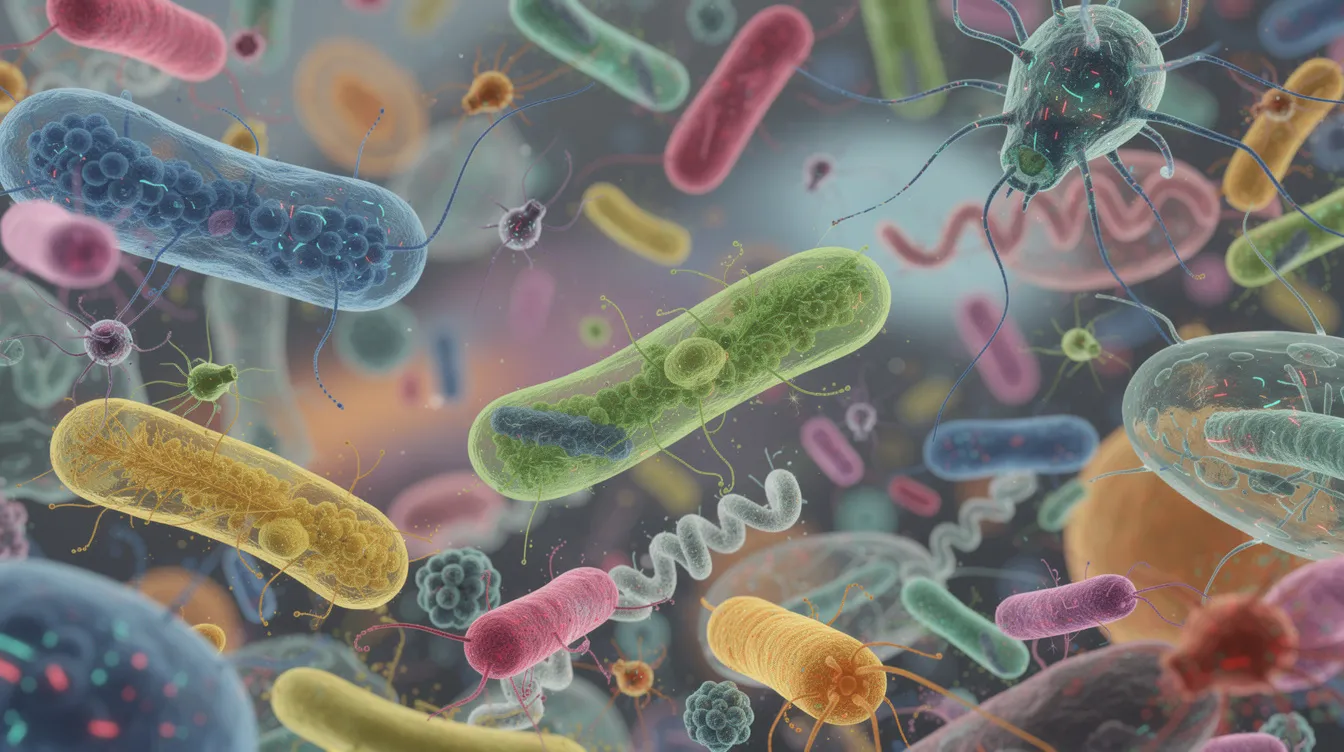
The human gut microbiome is a dense microbial community of trillions of microorganisms-bacteria, archaea, yeasts, and viruses-living mainly in the colon. Understanding this ecosystem is the foundation of any serious gut health strategy.
- The gut microbiome outnumbers human cells by a factor of 10, forming a complex microbial community that encodes far more genes than the human genome.
- In a healthy gut, the dominant bacterial phyla are Firmicutes and Bacteroidetes, with hundreds to thousands of species forming a unique "microbial fingerprint" for each person.
- Gut bacteria produce short chain fatty acids like butyrate, acetate, and propionate from dietary fiber. These molecules nourish colon cells, maintain gut barrier integrity, reduce inflammation, and influence blood sugar and lipid metabolism.
- Gut microbiota produce essential vitamins and amino acids that the body cannot manufacture on its own, and gut bacteria help prevent colonization by harmful bacteria and pathogens.
- Microbial diversity-a broad variety of species-is consistently linked in research to lower risk of obesity, type 2 diabetes, inflammatory bowel disease, and atopic conditions. Recent data even suggests certain microbiome profiles explain roughly 15% of inter-individual differences in biological aging rates.
- The Master Survivor University's gut microbiome testing panels can map an individual's microbial composition-including SCFA producers, potential pathogens, and yeast overgrowth-to personalize restoration protocols.
Common Signs Your Gut Needs Restoration
Many people live with gut-related symptoms for years without connecting them to the health of the bacteria in the gut. Here are concrete patterns to watch for:
- Digestive signs: Persistent bloating may indicate gut imbalance. Also watch for chronic gas, constipation, chronic diarrhea (which can signal an unhealthy gut microbiome), alternating bowel habits, acid reflux, stomach pain, abdominal cramping, and undigested food in stool.
- Systemic signs: Stubborn fatigue, brain fog, frequent colds, joint pain, unexplained skin issues (acne, eczema, rosacea), and nutrient deficiencies in essential nutrients like iron, B12, or magnesium despite an adequate diet.
- Mood and nervous-system signs: Anxiety, low mood, irritability, sleep disturbances, and difficulty handling stress-all linked to the gut brain axis.
- Clinical conditions: Irritable bowel syndrome affects 10% to 20% of healthy adults. Other connected diagnoses include inflammatory bowel disease (including Crohn's disease and ulcerative colitis), small intestinal bacterial overgrowth (SIBO), and metabolic issues with weight regulation.
- At The Master Survivor University, symptom questionnaires are combined with lab data-HTMA, stool microbiome profiles, and sometimes breath tests-to determine the depth of dysbiosis and barrier damage.
The Gut–Brain Axis: How Your Microbiome Talks to Your Mind
The gut brain axis is a bidirectional communication network linking the digestive system and central nervous system via the vagus nerve, hormones, neurotransmitters, and immune messengers. It integrates neural and hormonal signaling, which means your gut and brain are in constant conversation.
- Specific beneficial microbes can produce or modulate neurotransmitters and precursors, including serotonin, GABA, dopamine, and tryptophan metabolites-directly influencing mood, cognition, and mental well being.
- Stress affects gut health and vice versa. Chronic stress can alter gut microbiota composition by changing gut motility, stomach acid levels, mucus production, and gut permeability, which reshapes the microbial community and can trigger gastrointestinal symptoms like diarrhea or constipation.
- Gut microbiota can influence stress reactivity in individuals. A gut microbiome imbalance can worsen depression and anxiety, supporting the role of gut restoration in overall mental wellness.
- Research increasingly shows that changes in the human gut microbiome correlate with anxiety, depression, and even neurodegenerative patterns.
- The Master Survivor University integrates mind-body tools-breathwork, gentle movement, meditation-into its gut restoration protocols to calm the gut brain axis. Their programs draw on research into the gut microbiome and mental health and also use HTMA stress-level analysis to assess how chronic stress is affecting mineral balance and digestion.
From Dysbiosis to Disease: When Gut Imbalances Drive Illness
When the balance of gut microbes tips, the consequences reach far beyond the gastrointestinal tract.
- Dysbiosis is defined as a loss of beneficial species, overgrowth of opportunistic gut microbes, or reduced overall microbial diversity in the intestinal bacteria population-often measurable on stool microbiome tests.
- In irritable bowel syndrome, dysbiosis drives altered fermentation patterns, excess gas production, low-grade gut inflammation, and sensitivity to certain foods and carbohydrates (FODMAPs).
- In inflamm bowel dis (IBD), patients commonly show reduced Firmicutes-particularly butyrate-producing beneficial bacteria like Faecalibacterium prausnitzii-and increased pro-inflammatory bacteria. Gut microbiota imbalance is directly linked to inflammatory bowel disease.
- Dysbiosis can lead to obesity and type 2 diabetes. Systemic links include altered SCFA production, increased gut permeability ("leaky gut"), immune dysregulation, and harmful metabolites like TMAO. Advanced comprehensive stool testing for gut health can clarify these patterns. A 2026 cardiovascular cohort study found that higher microbial diversity was associated with lower blood pressure, lower LDL, and reduced inflammation markers, while harmful microbial metabolites increased cardiovascular risk by 30–45%.
- The Master Survivor University uses targeted dietary strategies, microbiome testing, and naturopathic protocols to address dysbiosis as part of comprehensive chronic disease healing plans-recognizing connections to colorectal cancer, colon cancer risk, and metabolic syndrome.
Step 1: Gut Reset – Calming Inflammation and Removing Irritants
A gut reset is the first active phase of gut restoration: stopping the damage before you start rebuilding. This aligns with the "Remove" and "Replace" steps of the 5R Protocol.
- The goal is to remove common irritants-ultra-processed foods, refined sugar, excessive alcohol, artificial sweeteners, industrial seed oils, and unnecessary NSAIDs-for at least 2–4 weeks. A structured digestive reset for better gut health helps you limit processed foods to give the digestive tract a chance to recover.
- Focus on whole, minimally processed foods: colorful vegetables, low-glycemic fruits, legumes (if tolerated), gluten-free whole grains like quinoa and oats, nuts, seeds, and high-quality proteins. Guidance on foods to eat for gut health can help you include digestive enzymes from whole foods to aid digestion and support digestion naturally.
- Work toward consuming 30 different plant types weekly-vegetables, fruits, herbs, spices, legumes, whole grains, nuts, seeds-to start re-diversifying the diverse gut microbiome. Increasing dietary diversity can improve gut health by providing beneficial fibers.
- Simple gut reset meals: warm vegetable stews with lentils, baked wild salmon with bitter greens, overnight oats with ground flax and berries, and soups made with bone broth and root vegetables.
- The Master Survivor University offers guided gut reset protocols and group programs, including weekly education calls and downloadable meal frameworks rooted in Ancient Greek dietary wisdom and modern research.

Step 2: Rebuild and Diversify the Microbiota with Food
After the initial gut reset calms inflammation, the focus shifts to nourishing good bacteria and rebuilding a healthy gut microbiome. This is the "Reinoculate" phase-restoring beneficial gut bacteria through probiotics and fermented foods.
- Prebiotic fibers are key fuel for good gut bacteria: onions, garlic, leeks, asparagus, Jerusalem artichokes, chicory root, oats, green bananas, and cooked-and-cooled potatoes and rice. High-fiber foods help maintain a diverse gut microbiome.
- Fermented foods introduce beneficial probiotics into the gut. Probiotic rich foods like plain yogurt, kefir, sauerkraut, kimchi, miso, tempeh, and traditionally fermented pickles deliver live cultures that promote gut health. Probiotic-rich foods can improve gut microbiome balance, and improvements can be seen within three weeks.
- Polyphenol-rich certain foods-berries, pomegranate, green tea, extra virgin olive oil, cacao, and colorful spices like turmeric and oregano-offer anti inflammatory properties that support the intestinal microbiota.
- Omega-3 fatty acids from wild fish, chia, and flax reduce gut inflammation and support digestion. Healthy fats from olives and avocado modulate immune responses and help maintain the gut lining. A Mediterranean dietary approach supports microbial diversity beneficial for overall gut health.
- The Master Survivor University provides personalized meal templates and functional nutrition guidance, adjusting fiber and fermentation levels according to each person's microbiome test results and symptom tolerance.

Step 3: Repairing the Gut Barrier and Calming the Immune System
The gut barrier is a single-cell-thick lining held together by tight junctions, protected by mucus and secretory IgA. It separates the internal environment from the external world-and when it breaks down, the health benefits of even the best diet are compromised. The gut microbiome influences immune system development and function at this barrier.
- Key nutrients for barrier healing: glutamine (from protein foods and targeted supplements), zinc (from seafood, pumpkin seeds), vitamin A and carotenoids (carrots, sweet potatoes), and anti-inflammatory herbs like turmeric and ginger. Collagen-rich foods help repair the gut lining and reduce inflammation. Magnesium plays a critical role in motility and mucosal repair.
- Soothing foods and beverages such as bone broth, aloe vera inner fillet juice, slippery elm, and marshmallow root can calm irritated mucosa under professional guidance.
- Sleep (7–9 hours), circadian rhythm alignment, and stress management modulate cortisol and reduce immune overactivation in the gut. These factors directly affect nutrient absorption and bile acids metabolism.
- The Master Survivor University integrates bioenergy healing devices like the BioCoherence Tracker, breath and movement practices, and tailored supplement protocols into total gut restoration plans for enhanced barrier repair, supporting a healthy immune system and reducing gut permeability.
Lab Testing for Gut Restoration: Going Beyond Guesswork
Testing can fast-track results by replacing assumptions with data. Evidence-based nutrition should identify the underlying cause of gut issues, and personalized testing can enhance the effectiveness of gut restoration protocols.
- Stool microbiome testing maps beneficial bacteria and opportunistic species, parasites, yeasts, SCFA levels, digestive markers (elastase, fat in stool), and inflammation markers like calprotectin. It reveals functional capacity-not just which bacterial cells are present, but what they can do-and is especially valuable when you need to restore gut health after antibiotics.
- Hair Tissue Mineral Analysis** (HTMA)** is a non-invasive way to track mineral status, heavy metal burdens, adrenal patterns, and trends that influence digestion, and comparisons of hair mineral analysis vs. blood and urine tests highlight its strengths for long-term patterns. In IBD patients, HTMA-type studies found significantly lower hair concentrations of iron, magnesium, calcium, and selenium compared to healthy controls, with low hair calcium correlating to greater disease activity.
- Additional tests may include food sensitivity panels, organic acids tests (for microbial metabolites and host metabolism markers), or breath tests when SIBO is suspected.
- The Master Survivor University specializes in interpreting these labs through both naturopathic and Ancient Greek terrain-based lenses, then translating findings into step-by-step protocols. Understanding copper and zinc ratios, for instance, can reveal hidden drivers of immune dysfunction.
- Testing is optional but especially valuable for complex, long-standing gut issues or inflammatory bowel disease cases where guesswork wastes time.
Ancient Greek Healing Meets Modern Microbiome Science
Ancient Greek medicine and modern gut science share a surprising common thread: the conviction that digestion sits at the center of human health.
- Hippocrates' dictum "all disease begins in the gut" reflects the Ancient Greek focus on digestion, humoral balance, and seasonal eating patterns. Diet in this tradition encompassed not just food but lifestyle habits, rest, environmental exposures, and moderation.
- These ideas align directly with modern findings about the human gut microbiota, circadian biology, and the importance of varied, plant-rich diets for digestive health and digestive wellness.
- The Master Survivor University builds practitioner training and client programs around this synthesis, deepening the use of Ancient Greek protocols for gut health and teaching protocols that address diet, lifestyle, emotional balance, and bioenergy alongside lab-guided interventions.
- Educational tracks include modules on gut microbiota science, functional nutrition, chronic disease healing, and the gut brain axis, preparing practitioners to guide total gut restoration in real-world practice.
- Both laypeople and aspiring practitioners can enroll in courses to deepen their understanding of overall health and self-healing through the human microbiome.

Lifestyle Foundations for a Healthy Gut: Beyond Food
Food matters, but it is only one pillar. The Rebalance phase emphasizes maintaining lifestyle habits to support gut health long-term.
- Sleep: Aim for consistency (roughly 10–11 p.m. to 6–7 a.m. for many adults). Circadian rhythm alignment supports microbial rhythms, motility, and hormone balance. Regular sleep and physical activity support gut function and digestion.
- Movement: Moderate, regular physical activity-walking, yoga, strength training, or cycling 3–5 times per week-increases microbial diversity and promotes regular bowel movements. Regular physical activity promotes efficient digestion and reduces inflammation.
- Stress management: Breathwork, meditation, time in nature, and journaling calm the gut brain axis, reduce symptom flares, and support a stable, healthy bacteria population.
- Environmental factors: Minimize unnecessary antimicrobial products, avoid smoking and vaping, be cautious with recurrent antibiotic use, and include healthy outdoor microbial exposure through gardening and time in natural spaces. These factors can otherwise negatively affect the anaerobic bacteria essential for digestive wellness.
- The Master Survivor University's protocols include practical lifestyle roadmaps and coaching support to help clients gradually integrate these habits without overwhelm.
How Long Does Gut Restoration Take? Timelines and Expectations
Gut restoration is not instant. Setting realistic expectations keeps you motivated and prevents discouragement.
- Weeks 2–4: Some symptom relief-reduced bloating, more regular stools, steadier energy-can appear within 2–4 weeks of a well-structured gut reset. Improvements in gut health can be seen within three weeks with probiotic foods and dietary changes.
- Months 3–6: Deeper microbiome shifts, immune calming, and durable improvements in conditions like IBS or mild inflammatory bowel disease often require 3–6 months of consistent diet and lifestyle work to restore balance in the balanced microbiome.
- Months 6–12+: Complex, multi-system issues (autoimmunity, long-standing IBD, metabolic disease) may need 6–12 months or more of layered gut restoration, with regular protocol adjustments based on follow-up testing. Improvements in gut health can take several months to achieve.
- Track progress using symptom journals, periodic HTMA or stool retests, and check-ins with a qualified practitioner to stay on course.
- The Master Survivor University offers tiered levels of support-from self-paced educational modules to one-on-one consultations and practitioner-guided total gut restoration programs-to match different needs and timelines.
When to Seek Professional Support or Medical Care
Safety comes first. Knowing when to self-manage and when to escalate is essential for responsible digestive health care.
- Seek immediate medical attention for red-flag symptoms: unexplained weight loss (which may suggest gut dysbiosis or something more serious), persistent blood in stool, black tarry stools, severe abdominal pain (which can indicate serious gut issues), fever with gut symptoms, or vomiting that won't stop.
- Diagnosed conditions like Crohn's disease, ulcerative colitis, and severe inflammatory bowel disease should always be co-managed with a gastroenterologist, with gut restoration protocols integrated as complementary care.
- Work with a qualified holistic or naturopathic practitioner for chronic issues like IBS, bloating, mild reflux, skin problems, fatigue, and mood changes linked to suspected gut dysbiosis.
- The Master Survivor University's team and trained practitioners can collaborate with conventional providers, using lab-informed, non-pharmaceutical strategies to support a healthy gut and whole-person wellness.
- No article replaces individualized medical advice. Use this information as a framework to discuss options with your health team.
Frequently Asked Questions About Practical Questions About Gut Restoration
How do I know if I need a full gut restoration or just a short gut reset?
Short-lived, recent symptoms-a few weeks of mild bloating or irregularity after a stressful period-may respond to a 2–4 week gut reset focused on diet cleanup and stress reduction. Long-standing issues (months to years of IBS-like bowel habits, skin problems, fatigue, or recurrent infections) usually indicate deeper dysbiosis and barrier damage, benefiting from a structured 3–6 month gut restoration plan. The Master Survivor University uses intake questionnaires and, when needed, microbiome and HTMA testing to help determine the appropriate depth of intervention.
Can I restore my gut health without taking probiotic supplements?
Many people can make significant progress using diet and lifestyle alone. Consuming fermented foods introduces beneficial probiotics to the gut, and prebiotic fibers plus lifestyle optimization (sleep, stress, movement) can substantially improve the gut microbiota for many individuals. Targeted probiotic formulas may be useful in specific situations-post-antibiotics, after infections, or with documented low levels of beneficial genera on stool tests. Probiotics should be chosen based on the specific strain and gut condition being treated. The Master Survivor University typically prioritizes food-based approaches first and adds probiotics strategically based on individual response and lab data.
Is gut restoration safe during pregnancy or breastfeeding?
Gentle measures-whole-food eating, increased vegetables and fiber, probiotic foods in moderate amounts, adequate hydration, and stress reduction-are usually safe during pregnancy and breastfeeding, pending provider approval. Aggressive detoxes, extreme fasting, or heavy-supplement protocols should be avoided in these life stages without individualized guidance from a qualified clinician. The Master Survivor University can help design pregnancy- and breastfeeding-aware nutritional frameworks but always encourages collaboration with the person's obstetric or pediatric provider.
Can gut restoration help with non-digestive symptoms like skin issues or joint pain?
Because the immune system and inflammatory pathways are heavily regulated at the gut level, improvements in gut health often correlate with better skin clarity, less joint stiffness, and steadier energy. Some clients report calmer eczema, reduced acne flares, and milder joint pain after several months on microbiome-supportive protocols. However, gut restoration is not a cure-all-persistent or severe skin and joint issues should still be evaluated by appropriate specialists, with gut work used as a supportive strategy.
Do I need to become a practitioner to learn these methods in depth?
Deep learning is available for both general readers and professionals. The Master Survivor University offers non-certification courses for individuals who simply want to understand their own digestive health and implement practical protocols at home. Practitioner certification tracks go further, covering HTMA interpretation, gut microbiome testing, Ancient Greek healing frameworks, and clinical protocol design for working with clients. If you feel called to guide others, explore practitioner-level training-but self-healing resources are equally available.
Begin Your Gut Restoration Journey with The Master Survivor University
Your gut didn't lose its balance overnight, and restoring it takes patience, the right tools, and consistent daily habits. The good news: with a clear plan, meaningful change is within reach.
- If you are experiencing ongoing digestive, immune, or mood challenges, explore The Master Survivor University's total gut restoration programs, which combine microbiome testing, HTMA, functional nutrition, and bioenergy healing devices.
- Book an initial online consultation to review your symptoms and health history and determine whether stool microbiome testing, HTMA, or both would be most informative.
- Explore self-paced educational courses on gut health, the gut brain axis, and Ancient Greek healing principles if you prefer to start with learning and self-guided change, or tune into the Revolution Radio Show from Master Survivor University for ongoing education.
- Health professionals and aspiring practitioners can access practitioner training tracks to integrate evidence-informed gut restoration and naturopathic protocols into their work.
- The right combination of science, ancient wisdom, and personalized daily habits can transform your digestive wellness and long-term vitality. Start where you are-your gut is ready.

Dr. Michael Rudulph Maxon, AKA Johnny Delirious, Laboratory Naturopathic Doctor, gives expert advice rooted in holistic healing principles, drawing on 40 years of professional experience in the health industry. He helps his patients recover and heal using food and Ancient Greek therapies, utilizing organic remedies that are all backed by modern laboratory science. He is unquestionably the only TRUE Addiction & Hepatitis A, B, and C Recovery Pioneer. Free of mood-altering substances (cocaine) since 1991, with no viral load or antibodies of hepatitis since 1994, and no cirrhosis since 1995. Nobody in his life—including doctors, friends, and family—thought he would live past 1992; they all said he was going to die. But, Johnny chose life, not death, and learned how to heal his body, mind, and spirit by developing new protocols with natural therapies, including the thoughtful application of homeopathic remedies where appropriate. For over 20 years, he has helped many others recover, including professionals like doctors, dentists, and lawyers, who prefer alternative medicine over chemical drugs or surgery to address the same conditions that everyone said were hopeless.
Contact Johnny for a Hair Tissue Mineral Analysis (HTMA) to get the right diet, supplements, and expert advice, benefiting from his 30 years of experience in these specialized protocols.
United States - 972-825-7912
http://www.johnnydelirious.com