Peptide Supplements & Peptide Therapy for Longevity
Unlock Your Longevity: Peptide Supplements & Peptide Therapy for Vital Living
Are you interested in extending your healthspan, preserving function as you age, and optimizing your body’s natural regenerative processes? This comprehensive guide covers both peptide supplements and peptide therapy, providing science-backed insights for individuals focused on longevity and healthy aging. As emerging research in peptide science continues to reveal practical health benefits, understanding how peptides work—and how to use them safely—has become increasingly relevant for anyone seeking to maintain vitality, resilience, and quality of life throughout the aging process.

Peptide supplements are a core topic here, alongside clinical peptide therapy, so you’ll find clear answers whether you’re curious about over-the-counter products, prescription protocols, or the science behind both. This topic is important because peptides represent a rapidly evolving area of health optimization, with new discoveries offering hope for improved recovery, tissue health, metabolic balance, and more—all highly relevant to the challenges and opportunities of aging. In fact, peptide supplements are being explored for supporting basically anything related to organs, tissues, and bodily functions, far beyond just cosmetic improvements.
There are over 7,000 known types of peptides in the human body, each serving various functions such as regulating hormones, optimizing organ function, and supporting skin health. Peptide supplements are considered dietary supplements, and statements about their benefits have not been evaluated by the FDA. Peptides are also found naturally in many foods, making dietary sources an important way to support peptide levels in the body.
What Is Peptide Therapy and Why It Matters for Longevity
Peptide therapy uses specific short strings of amino acids to communicate with cells and direct targeted biological processes. These biological messengers can fine-tune the body’s natural repair, metabolic, and regenerative functions. Peptides are naturally found in protein-rich foods and are also produced within the human body to perform various biological functions. A core focus is leveraging the power of peptide hormones and understanding the mechanisms of peptide healing to achieve better healthspan. The numerous peptide benefits and the growing interest in over-the-counter peptide supplements make this field increasingly relevant for maintaining health, preventing age-related decline, and extending healthspan. Synthetic peptides, which are lab-made molecules designed to mimic natural peptides, are widely used in medical and cosmetic applications such as anti-aging treatments, muscle development, and hormone regulation. Peptides are also used to create drugs for various medical conditions, with several peptide-based drugs being FDA approved for therapeutic use, distinguishing them from unregulated supplements and cosmetic products.
With a clear understanding of what peptide therapy is and why it matters, let’s dive into the science behind peptides and how they function in the body.
The Science Behind Peptides
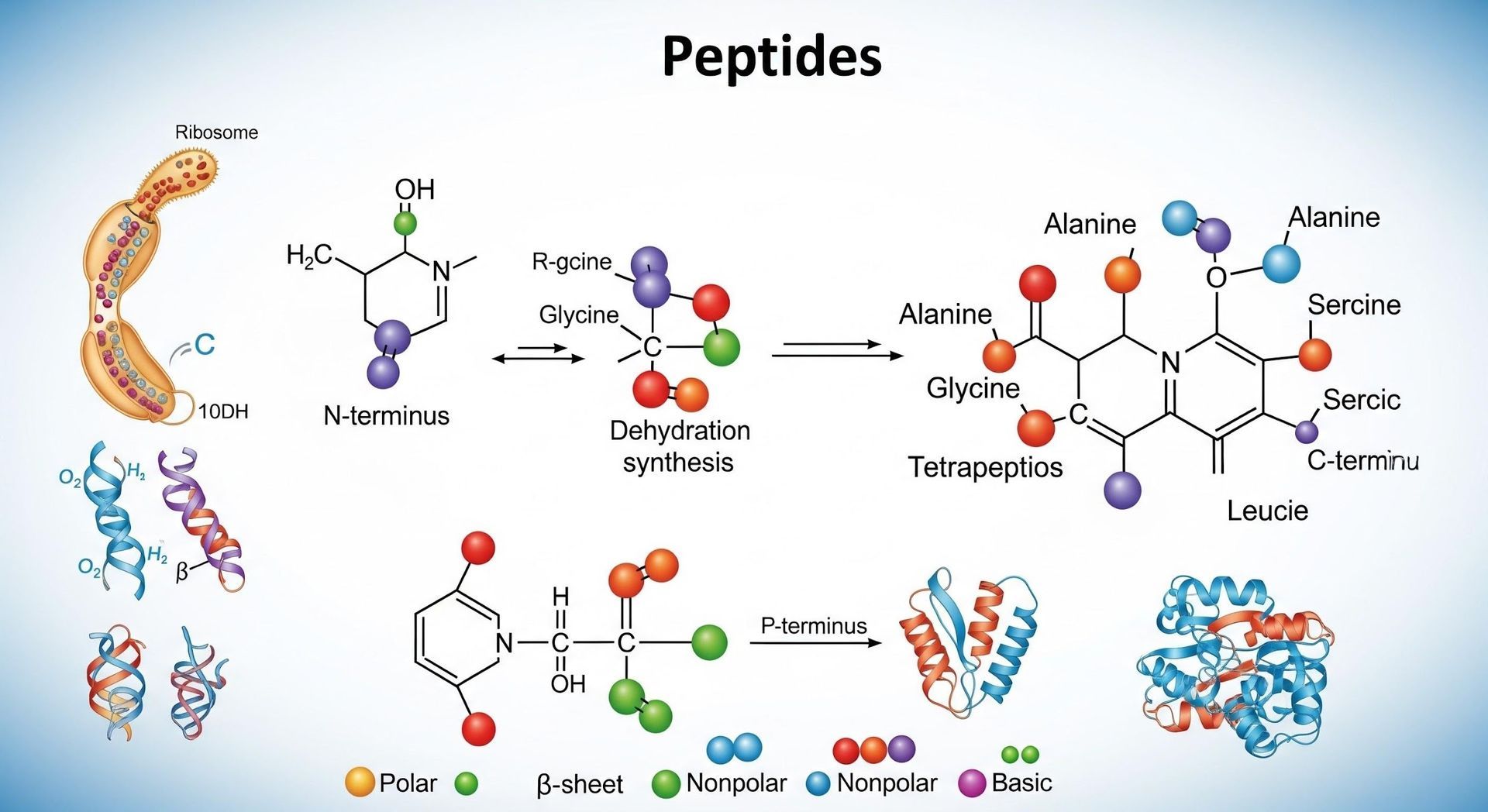
Peptides are short chains made up of molecules called amino acids, which are the building blocks of both peptides and proteins. While proteins typically contain more than 50 amino acids, peptides are smaller molecules consisting of roughly 2–50 amino acids. Because of their compact structure, peptides can interact selectively with receptors and signaling pathways, allowing them to influence specific cellular processes with precision.
Peptides are classified based on their length, with chains of about 2-10 amino acids referred to as dipeptides, chains of 10-20 amino acids called oligopeptides, and those longer than 20 amino acids known as polypeptides.
Peptide bonds form when the carboxyl group of one amino acid reacts with the amino group of another, creating a covalent link. This basic chemistry underlies how peptides function as signaling molecules in the body, transmitting instructions that affect tissue repair, inflammation, metabolism, and more.
With this scientific foundation, let's explore the key benefits peptides offer for longevity and healthy aging.
Key Benefits of Peptides for Longevity & Healthy Aging
Peptides offer a range of benefits that support long-term health, preserve function with age, and improve quality of life. Peptide supplements are commonly available in supplement form such as pills, powders, and protein shakes, but their effectiveness can vary as many peptides break down into amino acids during digestion. Peptide supplements may not be regulated by the FDA, and manufacturers claim various benefits such as muscle building, weight loss, or improved skin health, but these claims are not always independently verified. Understanding the potential risks and benefits of taking peptide supplements clarifies why peptides and peptide therapy are gaining traction as tools for healthspan optimization and age‑related care.
Accelerated Recovery & Tissue Repair
Certain peptides support wound healing and tissue regeneration, helping the body recover more efficiently from injury or surgery. For longevity, faster repair helps older adults maintain mobility and independence; research suggests peptides like BPC-157 and TB‑500 may enhance repair processes in tendons, muscles, and connective tissues (see research section for citations).
Muscle Preservation & Performance
Peptides can support lean muscle maintenance and muscle growth, which are critical for preventing sarcopenia and preserving physical function as people age. Growth hormone–related peptides and other anabolic peptide protocols may help sustain muscle mass and strength when combined with resistance training and proper nutrition. However, certain synthetic peptides, known as growth hormone secretagogues (GHS), are thought to help build muscle but may be illegal and unsafe due to potential side effects such as reduced insulin sensitivity and increased blood sugar levels.
Cognitive Support
Some peptides influence neuroprotection, memory, and focus. Certain peptides may help reduce inflammation in the brain, which is important for cognitive function and may help protect against neurodegenerative diseases. Peptides such as Semax and related nootropic peptides have been studied for cognitive enhancement and stress resilience—potentially useful for preserving mental acuity across the lifespan.

Immune Function & Resilience
Certain peptides may modulate immune system function, improving the body’s ability to respond to infections and immune stressors—important for aging populations where immune function often declines. Thymosin Alpha‑1 is one example studied for immune support in stressed or immunocompromised individuals.
Better Sleep & Recovery Cycles
Optimizing sleep is a cornerstone of healthy aging. Some peptide interventions have been associated with improved sleep quality and restorative processes, which in turn support tissue repair, metabolic regulation, and cognitive recovery.
Metabolic Health & Weight Management
Peptides can also influence metabolic processes—affecting insulin sensitivity, fat metabolism, and body composition. Peptide supplements can positively influence metabolism and appetite, making them relevant for weight loss. When combined with a balanced diet, peptide supplements offer a natural way to support healthy weight management and overall wellness. These effects may support weight management and reduce risk factors associated with diabetes and metabolic syndrome when integrated into comprehensive treatment plans.
“Peptide-based approaches can be powerful adjuncts to lifestyle, exercise, and medical care when the goal is sustained function and vitality with age. Targeted peptide protocols that support collagen, muscle growth, immune function, and sleep may help people preserve healthspan and wellbeing.”
- Dr. Johnny

With these benefits in mind, let’s look at which peptides are most essential for longevity and healthy aging, including
regenerative peptides such as Vilon and Epithalon.
Essential Peptides for Longevity & Healthy Aging
The
Master Survivor Program has identified several peptides with evidence-backed effects that may support tissue integrity, metabolic health, immune resilience, and cognitive function as people age. Below is a concise reference to commonly discussed peptides, their primary reported effects, and practical aging-focused applications. Always consult a clinician for personalized guidance and monitoring.
| Peptide | Primary Benefits | Longevity / Aging Application |
|---|---|---|
| BPC-157 | Reported support for tissue repair, tendon and muscle healing, and gut integrity | May support faster recovery from musculoskeletal injuries and promote gut health, helping preserve mobility and nutritional function in older adults |
| TB-500 | Promotes tissue repair, reduces inflammation, and may support connective tissue flexibility | May help maintain flexibility and aid recovery of soft tissues, contributing to long-term mobility and reduced injury downtime |
| Thymosin Alpha-1 | Immune modulation, enhanced cellular immune responses | May support immune resilience in aging populations, potentially improving the immune system’s ability to respond to infections and immune challenges |
| GHK-Cu | Stimulates collagen production, supports skin repair, anti-inflammatory effects | Used for skin regeneration and collagen support to address age-related skin changes and wound healing |
| Semax | Cognitive support, neuroprotection, stress resilience | May support cognitive function, attention, and recovery from cognitive stressors—potentially useful for preserving mental acuity with age |
Access Quality Peptides and Clinical Guidance
For clinicians and patients exploring peptide-based approaches to healthy aging, prioritize pharmaceutical-grade products and clinical oversight. The Master Survivor Program highlights trusted suppliers and emphasizes third-party testing, COAs, and professional monitoring.
Now that you know which peptides are most relevant, let’s review the scientific evidence supporting their use for longevity.
The Science Supporting Peptides & Peptide Therapy for Longevity
Peptide therapy is grounded in a growing body of basic and clinical research that explores how targeted peptide molecules influence repair, inflammation, metabolism, and cellular signaling, similar to how mesenchymal stem cell therapies aim to modulate regeneration and immune balance. Notably, collagen peptide supplements have been shown to improve bone mineral density and may also support muscle repair, making them beneficial for individuals looking to enhance muscle growth and overall physical performance. Reviewing this evidence clarifies which peptides have stronger support for aging-related uses and where more research is needed.
Research-Backed Findings
Selected studies illustrate how peptides can affect processes relevant to healthy aging:
- A 2021 study in the Journal of Biological Chemistry reported that BPC‑157 improved tendon-to-bone healing in preclinical models; these animal results suggest potential mechanisms for enhanced tissue repair, though translation to humans requires further clinical trials.
- Work published in the International Journal of Molecular Sciences and related journals has shown that GHK‑Cu can stimulate collagen production and reduce inflammatory markers in wound models, indicating possible benefits for skin aging and regenerative treatments.
- Clinical research on Thymosin Alpha‑1 has demonstrated immune‑modulating effects in certain populations, with trials indicating improved immune responses in specific conditions; this peptide is being investigated for its potential to support immune resilience in older adults and to address several biological hallmarks of aging.
Limitations and context: many peptide studies are preclinical (animal or in vitro) or small human trials. Evidence quality varies by peptide and indication—some peptides have promising mechanistic data but limited large-scale randomized controlled trials in aging populations. Always interpret findings with appropriate caution and look for human clinical trials, systematic reviews, or meta-analyses when evaluating a peptide’s use for longevity.
Important: The peptides discussed have varying levels of evidence for safety and effectiveness. Clinical oversight, third-party product testing (COAs), and careful monitoring are essential when considering peptide-based treatments for healthspan or age‑related conditions.
With the research context established, let’s discuss how to implement peptide therapy for longevity in a safe and effective way.
Implementing Peptide Therapy for Longevity
Integrating peptides into a longevity plan requires clinical oversight, evidence-based protocols, and attention to product quality and handling, echoing broader principles of holistic recovery and natural therapies. Taking supplements is one way people use peptides to support health, but clinical oversight is important to ensure safety and efficacy. Thoughtful implementation helps ensure peptides are used safely to support regenerative processes, metabolic health, and functional maintenance over time.
Key Implementation Considerations
How should peptides be stored for long‑term use?
Storage depends on formulation: lyophilized (powder) peptides are generally more stable and often refrigerated until reconstitution; reconstituted solutions commonly require cold storage and have limited shelf life. Some peptides tolerate short periods at room temperature when protected from light, but stability is peptide‑specific. Always follow manufacturer guidance, review third‑party stability data (COAs), and ensure the cold chain during shipping and storage when preserving peptide viability for long‑term wellness use.
What administration methods are used and which are appropriate?
Most clinical peptide treatments are administered by subcutaneous injection, though some peptides have intramuscular, nasal, topical, or oral formulations depending on their chemistry and intended effect. Peptide injections deliver peptides directly into the bloodstream, bypassing the digestive system for higher absorption, and are commonly used for therapeutic and aesthetic purposes. Injection routes (subcutaneous vs. intramuscular) differ in absorption rate and dosing considerations. Alternative routes may be useful for specific peptides with validated delivery methods. Because administration affects efficacy and safety, work with a qualified clinician to determine the appropriate route and dosing for longevity goals.
How do I ensure peptide quality and safe sourcing?
Prioritize pharmaceutical‑grade suppliers that provide certificates of analysis (COAs) and third‑party testing. Distinguish research‑grade or “peptide” products from medicinal‑grade preparations intended for clinical use. Verify supplier reputation, production standards, and batch testing for purity and identity. Clinician supervision is crucial to select appropriate peptides, confirm indications (e.g., metabolic support, collagen stimulation, immune modulation), and monitor labs and clinical effects over time.
Consult a Clinician Experienced in Peptide Therapy
If you are considering peptide treatments for healthspan, consult Dr. Johnny who specializes in aging medicine or peptide protocols. It is especially important to consult a healthcare professional before starting peptide supplements if you have a medical condition, health condition, or are taking other medications. Clinical evaluation, baseline bloodwork, and ongoing monitoring reduce risk and increase the likelihood of beneficial outcomes.
With implementation strategies in mind, let’s look at real-world examples and success stories.
Real-World Applications and Success Stories
Practical examples help illustrate how targeted peptide protocols can support recovery, cognition, and functional resilience across the lifespan. Notably, peptide supplements may improve skin elasticity, reduce wrinkles, and increase bone mineral density in postmenopausal women. In addition to oral collagen supplements for joint, skin, hair, and nail health, peptide therapy and collagen injections are also used to reduce joint pain and manage inflammation, especially for conditions like arthritis and Lyme Disease. BPC-157 may provide pain relief for gut health by alleviating discomfort and supporting digestive system healing, especially when combined with broader colonic flora and gut health strategies. The case summaries below are presented as illustrative, anecdotal, or study-based examples—individual results vary and clinical context matters.
Post‑Operative and Injury Recovery
In clinical and practitioner reports, patients receiving peptide‑guided protocols—often including peptides such as BPC‑157—have demonstrated faster soft‑tissue recovery and improved wound healing compared with typical timelines. Collagen supplements, especially collagen peptides powder, are also commonly used during recovery to support joint, skin, hair, and nail health. Faster repair can help older adults recover mobility after surgery or falls and support sustained independence. Note: many reports are preliminary or small-scale and should be interpreted alongside clinical studies.
Maintaining Cognitive Function Under Stress
Research and pilot studies on cognitive peptides like Semax suggest potential benefits for attention, stress resilience, and short‑term cognitive recovery. Such effects may translate into better performance for shift workers, caregivers, or older adults facing sleep disruption—supporting mental clarity and decision‑making when cognitive demands are high.
"Using peptide protocols under medical guidance helped me recover more quickly after a surgical procedure and get back to daily activities with confidence. Individual results will vary, but careful clinical oversight made the difference for me."
- Michael R., program participant (anecdotal)
With these real-world insights, let’s see how peptide therapy fits into broader longevity programs.
How Peptide Therapy Integrates with Longevity Programs
Peptide therapy can be an integral part of clinical and educational longevity programs that aim to preserve function, improve metabolic health, and support regenerative processes as people age. When incorporated responsibly, peptides complement lifestyle, nutrition, exercise, and medical management to create a comprehensive approach to healthspan optimization.
Clinical & Educational Foundations
Quality programs include instruction on peptide science, selection criteria, evidence levels, and safety protocols, and advanced options such as a dedicated doctoral program in integrative health. Clinician training emphasizes choosing peptides with the strongest research support for aging-related indications and understanding monitoring requirements for long‑term use.
Practical Application
Hands-on modules and supervised clinical practice teach appropriate administration techniques (e.g., subcutaneous injections), dosing strategies, and follow‑up assessments to evaluate therapeutic effects on muscle, skin, metabolism, and immune function.
Integration with Other Interventions
Peptide therapy is most effective when combined with proven interventions—resistance training to preserve muscle, nutrition for metabolic health, sleep optimization, and management of chronic conditions—creating a synergistic plan for long-term wellness.
Advance Clinical Skills in Peptide Therapy for Longevity
Join clinician-focused training to learn evidence-based peptide protocols, patient selection, and monitoring strategies for healthy aging. Programs emphasize product quality, third‑party testing, and ethical prescribing practices.
Already a member?
With a holistic view of peptide therapy’s role in longevity programs, let’s outline practical steps for getting started.
Getting Started with Peptides & Peptide Therapy for Longevity
Interested in using peptides to support long-term health and preserve function as you age? Follow these practical first steps to begin integrating peptide therapy into a thoughtful, medically supervised longevity plan.
- Consult a qualified healthcare provider: Always start by discussing peptide supplements with a knowledgeable practitioner who can assess your needs, review your health history, and recommend appropriate protocols.
- Get baseline testing: Consider laboratory tests to evaluate your current nutrient status, hormone levels, and metabolic health. This helps tailor peptide use to your unique biochemistry.
- Source high-quality products: Choose reputable brands that provide third-party testing and transparent ingredient sourcing. High-quality collagen supplements often use grass fed sources and may include added ingredients like vitamin C and hyaluronic acid for enhanced benefits. Vital Proteins is a reputable brand known for its collagen products.
- Start low and go slow: Begin with the lowest effective dose and monitor your response. Adjust as needed under professional guidance.
- Track your progress: Keep a journal of symptoms, energy, sleep, and other health markers to assess the impact of peptide supplementation over time.
Peptides are also found naturally in foods such as meat, fish, shellfish, and beans. Including these foods in a balanced diet can help support peptide levels in the body and work synergistically with Total Gut Restoration programs that focus on microbiome repair.
1. Education First
- Learn the fundamentals of peptides and peptide therapy, focusing on evidence for aging-related uses such as tissue repair, collagen support, metabolic health, and immune resilience.
2. Consult with a Qualified Clinician
- Work with healthcare providers experienced in longevity medicine or peptide protocols to evaluate indications, risks, and individualized treatment plans.
3. Source High‑Quality Products
- Use pharmaceutical‑grade peptides from reputable suppliers that provide certificates of analysis (COAs) and third‑party testing; avoid uncertified research‑grade products for clinical use.
4. Start with Foundational Peptides
- Consider peptides with stronger evidence for regenerative or metabolic effects (for example, those supporting skin/collagen or tissue repair) as part of a staged approach under medical oversight.
5. Plan for Monitoring and Storage
- Establish baseline labs and regular follow‑up to track effects and safety. Create proper storage solutions based on product guidance (lyophilized vs. reconstituted stability) to maintain peptide viability.
Important Safety Note: Peptide therapy should be used under clinical supervision. Obtain baseline bloodwork, review medical history, follow legal and regulatory guidance, and monitor outcomes and adverse effects. Individual responses and appropriate dosing vary—consult a clinician before use.
Consult with
Dr. Johnny to help get you started.

With these steps, you’re ready to explore the potential of peptides for your longevity journey. Next, let’s summarize the key takeaways and answer common questions.
Elevate Your Longevity & Healthspan with Peptides & Peptide Therapy
Peptides and peptide therapy are increasingly recognized as promising components of comprehensive strategies to preserve function, improve tissue health, and support metabolic and cognitive resilience with age. In addition to supporting muscle mass and metabolic balance, peptides can promote skin, hair, and nail health, with certain peptides such as GHK-Cu shown to improve hair growth and thickness, making them beneficial for individuals experiencing hair loss. Peptides are also valued for their anti-aging benefits, especially in enhancing skin elasticity, reducing wrinkles, and supporting joint health. While lifestyle, exercise, and nutrition remain foundational, targeted peptide interventions—used responsibly and under clinical supervision—may help people maintain skin health, muscle mass, metabolic balance, and overall wellbeing as they grow older.
The Master Survivor Program integrates evidence‑informed peptide guidance with broader healthspan practices to support long‑term wellness. By combining peptide science with proven interventions—such as resistance training, nutrition optimization, sleep hygiene, and medical management—participants and patients can pursue a coordinated approach to sustaining function and quality of life.
Now, let’s address some of the most frequently asked questions about peptides and peptide therapy for longevity.
Frequently Asked Questions (FAQs) on Peptides & Peptide Therapy for Longevity
What is the primary function of peptides in the body, in the context of longevity?
Peptides act as biological messengers, short strings of amino acids that communicate with cells to direct targeted biological processes. They fine-tune the body’s natural repair, metabolic, and regenerative functions, which is highly relevant for maintaining healthspan and preventing age-related decline.
What are the key benefits of using peptides for longevity and healthy aging?
- Accelerated recovery and tissue repair
- Muscle preservation and performance
- Cognitive support (memory and focus)
- Improved immune function and resilience
- Better sleep and recovery cycles
- Support for metabolic health and weight management
Which specific peptides are mentioned in the document and what are their primary reported effects?
- BPC-157: Reported support for tissue repair, tendon/muscle healing, and gut integrity.
- TB-500: Promotes tissue repair, reduces inflammation, and may support connective tissue flexibility.
- Thymosin Alpha-1: Immune modulation and enhanced cellular immune responses.
- GHK-Cu: Stimulates collagen production, supports skin repair, and has anti-inflammatory effects.
- Semax: Cognitive support, neuroprotection, and stress resilience.
What is the most important safety note when considering peptide therapy?
Peptide therapy should always be used under clinical supervision. For most healthy people, peptide supplements are generally safe when used as directed, but caution is advised for those with medical conditions or who are pregnant. It is essential to obtain baseline bloodwork, review medical history, follow legal and regulatory guidance, and monitor outcomes and adverse effects. Potential side effects of peptide supplements can include headaches, dizziness, gastrointestinal disturbances, and changes in mood or sleep patterns, depending on the type of peptide used. Consult a qualified clinician before use.
How should peptides be sourced and stored for long-term use?
Prioritize pharmaceutical-grade products from reputable suppliers that provide Certificates of Analysis (COAs) and third-party testing. Avoid uncertified research-grade products for clinical use. Storage depends on the formulation: lyophilized (powder) peptides are generally more stable and often refrigerated until reconstitution, while reconstituted solutions commonly require cold storage and have a limited shelf life. Always follow manufacturer guidance.
Affordable Health and Wellness
Peptides are important for health and wellness, but access can be limited by high costs and sourcing issues. Dr. Johnny is excited to introduce a reputable company offering premium peptide formulations at more affordable prices.
Sign up below to receive access to
premium health and wellness products
and
10% off your first order.
Holistic Health Related Articles