Stem Cell Surgery for Knees: A Holistic Guide from The Master Survivor University
If you're dealing with chronic knee pain and wondering whether stem cell surgery for knees could help you avoid or delay a knee replacement, you're not alone. This guide breaks down what the procedure actually involves, what the evidence says, and how a holistic approach can maximize your chances of real, lasting healing.
Key Takeaways
Stem cell surgery for knees is a minimally invasive alternative to knee replacement surgery, with early evidence supporting pain relief for some patients. However, more research is needed on long-term benefits and risks. Here's what matters most:
- Most stem cell procedures for knees are image-guided stem cell injections into the affected knee joint, not open surgery. This makes the procedure minimally invasive compared to surgery and may help delay knee replacement in some cases.
- Results vary depending on severity: many patients with mild to moderate knee osteoarthritis report less knee pain and improved mobility, while those with advanced damage may see little change. Cartilage regeneration remains uncertain.
- Stem cell therapy for knees is a minimally invasive outpatient procedure that uses mesenchymal stem cells, but it is not FDA-approved for routine orthopedic use and remains largely experimental.
- Insurance typically does not cover experimental stem cell treatments for joints, and stem cell treatments can involve significant out-of-pocket costs for patients.
- A full recovery plan combining cell therapy with physical therapy, functional nutrition, and lifestyle change yields the best outcomes-areas where The Master Survivor University provides education and individualized protocols.
Understanding Knee Osteoarthritis and Why Knees Hurt
Knee osteoarthritis is a progressive joint disease where articular cartilage in the knee joint gradually thins, bone spurs form, and chronic inflammation drives persistent knee pain and stiffness. It's the most common degenerative condition affecting adults over 45, with roughly 16–18% experiencing symptomatic disease.
Common symptoms include morning stiffness, pain when climbing stairs, difficulty kneeling, and grinding or clicking sensations. As damaged cartilage wears away, underlying bone becomes exposed-creating the "bone-on-bone" contact that often pushes people toward knee replacement surgery.
Established treatments for knee osteoarthritis include exercise, weight management, and medications, but these address symptoms rather than root causes. At The Master Survivor University, we focus on the systemic drivers that accelerate joint degeneration: chronic low-grade inflammation, gut microbiome imbalance, and mineral deficiencies detectable through Hair Tissue Mineral Analysis.
Conventional Treatments vs. Stem Cell Surgery for Knees
The standard care pathway for knee osteoarthritis moves through lifestyle changes, medications (NSAIDs, acetaminophen), corticosteroid or hyaluronic acid injections, then partial or total knee replacement when conservative treatment options fail.
Knee replacement surgery involves removing damaged joint surfaces and implanting metal and plastic components. Over 90% of knee replacement surgeries succeed in pain relief, with a typical 2–3 day hospital stay and months of rehabilitation. However, it's a major surgical procedure that most patients prefer to delay.
Stem cell surgery for knees fits into this picture as a form of regenerative medicine-an innovative approach that aims to use the body's own healing capacity to promote cartilage regeneration and reduce inflammation through outpatient injections rather than surgical interventions. That said, stem cell therapy is not an established replacement for conventional knee treatments and surgery. Long-term comparative data are still limited.
The Master Survivor University does not perform knee surgery but educates patients and practitioners on integrating regenerative options with holistic protocols and natural pain-management strategies through its practitioner training programs and online naturopathic and natural health education.
What Is Stem Cell Therapy for Knees?
Stem cell therapy for knees uses mesenchymal stem cells (MSCs)-adult stem cells that can differentiate into cartilage cells, bone, and fat-to modulate inflammation, support tissue repair, and potentially regenerate cartilage in the knee joint. MSCs can modulate inflammation and promote tissue repair by releasing anti-inflammatory molecules that calm chronic inflammation inside the joint and secreting growth factors that promote healing.
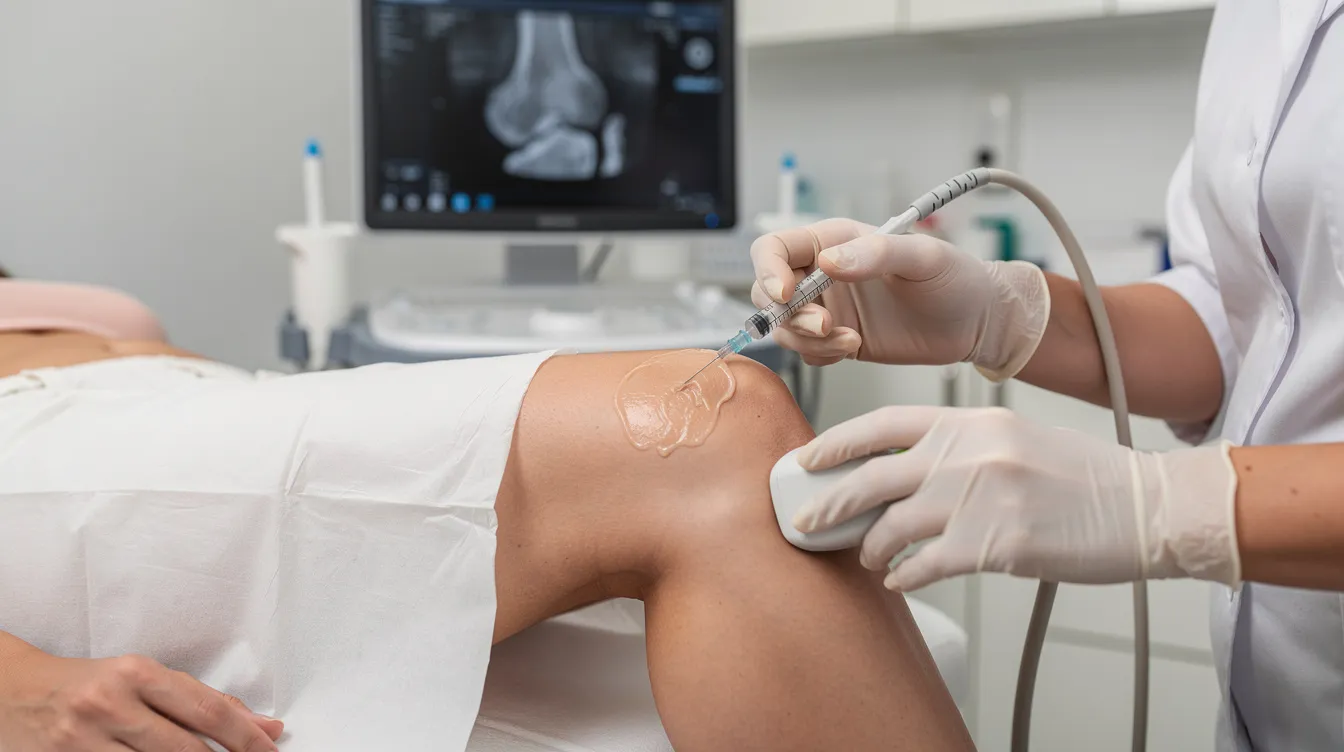
Key distinctions worth understanding:
- Stem cell injection refers to a minimally invasive, image-guided procedure-not open surgery
- Cell therapy for knees is the broader category covering MSC-based treatments aimed at tissue repair
- Common sources include bone marrow and adipose tissue (autologous), plus allogeneic products from umbilical cord tissue. Cord tissue-derived MSCs have high proliferation capacity for cartilage regeneration, while umbilical cord-derived MSCs show high regenerative potential overall
The stem cell procedure also fits alongside platelet rich plasma injection and other biologics that aim to restore joint function rather than simply mask symptoms. At The Master Survivor University, stem cell therapy is discussed within a broader framework covering cellular longevity and bio-optimization.
How Stem Cell Surgery for Knees Works: Step-by-Step
Details vary depending on clinic and country, but most stem cell procedures follow a similar process:
- Pre-procedure evaluation: Medical history, imaging (X-ray, MRI to assess joint space), physical exam, and lab work screening for systemic inflammation
- Harvesting: For autologous procedures, autologous stem cells are harvested from a patient's bone marrow (pelvic bone aspiration) or adipose tissue (liposuction) under local anesthesia-no general anesthesia required
- Processing: Cells are concentrated in a sterile environment, sometimes combined with PRP
- Injection: The procedure involves injecting stem cells into the knee joint under ultrasound or fluoroscopy guidance
- Recovery: Outpatient setting, brief observation, possible crutches for a few days. Recovery from stem cell therapy typically involves minimal downtime, with pain flares lasting 24–72 hours
Injected stem cells signal the body's repair cells to maintain or repair damaged tissue. Post-procedure, structured physical therapy is critical-gentle range-of-motion work progressing to strengthening exercises that support long-term joint health.
The Master Survivor University's natural health education programs and practitioner programs teach clinicians to coordinate cell therapy with functional nutrition, gut microbiome testing, and bioenergy devices to support systemic healing.
Evidence, Benefits, and Limitations of Stem Cell Therapy for Knee Osteoarthritis
Clinical evidence for stem cell therapy shows mixed results for pain reduction and functional improvement. A 2025 systematic review of 17 RCTs (972 treated patients vs. 651 controls) found significant improvements in clinical and radiological outcomes, with mostly mild adverse events. However, high-quality studies show inconsistent results for stem cell treatment in comparison to traditional treatments.
Potential benefits:
- Stem cell injections can lead to significant pain relief in 1–2 months
- Success rates for stem cell therapy range from 70–80% for mild osteoarthritis
- Stem cell therapy can improve joint function and reduce inflammation in the affected knee joint
- Improved mobility and easier stair climbing for most patients with early-stage disease
Key limitations:
- Stem cells might not reliably regrow damaged cartilage or stop arthritis progression
- Sample sizes remain small and follow-up periods short (6–24 months)
- Outcomes vary depending on cell source, dose, and protocol
- Stem cell therapy is not FDA-approved for routine orthopedic use
Potential risks include injection site pain, swelling, infection, bleeding, and allergic reaction to allogeneic products. Patients should ask clinics directly about their safety data before proceeding.
Who Is (and Isn't) a Candidate?
Candidacy depends on joint damage severity, overall health, and willingness to commit to rehabilitation and lifestyle change.
Likely candidates:
- Adults with mild to moderate knee osteoarthritis (Kellgren-Lawrence grade I–III)
- Persistent knee pain despite medications and physical therapy
- Measurable cartilage remaining on imaging
- Stable knee alignment
Likely exclusions:
- Advanced bone-on-bone osteoarthritis with complete joint space collapse
- Active infection, uncontrolled diabetes, or blood cancers
- Severe autoimmune disease flares
Functional factors matter too: BMI above healthy thresholds, heavy smoking, or highly inflammatory diets may reduce the success rate. Weight loss and nutritional optimization before the stem cell procedure can meaningfully influence outcomes. The Master Survivor University helps individuals assess candidacy holistically through HTMA mineral analysis and gut microbiome testing to uncover hidden drivers of inflammation.
Integrating Stem Cell Therapy with Holistic Healing: The Master Survivor Approach
Knee osteoarthritis is a whole-system condition. Local cartilage degeneration reflects wider imbalances in minerals, gut health, and energy metabolism that must be addressed for lasting results, including the impact of gut microbiome balance on overall health.
- HTMA testing reveals imbalances in magnesium, calcium, and trace elements that influence cartilage health, bone remodeling, and muscle function around the knee
- Gut microbiome testing identifies dysbiosis and leaky gut driving systemic inflammation that worsens knee pain and blunts regenerative therapies
- Ancient Greek healing concepts embraced by The Master Survivor University connect to modern anti-inflammatory diets, circadian rhythm, and movement practices that protect overall joint health and support cellular longevity and healthy aging
- Bioenergy healing devices may support circulation, pain modulation, and tissue recovery as adjuncts to sound orthopedic care
The Master Survivor University's practitioner certification tracks and advanced doctoral program in integrative health train clinicians to design comprehensive protocols: pre-conditioning the body before cell therapy, supporting recovery afterward, and monitoring progress to promote cellular longevity and joint resilience.

Frequently Asked Questions About Stem Cell Surgery for Knees
How long do the results of knee stem cell therapy typically last?
Published studies typically follow patients for 6–24 months, during which many patients report reduced knee pain and improved function. Data beyond 2–5 years are limited. Some people maintain benefits long enough to delay knee replacement, while others experience gradual symptom return and may need additional injections. Building joint-supportive habits-consistent physical therapy, anti-inflammatory nutrition, and weight management-helps extend any gains from the stem cell treatment.
Can stem cell therapy completely replace knee replacement surgery?
For advanced, bone-on-bone knee osteoarthritis, knee replacement surgery still offers the most predictable pain relief and functional improvement. Stem cell therapy is better viewed as a promising treatment option to reduce symptoms and delay surgery in earlier stages-not a guaranteed substitute. Consult both an orthopedic surgeon and an integrative practitioner to map out a realistic long-term plan.
What is the recovery timeline after a stem cell injection in the knee?
Most patients can resume normal activities like desk work within a couple of days. The typical recovery time involves a few days of increased soreness, gradual improvement over 4–12 weeks, with maximal gains around 6 months. Impact sports and heavy lifting should be avoided for several weeks. Adhering to a structured physical therapy program is essential for alleviate pain long-term and achieving the best joint function outcomes.
How much does stem cell therapy for knees cost, and is it covered by insurance?
Stem cell therapy costs range from $18,000 to $30,000 depending on cell source, processing, imaging, follow-up visits, and adjunctive treatments like PRP. Insurance coverage for stem cell therapy varies by policy, but in most cases, knees stem cell therapy for osteoarthritis is considered experimental and not covered. Consulting your insurance provider is essential for coverage details. Some related services like physical therapy or imaging may be partially covered. Use education to make informed decisions about whether the potential benefits justify the expense in your situation, and consider other treatment options and holistic alternatives, including comprehensive Master Survivor recovery programs and wellness products.
How can The Master Survivor University help me if I'm considering stem cell surgery for my knees?
The Master Survivor University, founded by Dr. Michael Rudulph Maxon, an expert in naturopathic healing solutions, offers online consultations, HTMA and gut microbiome testing, and individualized naturopathic protocols to lower systemic inflammation and optimize your body before and after any orthopedic procedure. The institution also provides practitioner-level training in functional nutrition, Ancient Greek healing, and bioenergy devices. Think of it as an educational and strategic partner-helping you ask the right questions of your medical team and regenerative clinics, and supporting your well being through a comprehensive, long-term healing plan.
Transform Your Knee Health Journey with The Master Survivor University
Your path to better knee health doesn't start in an operating room-it starts with understanding your whole body. Before investing in any expensive stem cell procedure or rushing toward knee replacement, invest in knowledge that addresses the root causes of joint degeneration.
Here's how to take the first step:
- Schedule an online assessment to evaluate your current health picture and explore insights from the Master Survivor health and wellness radio program
- Order Hair Tissue Mineral Analysis and gut microbiome testing to uncover hidden inflammation drivers
- Explore The Master Survivor Program and the complementary Hope is a Molecule recovery guide for foundational naturopathic education
- Learn about bioenergy healing devices that complement knee rehabilitation
What makes The Master Survivor University different is the blend of Ancient Greek healing wisdom, modern naturopathic science, and regenerative medicine education—along with a holistic healing and mental wellness approach—delivered through practical, step-by-step protocols for chronic disease and joint degeneration.
Visit The Master Survivor University** today** to begin crafting a personalized, evidence-informed plan before making any costly treatment decisions.

Dr. Michael Rudulph Maxon, AKA Johnny Delirious, Laboratory Naturopathic Doctor, gives expert advice rooted in holistic healing principles, drawing on 40 years of professional experience in the health industry. He helps his patients recover and heal using food and Ancient Greek therapies, utilizing organic remedies that are all backed by modern laboratory science. He is unquestionably the only TRUE Addiction & Hepatitis A, B, and C Recovery Pioneer. Free of mood-altering substances (cocaine) since 1991, with no viral load or antibodies of hepatitis since 1994, and no cirrhosis since 1995. Nobody in his life—including doctors, friends, and family—thought he would live past 1992; they all said he was going to die. But, Johnny chose life, not death, and learned how to heal his body, mind, and spirit by developing new protocols with natural therapies, including the thoughtful application of homeopathic remedies where appropriate. For over 20 years, he has helped many others recover, including professionals like doctors, dentists, and lawyers, who prefer alternative medicine over chemical drugs or surgery to address the same conditions that everyone said were hopeless.
Contact Johnny for a Hair Tissue Mineral Analysis (HTMA) to get the right diet, supplements, and expert advice, benefiting from his 30 years of experience in these specialized protocols.
United States - 972-825-7912
http://www.johnnydelirious.com