The Ultimate Guide to Holistic Healing for Mental Wellness: A Journey Beyond Symptom Management
In a world that often prioritizes speed over substance, our approach to mental health has frequently followed suit. Conventional medicine has historically leaned heavily on pharmaceutical interventions—tools that certainly have their place but often act as a veil, masking symptoms while leaving the root causes of distress untouched. At The Master Survivor University, we believe true survival and thriving come from a deeper place.
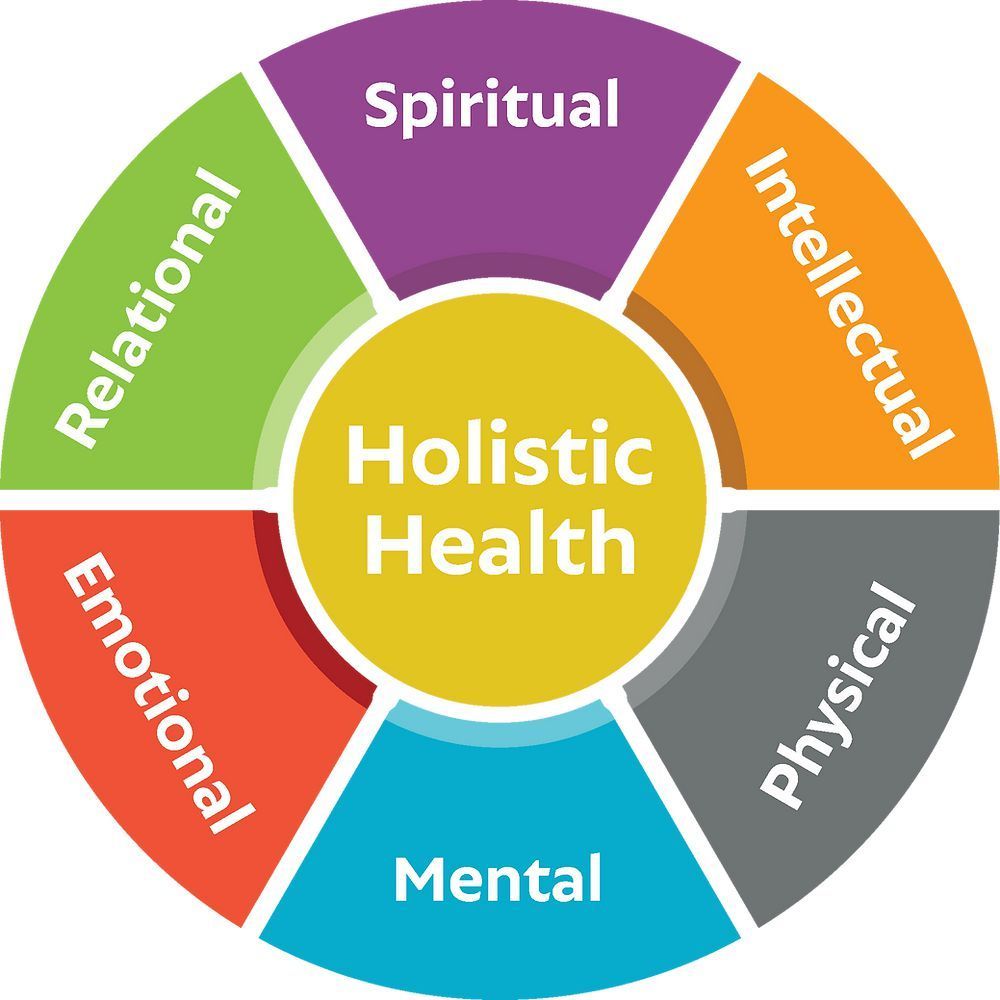
This guide is for individuals seeking natural, integrated support for mental wellness, especially those navigating chronic health concerns or looking beyond conventional care. Holistic healing offers a path to address the root causes of mental distress and achieve lasting well-being, which is increasingly important in a fast-paced world where conventional approaches may fall short. Holistic healing improves physical, mental, emotional, and spiritual health and focuses on treating root causes rather than just symptoms. It is a comprehensive approach to health that integrates mind, body, and spirit to restore natural balance and support long-term well-being rather than only managing symptoms.
For individuals seeking natural, integrated support for mental wellness—especially those navigating chronic health concerns or looking beyond conventional care—this guide explores evidence-based alternative health practices designed to empower you. Through nutrition for brain health, mind-body therapies such as guided imagery, hypnotherapy, meditation, Tai Chi, and Qigong, herbal medicine, energy healing including Reiki and Emotional Freedom Technique, and naturopathic integrative care, we look at practical ways to move away from pharmaceutical dependence and toward vibrant, sustainable health.
Nutritional Interventions: Fueling the Mind
Nutrition is the literal foundation of mental wellness. Your brain is an organ with high metabolic demands; when it lacks key nutrients, the results often manifest as anxiety, depression, and cognitive dysfunction.
Essential Nutrients for Brain and Mental Health
- Vitamin E: This powerful antioxidant reduces oxidative stress in the brain. It is particularly effective for neurodegenerative disorders and movement conditions like tardive dyskinesia. Research suggests doses up to 1600 IU per day can significantly improve symptoms and may even slow the progression of Parkinson’s disease.
- Tyrosine: As a neurotransmitter precursor, tyrosine is vital for mitigating environmental stressors. It has been shown to reduce stress responses in humans facing extreme conditions like cold and hypoxia.
- Phosphatidylserine (PS): This phospholipid helps regulate the body’s "stress thermostat"—the hypothalamic-pituitary-adrenal (HPA) axis. By counteracting stress-induced activation, PS helps stabilize cortisol levels and mood.
- Probiotics: Your gut is often called your "second brain." Fermented foods like kefir and sauerkraut contain probiotics that improve gut-brain communication, reducing cortisol and building emotional resilience, a concept central to gut microbiome and mental health.
The Role of Anti-Inflammatory Strategies
Chronic inflammation is a silent driver of depression and anxiety. Alternative health practitioners emphasize "food as medicine" to combat this:
- Turmeric and Ginger: These roots possess potent anti-inflammatory properties that reduce both physical pain and mood disturbances.
- Cherries: Known for their antioxidant density, cherries help lower systemic inflammation.
Detoxification
- Detoxification: Eliminating neurotoxic heavy metals and pesticides is crucial for cognitive function. This is achieved through hydration and liver-supportive herbs such as milk thistle and dandelion.
Mind-Body Therapies: Harnessing the Connection
Mind-body therapies emphasize that our emotional states and physiological health are inextricably linked. These techniques empower individuals to use their own mental faculties to achieve relaxation and symptom relief. The National Center for Complementary and Integrative Health categorizes holistic practices into five groups: alternative medical systems, mind-body interventions, biologically based therapies, body-based methods, and energy therapies. With over a hundred types of holistic healing practices across the broader types of holistic healing, that framework helps make the field easier to understand.
Guided Imagery and Visualization
By using the imagination, individuals can foster a sense of control over their healing journey.
- Stress Reduction: Studies show guided imagery reduces stress and improves immune function.
- Recovery Support: It has been shown to enhance recovery outcomes in cancer patients.
- Trauma Support: For survivors, visualization provides a vital tool for reclaiming a sense of agency.
Hypnotherapy and Meditation
- Self-Hypnosis: This practice induces deep relaxation while maintaining high awareness, making it a "gold standard" for habit control and pain management. It is recognized as a valid therapeutic modality by both the American Medical Association and the American Psychological Association.
- Mindfulness-Based Stress Reduction (MBSR): Meditation is a cornerstone of mental wellness. MBSR is clinically proven to decrease emotional distress, binge eating, and symptoms of PTSD.
Ancient Movement Practices
Tai Chi, qi gong, and yoga are ancient movement practices that combine physical postures, breathing, and mental focus to harmonize the body’s energy through mind body interventions.
- Tai Chi: A 2018 trial found Tai Chi to be more effective than aerobic exercise at reducing the severity of fibromyalgia symptoms.
- Qigong: This practice, also known as qi gong, balances the autonomic nervous system, which directly reduces anxiety and enhances emotional regulation.
Herbal and Alternative Medicine: Nature’s Pharmacy
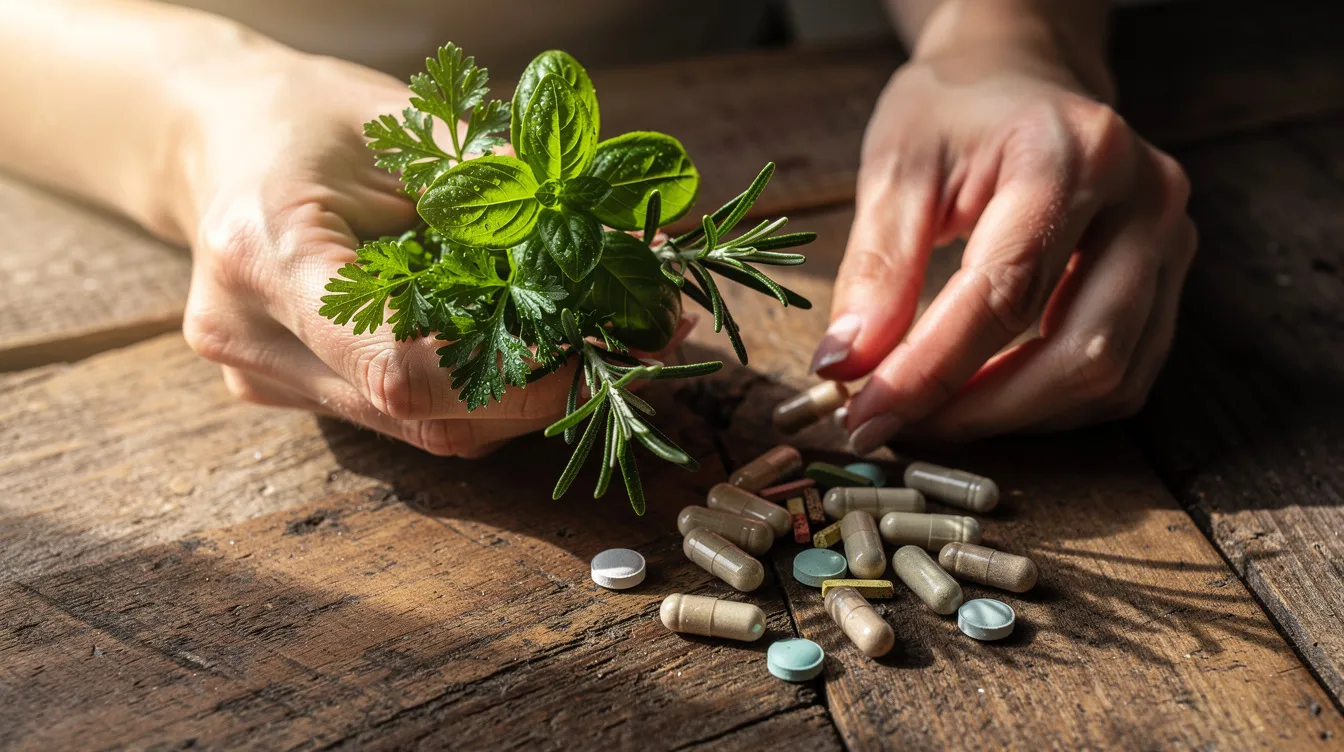
When seeking holistic healing, herbal remedies offer a way to address symptoms with fewer side effects than many synthetic pharmaceuticals, especially when combined with testing-based protocols that restore mental and physical wellness.
Herbs for Depression
| Herb | Primary Benefit | Mechanism |
|---|---|---|
| St. John’s Wort | Mild to moderate depression | Comparable efficacy to SSRIs without withdrawal effects. |
| Ginkgo biloba | Cognitive function | Prevents stress-induced desensitization of serotonin receptors. |
Herbs for Anxiety
| Herb | Primary Benefit | Mechanism |
|---|---|---|
| Passionflower | Anxiety relief | Modulates GABA receptors for a calming effect without sedation. |
| Kava | Anxiety relief | Functions similarly to Passionflower to reduce tension. |
| Lavender | Relaxation | Inhalation reduces cortisol levels and promotes immediate calm. |
Energy Healing: Balancing the Biofield
Energy healing is one of the broader energy therapies used in holistic healing, addressing subtle imbalances in the body’s biofield that often manifest as physical or emotional distress. Rather than working only with physical structure, these methods engage subtle energy, and some also incorporate spiritual approaches to support emotional and spiritual well-being.
Reiki and Biofield Therapy
Reiki practitioners channel what is known as "life-force energy" to promote systemic healing. Clinical studies have demonstrated its ability to:
- Improve mood in patients with Alzheimer’s.
- Reduce post-surgical pain and accelerate recovery times.
Emotional Freedom Technique (EFT)
Commonly known as "tapping," EFT combines acupressure with cognitive restructuring. It is a powerhouse tool for trauma:
- PTSD Success: Meta-analyses show that after just six sessions of EFT, 86% of veterans no longer met the diagnostic criteria for PTSD.
The Path Forward: Naturopathic and Integrative Medicine Care
The goal of holistic healing is to treat the whole person—physical, emotional, and spiritual—through a holistic approach rather than just the disease. Naturopathic medicine focuses on the body's innate capacity to heal itself through lifestyle, diet, and natural therapies, and it may include natural healthcare, healing practices, and complementary therapies alongside conventional treatments, reflecting the kind of naturopathic healing solutions developed by Dr. Michael Rudulph Maxon.
Integrative clinics, such as the Silverton Integrative Medicine Center, represent the future of mental wellness within integrative healthcare, especially when they use personalized lab testing to optimize a naturopathic health plan. By blending alternative medicine with conventional treatments to pursue the best patient outcome, these centers provide personalized care that addresses the root cause of unresolved trauma. This may draw from alternative medical systems as complete systems, biologically based therapies, body based methods, and complementary approaches, alongside structured alternative healing recovery programs and wellness products. Massage is one of the body based methods focused on the physical body, while acupuncture may help address some health problems. Evidence-based analysis is necessary to determine which approaches improve patient outcome safely and effectively. Holistic practices can support people undergoing chemotherapy, but they should complement rather than replace standard care, much like tiered education at Master Survivor University for natural healing is meant to enhance, not substitute, responsible medical guidance.
Ultimately, surviving and thriving requires us to recognize the interconnectedness of our health, a theme explored in depth in Master Survivor: Alternative Healing Beyond PhD. By embracing these diverse modalities, you can move toward a sustainable, vibrant future, and quality of life and a more balanced life often improve when care also addresses work, family, and emotional needs.
Frequently Asked Questions About Holistic Healing for Mental Wellness
What is the difference between alternative health and holistic healing?
Alternative health typically refers to treatments used instead of conventional medicine. Holistic healing is a philosophy that looks at the whole person (mind, body, spirit) and can include both alternative and conventional practices. There are over a hundred approaches, often grouped into categories such as:
- Alternative medical systems
- Mind-body interventions
- Biologically based therapies
- Body-based methods
- Energy therapies
Can nutrition really help with severe anxiety?
Yes. Deficiencies in key nutrients can exacerbate anxiety. The Health Hexagon Model also connects, and approaches that rebalance body chemistry—such as those described in Hope is a Molecule—highlight how:
- Diet
- Sleep
- Exercise
- Nature
- Social connections
- Purpose
to emotional resilience. Interventions like probiotics to improve the gut-brain axis and Phosphatidylserine to regulate cortisol are evidence-based methods to support mental wellness.
Is St. John’s Wort as effective as prescription antidepressants?
For mild to moderate depression, clinical studies show it has comparable efficacy to SSRIs but generally features fewer withdrawal effects.
What is "tapping" (EFT), and does it actually work?
EFT combines acupressure and cognitive restructuring. It is highly effective for trauma; 86% of veterans in a study no longer met PTSD criteria after six sessions.
How does Vitamin E affect the brain?
Vitamin E reduces oxidative stress. In high doses (up to 1600 IU), it has been shown to improve movement disorders and may slow Parkinson’s disease progression.
Are mind-body therapies recognized by medical professionals?
Yes. For example, the American Medical Association recognizes hypnotherapy as a valid therapeutic modality.
Can essential oils really lower stress?
Inhaling oils like lavender and eucalyptus has been clinically shown to reduce cortisol levels, the body's primary stress hormone.
What are the benefits of Tai Chi over regular exercise?
While all exercise is good, Tai Chi has been found specifically more effective than aerobic exercise for reducing the severity of fibromyalgia symptoms.
How do detoxification protocols improve mental health?
By using liver-supportive herbs and hydration, these protocols help remove neurotoxic heavy metals and pesticides that can impair cognitive function and mood.
Can holistic care support emotional and habit-related challenges?
Yes. Whole-person care may also address behavioral patterns and mental health disorders alongside physical symptoms, echoing the holistic protocols shared by laboratory naturopathic doctors of truth.
Can holistic care help during cancer recovery?
In some settings, cancer support groups are used as a mind-body approach for emotional support during recovery, similar in philosophy to advanced practitioner training like the Doctoral Program in Health at The Master Survivor University.
Is holistic care always safe?
Not always; some therapies carry risks, so clients should verify practitioner qualifications before starting care. Regulation can vary by field, including for ayurvedic practitioners.
What is an integrative clinic?
An integrative clinic combines conventional medical treatments with alternative therapies like acupuncture, which has been practiced for over 2,500 years, and naturopathy to create a personalized, "whole-person" treatment plan.
Dr. Michael Rudulph Maxon, AKA Johnny Delirious, Laboratory Naturopathic Doctor, gives expert advice rooted in holistic healing principles, drawing on 40 years of professional experience in the health industry. He helps his patients recover and heal using food and Ancient Greek therapies, utilizing organic remedies that are all backed by modern laboratory science. He is unquestionably the only TRUE Addiction & Hepatitis A, B, and C Recovery Pioneer. Free of mood-altering substances (cocaine) since 1991, with no viral load or antibodies of hepatitis since 1994, and no cirrhosis since 1995. Nobody in his life—including doctors, friends, and family—thought he would live past 1992; they all said he was going to die. But, Johnny chose life, not death, and learned how to heal his body, mind, and spirit by developing new protocols with natural therapies, including the thoughtful application of homeopathic remedies where appropriate. For over 20 years, he has helped many others recover, including professionals like doctors, dentists, and lawyers, who prefer alternative medicine over chemical drugs or surgery to address the same conditions that everyone said were hopeless.
Contact Johnny for a Hair Tissue Mineral Analysis (HTMA) to get the right diet, supplements, and expert advice, benefiting from his 30 years of experience in these specialized protocols.
United States - 972-825-7912
http://www.johnnydelirious.com