Peptide Muscle Growth: Natural Strategies for Strength, Recovery, and Longevity
Your body already knows how to build muscle, heal tendons, and regulate growth hormone. The challenge is that these systems slow down with age, stress, and nutritional gaps. Peptides offer a way to amplify what your physiology is already doing-not override it. This guide breaks down how peptide muscle growth strategies work, what the evidence actually says, and how to integrate them safely within a holistic framework.
Key Takeaways
Peptides can support muscle growth, muscle recovery, and overall muscle development by working with the body's own growth hormone and repair systems rather than replacing them. Peptides can enhance muscle hypertrophy and accelerate workout recovery when combined with the right foundational practices. Certain peptides can speed up the repair of damaged muscles and connective tissue, making them relevant for aging individuals and those recovering from intense training.
The Master Survivor University focuses on educational guidance and holistic peptide therapy strategies-including BPC 157–based protocols-rather than unsupervised, performance-enhancing drug use. Growth hormone releasing peptides and repair peptides may support faster recovery, especially when combined with functional nutrition, gut restoration, and lifestyle protocols. Testing through Hair Tissue Mineral Analysis and gut microbiome testing is essential for customizing peptide-supported muscle building programs for long-term health benefits.
Here are the biggest potential wins:
- Enhanced recovery and reduced soreness after strenuous workouts
- Healthier joints, tendons, and connective tissue repair
- Improved sleep quality that naturally supports growth hormone pulses
- More sustainable muscle building grounded in physiology, not shortcuts

What Are Peptides and How Do They Relate to Muscle Growth?
Peptides are short chains of amino acids-typically between 2 and 50-that act as signaling molecules coordinating growth, tissue repair, and inflammation throughout the body. They are naturally occurring peptides in many cases, functioning as the building blocks of proteins and hormones that regulate how your muscle tissue responds to exercise and recovery demands.
Some peptides influence growth hormone release from the pituitary gland, while others boost insulin like growth factor 1 (IGF-1) production or act locally to accelerate healing. Peptides influence muscle tissue mainly through the Growth Hormone/IGF-1 axis, a signaling cascade that governs muscle protein synthesis, fat loss, and connective tissue integrity. This makes them fundamentally different from dietary supplements or standard proteins you'd find at a health food store.
Key distinctions between peptide therapy and synthetic anabolic steroids:
- Peptides tend to "nudge" your body's existing physiology-amplifying natural growth hormone pulses rather than flooding the system with external hormones
- Steroids replace hormones directly, often suppressing the body's own production
- Peptides generally carry fewer side effects when used correctly under guidance, though most peptides marketed for muscle growth are not FDA-approved for that purpose
The Master Survivor University frames peptides as one tool within a broader naturopathic system that prioritizes mineral balance, gut integrity, and cellular longevity-not as standalone solutions.
Growth Hormone and Muscle Building: The GH–IGF-1 Axis Explained
Growth hormone, secreted by the pituitary gland, drives muscle development, fat metabolism, and tissue repair throughout daily life. IGF-1 acts as the downstream mediator-when growth hormone reaches the liver and local muscle tissue, it triggers IGF-1 production, which then activates satellite cells, stimulates protein synthesis, and promotes muscle regeneration. IGF-1 enhances cell repair and muscle regeneration through pathways like Akt and mTOR. Additionally, IGF-1 LR3 enhances muscle protein synthesis directly by extending IGF-1's biological activity in muscle tissue.
Growth hormone secretagogues stimulate the pituitary gland to release growth hormone and enhance protein synthesis in muscles. Here is what growth hormone supports in the context of muscle building:
- Increased muscle protein synthesis via satellite cell activation
- Reduced muscle breakdown (anti-catabolic effects that preserve lean body mass)
- Improved collagen formation in tendons and ligaments, reducing injury risk
- Better sleep quality and muscle recovery, since deep slow-wave sleep triggers the largest natural growth hormone pulses
In healthy adults, GH can increase lean body mass but not necessarily strength or performance-meaning that training stimulus and proper nutrition remain non-negotiable. After the mid-30s, growth hormone secretion declines roughly 15% per decade, primarily through reduced pulse amplitude. Between ages 25 and 75, muscle mass may decline 20–40%, bone density drops approximately 0.3% per year after 35, and fat mass often doubles.
Growth hormone releasing approaches-sleep hygiene, resistance training, macronutrient optimization, and specific peptide signals-align far more closely with The Master Survivor University's philosophy than direct hormone replacement. The goal is restoring your body's rhythms, not overriding them.
Growth Hormone Releasing Peptides (GHRPs) and GHRH Analogs
Growth hormone releasing peptides and GHRH analogs act on the hypothalamus and pituitary to stimulate natural growth hormone pulses. Unlike exogenous GH injections, these compounds encourage your body to produce and release its own hormones in a pulsatile, more physiological pattern.
- CJC-1295 and Ipamorelin are popular growth hormone secretagogues frequently referenced in research. CJC-1295 and Ipamorelin raise the body's growth hormone levels by acting on complementary receptor pathways. A pharmacokinetic study of ipamorelin in healthy men showed peak GH release at approximately 0.67 hours post-dose, with a half-life of about 2 hours and minimal impact on cortisol or ACTH.
- GHRH analogs like Tesamorelin improve muscle area and reduce fat in clinical settings. Growth hormone secretagogues stimulate natural growth hormone release, which may support muscle growth and faster recovery by enhancing nighttime GH release.
- Short-acting agents (without DAC) produce sharper, more natural GH pulses, while longer-acting variants (with DAC or albumin binding) extend GH elevation over days. The difference matters because pulsatile release mimics your body's rhythm, whereas continuous elevation can carry more risk.
- Capromorelin, a ghrelin receptor agonist, increases lean body mass in older adults, though adverse effects of capromorelin include fatigue and insomnia-a reminder that even "gentle" secretagogues have trade-offs.
These compounds are often classified as research chemicals or prescription therapies, not over-the-counter supplements. In a 12-month pilot study of anamorelin (another ghrelin receptor agonist) in older adults with osteosarcopenia, IGF-1 increased by approximately 50%, knee flexion strength improved about 20%, and bone formation markers rose roughly 75%.
The Master Survivor University teaches students to interpret labs-IGF-1, fasting glucose, liver markers-and to pair any peptide therapy with foundational lifestyle protocols. Peptides work best as amplifiers, not replacements, for the basics.
BPC 157 and Other Repair Peptides for Muscle Recovery
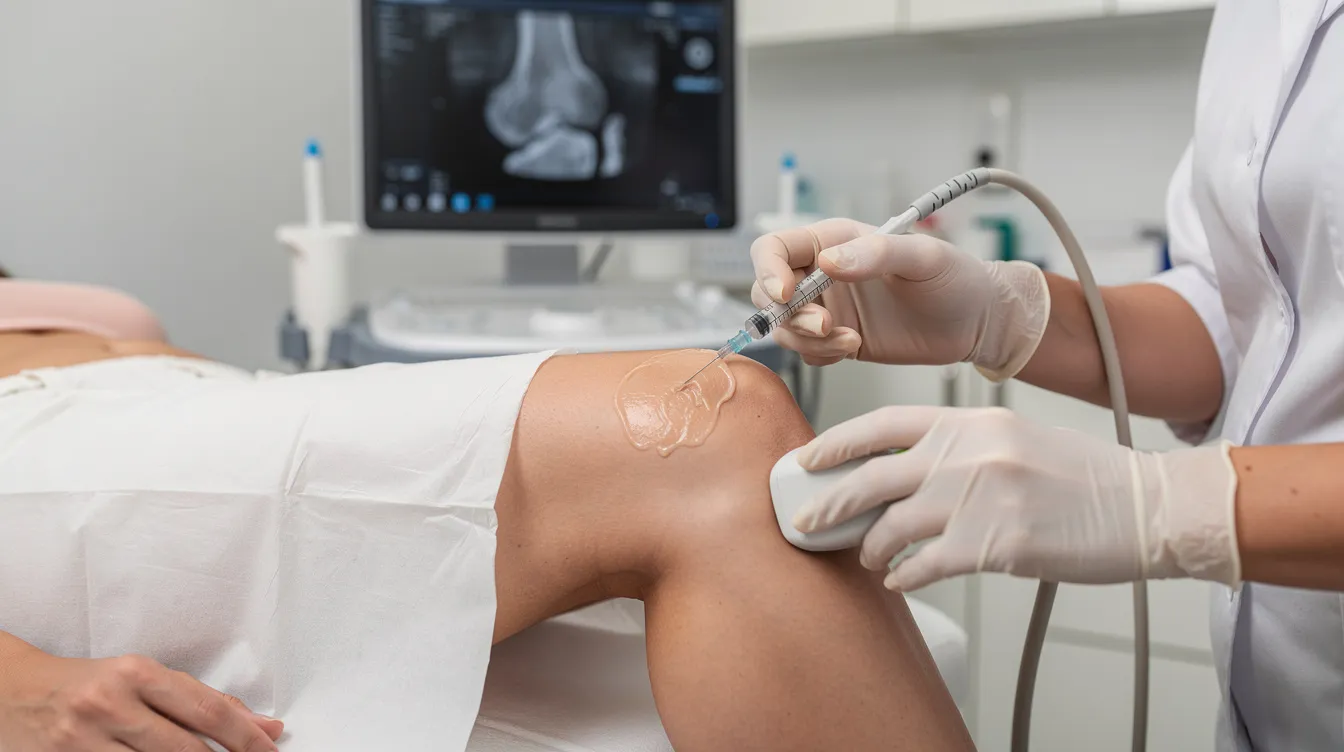
BPC 157 is a synthetic fragment of a gastric peptide that has generated significant interest for its potential to support tendon, ligament, and muscle healing. The evidence so far comes largely from animal studies, but the preclinical results are compelling enough to warrant serious attention.
- BPC 157 shows promise for muscle healing in animal studies. A 2006 rat study of Achilles tendon detachment found that BPC 157 improved functional measures, biomechanical properties (load to failure, stiffness), collagen type I organization, and angiogenesis-even at very low doses from picogram to microgram per kilogram.
- Peptides enhance recovery by boosting local blood vessel formation and reducing inflammation, making BPC 157 particularly relevant for athletes dealing with chronic tendon pain, rotator cuff strains, knee overuse, or joint capsule injuries. Peptides can accelerate recovery after strenuous workouts through these same repair mechanisms.
- BPC 157 lacks human clinical evidence for safety and efficacy. As of 2026, no randomized controlled human trials have been published. This is the most important caveat for anyone considering its use.
Thymosin Beta-4 (often referenced as TB-500) promotes tissue repair and reduces inflammation through a distinct mechanism-promoting cell migration and modulating actin, a protein critical for muscle contraction. Like BPC 157, human data remains limited.
The Master Survivor University incorporates BPC 157–based education into broader protocols emphasizing gut healing, mineral repletion, and anti-inflammatory nutrition. Viewing any single peptide as a "magic bullet" misses the point of holistic recovery.

Peptide Therapy Within a Holistic Muscle Growth Strategy
Peptide therapy should be nested inside a complete muscle building ecosystem. Training, sleep, nutrition, nervous-system regulation, and mineral balance form the foundation. Without these, even the best peptide therapy for biological optimization will underperform.
The Master Survivor University weaves peptides into:
- Functional strength and hypertrophy training plans built on progressive overload and sound biomechanics
- Personalized functional nutrition strategies with adequate protein, anti-inflammatory fats, and targeted carbohydrates to improve body composition
- Bio-optimization practices like circadian alignment and breathwork for better growth hormone secretion and enhanced recovery
- Ancient Greek healing concepts-balance of humors, movement in nature, heat and cold exposure-integrated with modern peptide science to protect long-term overall well being
Regular reassessment drives everything: body composition tracking, physical performance metrics, subjective energy levels, and lab retesting ensure protocols evolve with the individual. This iterative approach prevents stagnation and catches problems early.
Testing First: HTMA, Gut Microbiome, and Biofeedback Before Peptides
Smart peptide use for muscle growth begins with understanding the terrain: mineral status, gut function, and systemic inflammation. Jumping straight to peptides without this baseline is like building on sand.
The Master Survivor University employs Hair Tissue Mineral Analysis to unlock your body’s mineral balance:
- Hair Tissue Mineral Analysis (HTMA) to detect imbalances in magnesium, zinc, and sodium/potassium ratios that directly affect muscle contraction, nerve function, and growth hormone production, expanding on insights from hair mineral analysis compared with blood and urine tests
- Gut microbiome testing to identify dysbiosis, leaky gut, and malabsorption that can sabotage muscle recovery and blunt peptide effectiveness-even when GH release is adequate, poor gut absorption limits the supply chain of amino acids and minerals needed for protein synthesis
- Simple biofeedback markers-resting heart rate, HRV, morning energy, digestion quality, libido changes-as low-tech gauges of how the body is adapting to training and any peptide protocol, while HTMA-based stress level interpretation and mineral patterns provide a longer-term view
Correcting these baseline issues through mineral repletion, total gut restoration, and functional nutrition often improves muscle development significantly before peptide therapy is even considered. The Master Survivor University offers structured educational programs teaching students and clients how to interpret HTMA patterns and build individualized muscle support protocols informed by hair tissue mineral analysis testing for humans and animals.
The Master Survivor Peptide Supplements and Supportive Programs
The Master Survivor offers peptide-focused educational programs and carefully curated peptide supplements designed to fit within a naturopathic, safety-first framework. These are not quick fixes-they are tools within a system.
- Peptide supplement formulations from The Master Survivor prioritize repair and recovery (including BPC 157–centered blends) alongside micronutrients supporting collagen synthesis and muscle function, available through the Master Survivor University Store, and can be complemented by essential trace mineral rebalancing strategies
- Practitioner-guided protocols integrate growth hormone releasing peptides conceptually with HTMA data and gut restoration when appropriate and legal in the client's region
- Online courses and practitioner tracks teach the science, regulation, and ethical use of peptide therapy for muscle growth and chronic injury recovery through The Master Survivor University
These products and services function as education and holistic support tools-not as performance-enhancing drug substitutes. Think of peptide supplements as one layer atop foundations like resistance training, sleep, and nutrient-dense eating, aligned with the simple, personalized healing philosophy outlined in Hope is a Molecule.
Natural Ways to Enhance Muscle Growth Alongside Peptides
Even the best peptides for muscle growth will underperform if basic physiological needs are unmet. Here are the natural levers that matter most:
- Resistance training 3–5 sessions per week emphasizing progressive overload. You need to lift weights with intention-mechanical tension and metabolic stress drive adaptation regardless of peptide use.
- Whole-food functional nutrition with adequate protein (1.6–2.2 g/kg body weight), anti-inflammatory herbs, and mineral-rich foods. Collagen peptides improve muscle strength with resistance training, making them a practical dietary supplement alongside a complete protein strategy.
- Sleep optimization rituals that naturally raise nighttime growth hormone: consistent bedtimes, a dark room, reduced late-night blue light, and calming breath practices. Improved sleep directly improves better sleep quality and GH pulse amplitude.
- Stress regulation using ancient Greek-inspired practices-time in nature, heat and cold exposure, contemplative movement-and modern tools like bioenergy devices offered by The Master Survivor to manage energy levels and reduce fatigue from intense exercise.
These strategies deliver substantial muscle development and health benefits even without peptides. Peptides, if used, should amplify these foundations-never replace them. Your fitness goals depend far more on what you do every day than on any single compound.

Safety, Legality, and Ethical Considerations of Peptide Muscle Growth
Many injectable peptides used for muscle growth are classified as research chemicals or prescription medications in 2026. Peptides are often unregulated and not FDA-approved as over-the-counter muscle building aids. This matters for your health and your legal standing.
- The FDA has flagged several peptides for safety and quality concerns. CJC-1295 was rejected from the 503A compounding list in December 2024 due to insufficient safety data. Six other peptides (including BPC 157 and TB-500) were recently recommended for compounding eligibility, but this is not the same as FDA approval.
- Peptides categorized as performance-oriented are often restricted in competitive sports. WADA bans growth hormone secretagogues and related compounds-professional athletes risk sanctions. These are prohibited substances under the S2 category.
- Peptides purchased online can present risks beyond the peptide itself, such as contamination. Peptides may be contaminated or mislabeled when purchased online from unregulated sources. Using unregulated peptides can lead to serious health issues including hormonal disruption.
- Peptides can carry risks like hormonal disruption and unknown long-term safety. Potential adverse effects include insulin resistance, cardiovascular changes, fluid retention, and theoretical cancer risk from upregulated growth factor signaling.
The Master Survivor University emphasizes educational use, practitioner collaboration, and lab-informed decision-making, discouraging unsupervised black-market peptide use. Always discuss any peptide therapy with a qualified healthcare professional. The Master Survivor can help you become that practitioner through its training programs.
How The Master Survivor University Can Guide Your Muscle Growth Journey
The Master Survivor University bridges ancient Greek healing wisdom and modern peptide science for people seeking sustainable muscle growth and cellular longevity. Under the guidance of Dr. Michael Rudulph Maxon, the university combines deep testing, naturopathic protocols, and rigorous education into a system designed for human health at every level.
- One-on-one consultation programs interpret HTMA, gut microbiome testing, and other labs to design individualized muscle recovery and performance plans
- Tiered practitioner education trains students in naturopathic protocols, peptide therapy fundamentals, total gut restoration, and bioenergy device use
- Community and ongoing mentorship options-online cohorts, Q&A calls, and the Master Survivor Radio and Podcast-keep practitioners current on peptide research and holistic muscle development strategies
Ready to take the next step? Schedule a discovery call, enroll in an introductory course, or explore The Master Survivor's resources to map out your personalized muscle growth and recovery roadmap. Visit The Master Survivor University to get started today.
Frequently Asked Questions About Peptides, Muscle Growth, and The Master Survivor Approach
These FAQs address common questions about peptide muscle growth that weren't fully covered above, focusing on practical and safety concerns and how they intersect with longevity peptides and gut health insights.
Are peptide supplements from The Master Survivor enough on their own for muscle growth?
No supplement is sufficient on its own. The Master Survivor's peptide supplements are designed to complement structured resistance training, nutrient-dense diets, and restorative sleep. Results depend on baseline mineral status, gut health, age, and training experience-which is exactly why testing and personalized protocols are emphasized before and during any supplementation.
How long does it typically take to notice muscle recovery or performance changes with peptide-supported protocols?
Many individuals observe changes in soreness and recovery within the first few weeks. Measurable muscle growth and body composition shifts typically require 8–12 weeks of consistent practice. Timelines vary by peptide type, training plan, nutrition, and adherence. The Master Survivor tracks progress using both subjective feedback (energy, sleep quality, fatigue) and objective markers (HTMA retesting, body composition, strength gains).
Can I use BPC 157 or growth hormone releasing peptides if I have a chronic health condition?
Anyone with a chronic health condition-such as diabetes, cardiovascular disease, or autoimmune disorders-must consult their healthcare professional before considering peptide therapy. The Master Survivor University does not diagnose or prescribe but educates clients and practitioners on how to coordinate peptide-related decisions with their medical teams to minimize risk and maximize benefit.
What makes The Master Survivor University different from typical "peptide clinics" or online peptide sellers?
The emphasis is on education, testing (HTMA, gut microbiome), and ancient Greek-inspired naturopathic frameworks rather than quick-fix prescriptions. The Master Survivor integrates bioenergy devices, cellular longevity strategies, and practitioner-level training that moves clients beyond symptom chasing into deep, systemic healing-not just handing over a vial and hoping for the best, building on decades of work with hair trace element analysis in environmental and archeological contexts.
How do I get started with peptide-focused muscle growth education at The Master Survivor?
Begin by exploring The Master Survivor's online resources, booking an initial consultation, or enrolling in an introductory course on peptide therapy and muscle development. Visit The Master Survivor University website, join the email list, or connect with an advisor to map out your personalized muscle growth and recovery roadmap.

Dr. Michael Rudulph Maxon, AKA Johnny Delirious, Laboratory Naturopathic Doctor, gives expert advice rooted in holistic healing principles, drawing on 40 years of professional experience in the health industry. He helps his patients recover and heal using food and Ancient Greek therapies, utilizing organic remedies that are all backed by modern laboratory science. He is unquestionably the only TRUE Addiction & Hepatitis A, B, and C Recovery Pioneer. Free of mood-altering substances (cocaine) since 1991, with no viral load or antibodies of hepatitis since 1994, and no cirrhosis since 1995. Nobody in his life—including doctors, friends, and family—thought he would live past 1992; they all said he was going to die. But, Johnny chose life, not death, and learned how to heal his body, mind, and spirit by developing new protocols with natural therapies, including the thoughtful application of homeopathic remedies where appropriate. For over 20 years, he has helped many others recover, including professionals like doctors, dentists, and lawyers, who prefer alternative medicine over chemical drugs or surgery to address the same conditions that everyone said were hopeless.
Contact Johnny for a Hair Tissue Mineral Analysis (HTMA) to get the right diet, supplements, and expert advice, benefiting from his 30 years of experience in these specialized protocols.
United States - 972-825-7912
http://www.johnnydelirious.com