What is a Short Peptide? Understanding Vilon, Epithalon, and Their Role in Longevity & Nutrition
Introduction
Short peptides are increasingly recognized for their vital roles in health, longevity, and nutrition. This article explores what short peptides are, how they function in the body, and their significance in modern medicine and dietary science. It is intended for readers interested in the science behind peptide supplements, anti-aging, and integrative health.
Short peptides are chains of amino acids linked by peptide bonds, typically consisting of fewer than 100 amino acids. This article explains what a short peptide is, how it functions in the body, and why it matters for longevity and nutrition.
The Physiological Role of Biologically Active Peptides in Biological Regulation
Endogenous peptides are involved in generating a compensatory-adaptive response to stress and internal disorders. A disruption in peptide regulation inevitably impairs the transfer of information molecules between cells, leading to pathological conditions and reduced resistance to destabilizing factors.
Peptides are a class of biomolecules involved in a wide range of biological processes, including metabolism, immune regulation, and cellular signaling. Short peptides, as defined above, play a central role in these processes.
Oligopeptides as Information Transmitters
Oligopeptides are a subset of short peptides, generally consisting of 2-20 amino acids. Bioregulation is mediated by various oligopeptides that selectively transmit information between immune, nerve, and other cells. These informational messengers are formed via the partial protein hydrolysis of larger precursor proteins (such as growth factors and cytokines) near their corresponding receptor systems.
Structural Insights
Key structural and functional insights include:
- The Power of Fragments: The entire protein molecule is not always necessary to influence physiological processes. Fragments consisting of 3 to 4 amino acid residues are sometimes even more effective than the native, larger compounds. The structure of short peptides, including their sequence and conformation, is crucial for their biological activity.
Evolutionary Origin
- Evolutionary Origin: Peptide hormones of the gastrointestinal tract, insulin, and pituitary hormones share a common evolutionary origin, underscoring their fundamental role in biological systems. Natural peptides are found in a variety of organisms, including plants, animals, fungi, and marine life, and are being studied for their therapeutic potential.
Cellular Penetration
- Cellular Penetration: When polypeptides are processed (cleaved), their molecular properties, such as hydrophobicity, can change significantly. This is a crucial step that allows the resulting peptide fragments to penetrate cell membranes and the blood-tissue barrier, enabling their regulatory function. Short peptides can influence signaling pathways by interacting with cell surface receptors and modulating downstream cellular responses.
Understanding these regulatory roles sets the stage for exploring how short peptides function in nutrition and absorption.
Short Peptides in Modern Nutrition and Absorption
Nutrition is one of the most critical environmental factors impacting human health and lifespan. Unfortunately, the intensive processing of industrial food leads to a significant reduction in vital biologically active substances, contributing to nutrient deficiency symptoms. This necessitates the search for alternative methods, such as utilizing biologically active substances from natural sources, including peptides.
Superior Absorption and Transport
The human organism has evolved to efficiently process peptides, not just free amino acids. The absorption of peptides arising from protein digestion is significantly faster than that of a mixture of free amino acids. The small intestine is equipped with di- and tri-peptide transporters that enable the rapid uptake of short peptides.
Furthermore, some short peptides are highly resistant to enzymatic hydrolysis (cleavage) in the gut. However, many peptides are susceptible to enzymatic degradation by digestive proteases, which can limit their oral bioavailability and reduce their effectiveness when administered orally. Peptides such as:
- Carnosine
- Glycyl sarcosine
- Proline/hydroxyproline dipeptides
often pass through the intestinal brush border intact and reach the portal vein whole, confirming their high nutritional value and ability to coordinate regulatory systems.
Bioactive Peptides from Food
Additionally, bioactive peptides derived from food sources can exert beneficial effects beyond nutrition, including antimicrobial properties and antimicrobial activity that support gut health.
Transitioning from nutrition, we now explore how certain short peptides can penetrate cells and deliver therapeutic benefits.
Cell Penetrating Short Peptides
Cell penetrating short peptides (CPPs) represent a breakthrough in the field of biologically active peptides, offering a unique solution for delivering therapeutic molecules directly into cells. CPPs are a type of short peptide, typically consisting of 5 to 30 amino acids, with a high proportion of cationic residues such as arginine and lysine. This positive charge allows them to interact favorably with the negatively charged components of cell membranes, facilitating their entry into a wide variety of cells.
As a result, CPPs can transport a diverse range of molecules—including proteins, nucleic acids, and small drug-like compounds—directly into the cellular interior, where they can exert their biological effects.
The ability of cell penetrating peptides to shuttle molecules across cell membranes has opened new avenues in peptide therapeutics and nutritional science. By harnessing these peptides, researchers are developing innovative delivery platforms for bioactive compounds that would otherwise be unable to reach their intracellular targets. This property is especially valuable for supporting cellular health, optimizing protein-protein interactions, and enhancing the effectiveness of peptide-based therapies.
As research continues, cell penetrating short peptides are poised to play a pivotal role in advancing both clinical applications and holistic approaches to longevity, making them a key focus for those interested in the intersection of amino acids, cellular nutrition, and modern integrative medicine.
With this understanding of cellular delivery, let's examine the clinical and geroprotective applications of short peptides.
Clinical and Geroprotective Applications
Peptide-based therapeutics are a promising class of drugs due to their high specificity and low toxicity, but their clinical use can be limited by peptide instability and short half life.
Peptide-based drugs and supplements are being extensively studied for their therapeutic potential. Research has highlighted several specific short peptides with powerful effects on immunity, cognition, and aging. Recent progress in peptide drug development has led to ongoing clinical trials evaluating their efficacy in cancer treatment and other diseases, including anticancer therapies.
Peptides for Stress and Malnutrition
Adding Glutamine (Gln)-containing dipeptides—such as Ala-Gln and Gly-Gln—to parenteral nutrition helps prevent disorders caused by stress and malnutrition.
- Ala-Gln (Alanine-Glutamine): In surgical patients, it helps normalize nitrogen balance, maintain intracellular Glutamine levels, and restore the total number of peripheral blood lymphocytes and intestinal function. Some Gln-containing dipeptides also exhibit anti-inflammatory properties, which may contribute to their therapeutic effects in vivo.
- Gly-Gln (Glycine-Glutamine): In studies of H1N1-infected mice, it was shown to prevent lymphoid tissue atrophy in the small intestine and promote secretory immunity by increasing IgA levels in the intestine and respiratory tract lining. These effects were demonstrated in a murine model, providing valuable in vivo evidence for its role in supporting immune function.
Peptides for Cognitive Health
The tetrapeptide Asn-Leu-Pro-Arg (NLPR) has shown promise in combating memory disorders. NLPR is able to cross the blood-brain barrier and may exert its effects by modulating signaling pathways involved in memory and cognition through interaction with neuronal receptors. Oral administration of NLPR in rats with memory impairments increased cognitive abilities and behavioral reactions, primarily by inducing the expression of Nerve Growth Factor (NGF) in the brain.
Peptides for Aging and Cellular Regeneration
The accumulation of involution processes in the gastrointestinal tract during aging makes short peptide supplementation especially relevant.
- Carnosine ($\beta$-Ala-His): Based on its ability to bypass complete intracellular hydrolysis and its known antioxidant effect, carnosine is the basis for a dietary supplement with established geroprotective properties.
- Vilon (Lys-Glu) & Epithalon (Ala-Glu-Asp-Gly): These synthetic short peptides, constructed after analyzing peptide complexes from the thymus and pineal gland, respectively, are recognized as hydrolysis-resistant. Vilon and Epithalon are produced using advanced synthesis techniques such as solid phase peptide synthesis and solution phase peptide synthesis, which allow for precise control over peptide sequences and structural modifications. Incorporation of non natural amino acids or alterations to the peptide sequences can further enhance their stability and resistance to enzymatic degradation. Their hydrolysis resistance is attributed to their specific structure and formation, including the use of L amino acids and carefully designed sequence arrangements, which contribute to their unique properties. They demonstrated remarkable effects in aging rats:
- Enzyme Activity: They normalize the activity of digestive enzymes in the gastrointestinal tract during aging.
- Nutrient Transport: They significantly improve the transport properties of the small intestine. Epithalon notably intensified the active absorption of glucose by up to 8 times in the medial parts of the small intestine.
- Functional Compensation: This suggests they can improve or normalize the functions of enzyme and transport systems of the small intestine during aging, leading to an improvement in food intake and digestion.
Having explored these clinical applications, we now look to the future of peptide-based integrative medicine.
The Future of Integral Medicine
Short peptides are believed to have the ability to temporarily replace an impaired element of physiological regulation. This temporary support enables the organism to restore a reduced or lost function and maintain it long-term. Scientists hypothesize that this mechanism is primarily based on the peptides’ ability to normalize protein biosynthesis in corresponding organs, thereby restoring cell receptors and normalizing cellular sensitivity to other humoral regulators.
Short peptides offer high specificity for their targets, enabling them to modulate protein-protein interactions that are often inaccessible to conventional drugs. Peptides can also be designed to target proteins encoded by the human genome, expanding the range of therapeutic targets beyond what is possible with traditional small molecule drugs.
The essential physiological role of peptides in nutrition is clear: they are invaluable components of dietary supplements at any age. They support normal metabolic processes, aid in rehabilitation after trauma and surgery, prevent or treat various diseases, and actively work to delay the aging process. The justified use of short peptides opens up new possibilities for the development of “integral medicine”—combining pharmaceutical food products with modern diagnostics for effective, safe maintenance of health and longevity. Advances in peptide identification techniques are also facilitating the development of personalized therapies.
Transitioning from the future of medicine, let's explore practical ways to naturally support peptide levels.
Natural Ways to Increase Peptides
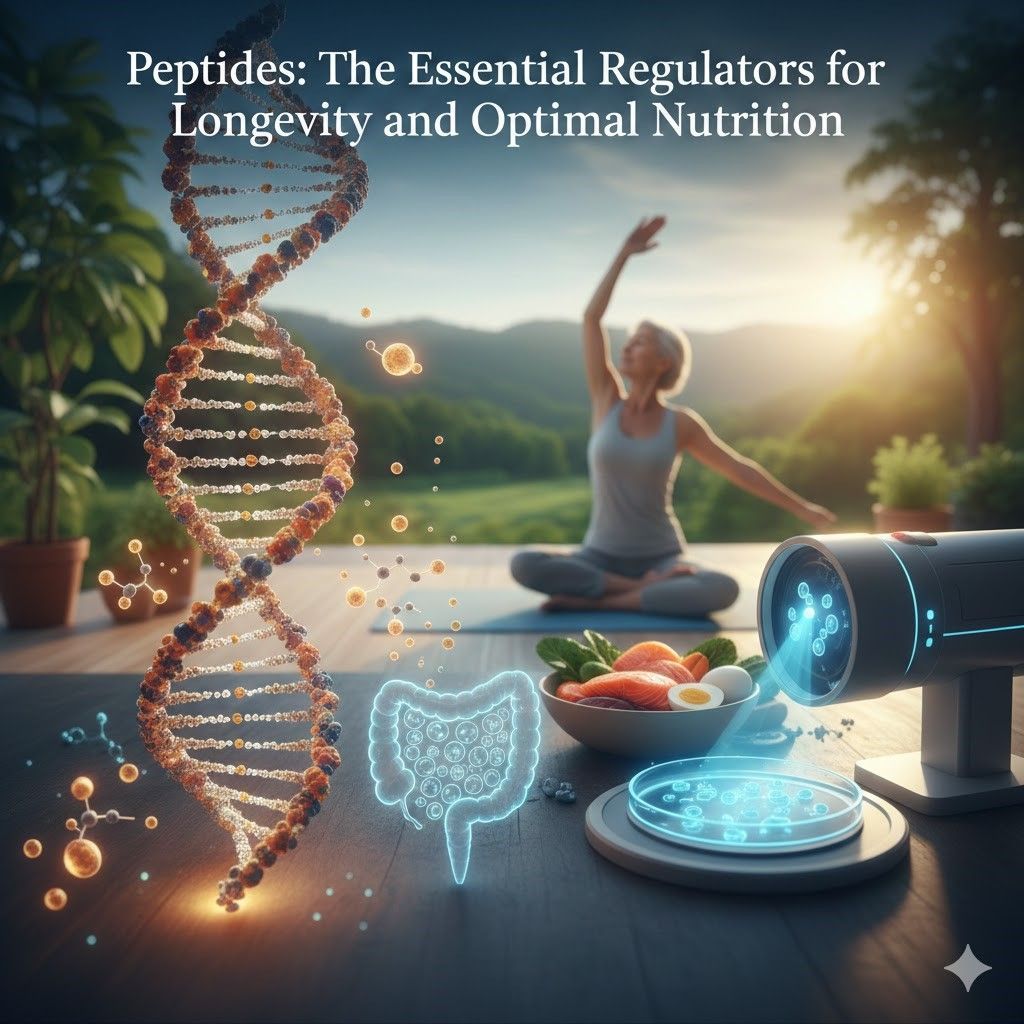
The attached visual guide highlights several key ways to support natural peptide levels and optimize their function:
- Dietary Sources: Incorporate protein-rich foods and eggs.
- Lifestyle Factors: Engage in active physical activity, manage stress/mood, and maintain good hydration.
- Gut Health: Focus on protein-releasing foods, as gut health is crucial for peptide cleavage and absorption.
Dr. Johnny now offers Peptide Supplements, you can find out more here and register to be his patient.
Frequently Asked Questions (FAQs) About Peptides
What is the fundamental physiological role of endogenous peptides?
Endogenous peptides are essential for coordinating homeostasis and forming a compensatory-adaptive response to stress and internal disorders. They act as information molecules that regulate biosynthesis and maintain the stable genetic composition of organ and tissue cells.
Why are short peptide fragments often more effective than native proteins?
Short peptide fragments, sometimes consisting of just 3-4 amino acid residues, can be more effective than the larger native compounds. The processing (cleavage) of longer polypeptides into these short fragments allows for significant changes in molecular properties, like increasing their hydrophobicity. This change is crucial as it enables the molecule to penetrate the cell membranes and the blood-tissue barrier more easily, enhancing their regulatory impact. However, despite their potency, short peptides and small peptides often face challenges such as peptide instability and a short half life in the body, which can limit their clinical utility unless modified for greater stability.
How does the body absorb peptides compared to free amino acids?
The transport of peptides that arise during digestion is realized significantly faster by intestinal regulation systems than the absorption of a mixture of free amino acids. The small intestine is specifically equipped with di- and tri-peptide transporters. Some short peptides, such as:
- carnosine
- glycyl sarcosine
- proline/hydroxyproline dipeptides are also resistant to complete hydrolysis and can reach the portal vein intact. Oral bioavailability of peptides can be limited by enzymatic degradation, but certain small peptides and ultra short peptides are more resistant and can be absorbed intact.
Which specific peptides show promise for anti-aging (geroprotection)?
The peptides Vilon(Lys-Glu) and Epithalon (Ala-Glu-Asp-Gly) are particularly promising geroprotective agents. They are classified as hydrolysis-resistant and have been shown to regulate enzyme activity in the gastrointestinal tract during aging. Specifically, they improved the transport properties of the small intestine in old rats, with Epithalon intensifying the active absorption of glucose by up to 8 times. Ultra short peptides (≤ 7 amino acids) are also being explored for their unique properties and potential therapeutic applications in anti-aging and regenerative medicine.
What is the proposed mechanism for how exogenous peptides restore function?
It is believed that when peptides are administered exogenously (as a supplement), they briefly replace the impaired element of physiological regulation. This enables the organism to restore the reduced or lost function. Scientists assume this mechanism is based on the peptides’ ability to normalize protein biosynthesis in the target organs, which in turn restores cell receptor sensitivity to other natural humoral regulators.

Dr. Michael Rudulph Maxon, AKA Johnny Delirious, Laboratory Naturopathic Doctor, gives expert advice rooted in holistic healing principles, drawing on 40 years of professional experience in the health industry. He helps his patients recover and heal using food and Ancient Greek therapies, utilizing organic remedies that are all backed by modern laboratory science. He is unquestionably the only TRUE Addiction & Hepatitis A, B, and C Recovery Pioneer. Free of mood-altering substances (cocaine) since 1991, with no viral load or antibodies of hepatitis since 1994, and no cirrhosis since 1995. Nobody in his life—including doctors, friends, and family—thought he would live past 1992; they all said he was going to die. But, Johnny chose life, not death, and learned how to heal his body, mind, and spirit by developing new protocols with natural therapies, including the thoughtful application of homeopathic remedies where appropriate. For over 20 years, he has helped many others recover, including professionals like doctors, dentists, and lawyers, who prefer alternative medicine over chemical drugs or surgery to address the same conditions that everyone said were hopeless.
Contact Johnny for a Hair Tissue Mineral Analysis (HTMA) to get the right diet, supplements, and expert advice, benefiting from his 30 years of experience in these specialized protocols.
United States - 972-825-7912
http://www.johnnydelirious.com