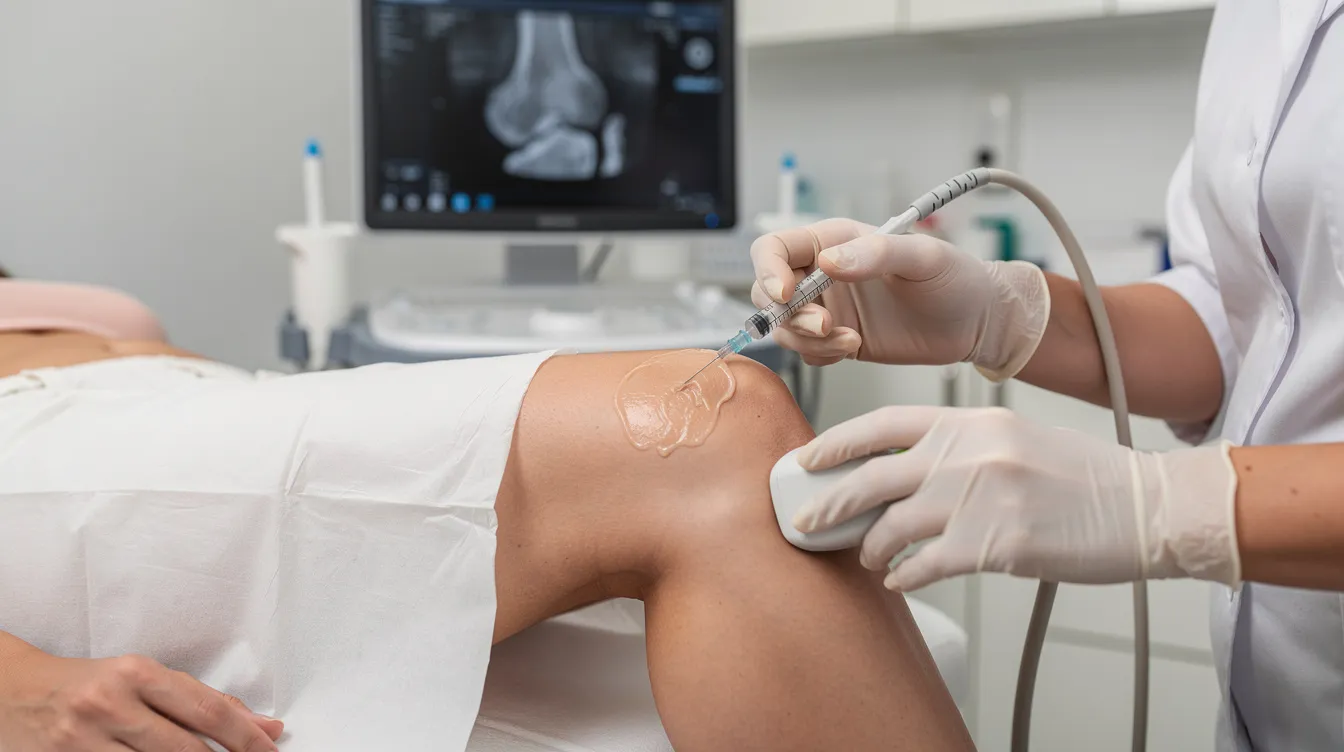
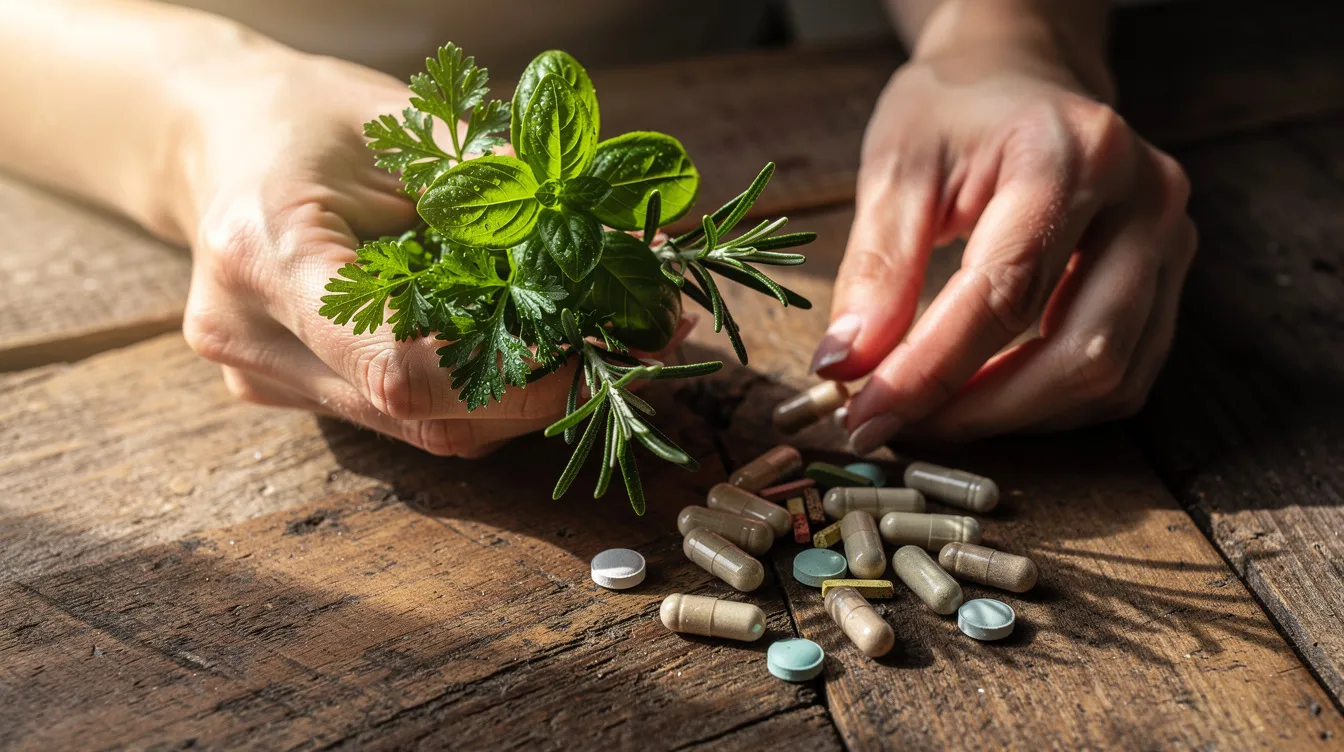
Naturopathy: Ancient Roots, Modern Science & Education at The Master Survivor University
Naturopathy isn’t just another wellness trend—it’s a structured system of healthcare with roots stretching back thousands of years. Today, naturopathic medicine combines time-tested natural therapies with modern laboratory diagnostics to address the underlying causes of illness rather than simply masking symptoms. This article explores what naturopathy actually is, how it evolved, and how The Master Survivor University applies these principles through evidence-informed protocols and professional training programs.
Key Takeaways
Naturopathy is a holistic, root-cause healing system that combines lifestyle modification, nutrition, and natural therapies to support the body’s natural ability to heal. Rather than opposing conventional medicine, it offers a complementary framework for chronic disease management and prevention.
- Modern naturopathy draws from Hippocratic and Ancient Greek healing principles while integrating contemporary lab testing such as Hair Tissue Mineral Analysis (HTMA) and gut microbiome testing.
- The Master Survivor University focuses on evidence-informed naturopathic protocols for chronic disease, gut restoration, and cellular longevity, positioning its approach as complementary to licensed medical care.
- Readers can study naturopathic and Ancient Greek healing through The Master Survivor University’s tiered educational programs and practitioner tracks, from beginner to professional level.
- This article covers safety considerations, regulation, and a FAQ section answering common concerns about naturopathic education and practice.
- Naturopathic medicine emphasizes the identification and removal of the underlying causes of illness rather than merely suppressing symptoms.
What Is Naturopathy?
The textbook definition describes naturopathy as natural, non-invasive, whole-person medicine. At The Master Survivor University, this translates into root-cause investigation guided by modern laboratory science and integrated with Ancient Greek healing wisdom.
Naturopathy is a healthcare philosophy emphasizing identification and removal of underlying causes of illness—nutrient imbalances, gut dysbiosis, chronic stress, or environmental toxicity—rather than suppression of symptoms alone. Naturopathic medicine takes a holistic approach, considering physical, mental, emotional, genetic, environmental, and social factors in patient care.
This isn’t a single therapy. Naturopathic treatments may include a variety of modalities such as herbal medicine, homeopathy, acupuncture, physical medicine, alternative therapies, and lifestyle counseling. Clinical nutrition, botanical medicine, stress and sleep optimization, detoxification support, and bioenergy technologies all fall under this umbrella.
Naturopathy differs from conventional medicine through its focus on prevention and individualized care. However, The Master Survivor University positions naturopathic support as complementary medicine within the broader healthcare landscape, serving as a complement to evidence-based medical care—not a replacement for it.
Naturopathic practitioners range from traditional naturopaths with short-course training to fully trained naturopathic doctors (NDs) with four-year medical programs. A licensed naturopathic doctor is a formally trained and licensed healthcare provider. Legal status varies significantly by country and U.S. state. Naturopathic doctors are trained to diagnose and treat a variety of health conditions.

Historical Roots: From Hippocrates to 21st-Century Naturopathy
While the term “naturopathy” appeared in the late 19th century, its philosophical foundations trace back to Ancient Greece and Hippocrates (c. 460–370 BCE).
Hippocratic medicine emphasized the healing power of nature (vis medicatrix naturae), diet, movement, fresh air, and observation of the whole person. These core ideas became foundational to modern naturopathy. Naturopathic physicians recognize the body’s inherent ability to heal itself and work to remove obstacles to recovery to facilitate this healing process.
Naturopathy has its roots in the 19th-century Natural Cure movement in Europe, which emphasized natural healing methods. The movement emerged particularly in Germany and Austria, incorporating hydrotherapy, sun exposure, simple diets, and outdoor living to restore vitality, while modern practitioners also explore hair trace elements for environmental insights that echo these nature-based approaches.
The term “naturopathy” was coined in 1895 by John Scheel and popularized by Benedict Lust, who is considered the “Father of U.S. Naturopathy.” Lust brought naturopathy to the United States in the early 1900s, introducing hydrotherapy, herbalism, and homeopathy while founding early schools and clinics.
After a period of rapid growth in the early 20th century, naturopathy experienced a decline after the 1930s due to the rise of modern medicine and the Flexner Report, which criticized many alternative medical practices. A documented revival occurred in the 1970s–1990s, driven by public interest in holistic and preventive care.
The Master Survivor University connects Ancient Greek healing concepts—balance, elements, temperaments—to contemporary nutrition, lifestyle, and bioenergetic interventions, translating ancient wisdom into practical modern protocols.
Core Principles of Naturopathic Medicine
Most modern naturopathic schools organize their approach around the six principles of naturopathic medicine that guide assessment and treatment decisions. Naturopathic practitioners are guided by these six principles, creating a unified framework across institutions worldwide.
| Principle | Description |
|---|---|
| First Do No Harm | Use safe, gentle interventions that minimize side effects |
| The Healing Power of Nature | Honor and support the body’s inherent self-healing mechanisms |
| Identify and Treat the Cause | Address root causes rather than suppress symptoms |
| Doctor as Teacher | Educate patients and encourage informed decision-making |
| Treat the Whole Person | Consider all factors affecting health, not isolated symptoms |
| Prevention | Prioritize early detection and proactive health optimization |
| A core principle of naturopathic medicine is to educate patients and encourage self-responsibility for their own health, acknowledging the therapeutic value of the doctor-patient relationship. |
For example, a practitioner might use gentle nutritional rebalancing and gut support before considering more aggressive interventions—while acknowledging that some conditions still require conventional medical intervention.
At The Master Survivor University, these principles manifest through detailed intake forms, lab-guided protocols, lifestyle coaching, and patient education modules integrated into all programs. Wellness is a key principle in naturopathic medicine, defined as a state of being healthy characterized by positive emotion, thought, and action.
The principles encourage collaboration with other healthcare providers, allowing clients to safely combine naturopathic protocols with conventional treatments.
Naturopathic Methods & Modern Diagnostics
Naturopathy today is increasingly data-driven, combining time-tested therapies with advanced laboratory testing and bio-optimization tools.
Core therapeutic areas commonly used by naturopaths include:
- Functional nutrition (macro- and micronutrient balance)
- Botanical medicine and herbal medicine
- Lifestyle modification (exercise, movement, sleep, stress management)
- Detoxification support
- Mind-body practices
- Water therapy and physical medicine
- Other methods such as acupuncture, hydrotherapy, and energetic therapies
A 2020 survey reported that 27% of clients received acupuncture, 22% homeopathy, and 16% other energetic medicines from naturopaths. Commonly prescribed naturopathic therapeutics include botanical medicines, vitamins, minerals, homeopathy, and allergy treatments, as identified in a 2004 survey in Washington state and Connecticut.
Hair Tissue Mineral Analysis (HTMA) measures minerals and toxic metals from a hair sample. The Master Survivor University uses HTMA to design individualized mineral balancing protocols supporting adrenal and thyroid function, and contrasts HTMA findings with blood and urine laboratory tests when creating long-term recovery plans.
Gut microbiome testing involves stool-based analysis of beneficial and pathogenic microbes, digestive markers, and inflammation indicators. This guides Total Gut Restoration protocols offered by The Master Survivor University.
Other functional tests may include blood chemistry panels, organic acids tests, and hormone assessments, with test selection depending on symptoms and client goals; The Master Survivor University also applies Hair Tissue Mineral Analysis for humans and animals when appropriate for a household’s broader wellness plan.
The Master Survivor University also incorporates bioenergy devices—frequency-based or microcurrent technologies—as adjunctive tools for cellular repair, pain modulation, nervous system balancing, and integrative longevity and peptide-based strategies.

What Do Naturopaths Treat & How Do Consultations Work?
Naturopaths frequently address chronic, lifestyle-driven conditions and various illnesses where standard care may offer symptom control but limited root-cause resolution. Naturopathy is effective for managing chronic health conditions and illnesses such as digestive disorders, hormonal imbalances, and chronic pain.
Common health concerns and illnesses include:
- Digestive disorders (IBS, reflux, bloating)
- Metabolic issues (insulin resistance, metabolic syndrome)
- Hormonal imbalances (PMS, perimenopause)
- Fatigue and burnout
- Autoimmune tendencies
- Mild mood imbalances
- Skin conditions
A naturopathic practitioner is often sought out when conventional treatments have failed to address chronic health issues or when patients wish to avoid pharmaceutical drugs. Naturopaths aim to provide treatment that is holistic and tailored to the individual. However, while NDs can function as primary care providers, they are not a substitute for conventional medicine in acute, life-threatening, or emergency situations.
A typical first consultation at The Master Survivor University includes:
- Comprehensive medical history and health history (60–90 minutes)
- Review of diet, sleep, stress, and environmental factors
- Assessment of lab work (HTMA, microbiome testing)
- Creation of a tailored step-by-step protocol
Follow-up visits focus on adjusting nutrition plans, supplements, lifestyle strategies, and bioenergy sessions based on symptom changes. Patients are encouraged to actively participate in their health journey, which can lead to improved self-awareness and life satisfaction. The goal of naturopathic care is to provide effective treatment with minimal side effects, often working collaboratively with other healthcare providers to develop comprehensive health plans.
Naturopathy at The Master Survivor University: Programs & Approach
The Master Survivor University is a specialized institution, founded by Dr. Michael Rudulph Maxon, an expert in naturopathic healing solutions, combining Ancient Greek healing wisdom with modern naturopathic and functional medicine tools for both personal healing and professional training.
Core service pillars include: comprehensive holistic health programs and testing services that integrate diagnostics with step-by-step recovery protocols.
- Personalized healing protocols (including HTMA and gut microbiome testing)
- Total Gut Restoration programs
- Bioenergy healing sessions
- Cellular longevity and bio-optimization strategies
Tiered practitioner education tracks at The Master Survivor University:
| Level | Focus |
|---|---|
| Foundation | Entry-level courses in naturopathy and Ancient Greek medicine |
| Intermediate | Practitioner certifications in functional nutrition and gut restoration |
| Advanced | Mentor-level programs integrating lab interpretation and protocol design |
| Students receive practical training in reading HTMA reports, designing mineral and detox protocols, planning microbiome-based interventions, providing lifestyle advice, and incorporating stress and nervous system regulation techniques. |
The curriculum serves two key audiences: individuals with chronic health challenges seeking self-healing knowledge, and aspiring or existing practitioners wanting to add naturopathic and Ancient Greek tools to their clinical toolkit, while preparing students for roles within the naturopathic profession.
The institution offers online learning, live consultations, case-based mentoring, and access to premium health and wellness recovery products to bridge theory and real-world clinical application.
Education in Naturopathy & How It Compares to Conventional Training
Naturopathic medical education ranges from short online courses to full-time, four-year doctoral programs at an accredited school or accredited naturopathic medical college, creating significant differences in practitioner scope and competency. Only graduates from an accredited school are eligible for licensure in certain jurisdictions.
Naturopathic doctors typically complete a four-year, graduate-level program at an accredited naturopathic medical school, which includes training in basic medical diagnostics and procedures. Typical coursework covers anatomy, physiology, biochemistry, pathology, pharmacology, clinical nutrition, botanical medicine, physical medicine, and supervised clinical internships.
Licensed naturopaths must pass the Naturopathic Physicians Licensing Examinations (NPLEX) after graduating from a program accredited by the Council on Naturopathic Medical Education (CNME). Associations such as the American Association of Naturopathic Physicians and the Association of Accredited Naturopathic Medical Colleges (AANMC) play a key role in advocacy, licensure, and defining standards for the naturopathic profession.
However, the training in CNME-accredited programs includes both conventional medical education and pseudoscientific modalities, such as homeopathy and acupuncture, which has been criticized for lacking scientific rigor.
The Master Survivor University fits into this landscape as a specialized, practice-focused educational institution—not a conventional medical school but a professional training provider in naturopathy, Ancient Greek medicine, and functional lab interpretation.
Graduates are trained to ethically collaborate with licensed healthcare providers, understand medical red flags, and know when to refer clients for conventional diagnostics or emergency care.
Evaluate any naturopathic education based on curriculum transparency, faculty expertise, clinical mentoring opportunities, and emphasis on client safety and scientific literacy.

Evidence, Safety & Regulation in Naturopathic Practice
Naturopathy is a diverse field with both evidence-supported lifestyle and nutrition practices and more controversial modalities that critics label as unproven.
Strong scientific research supports many naturopathic foundations—whole-food nutrition, movement, stress reduction, gut health, and sleep optimization. Evidence for some specific supplements, detoxes, or energetic therapies remains developing.
Naturopathy is criticized for its reliance on unproven, disproven, and controversial alternative medical treatments, which raises concerns about the safety of its practices. Certain naturopathic treatments, such as homeopathy and iridology, are widely considered pseudoscience and may pose risks to patients due to their lack of scientific support.
The Massachusetts Medical Society states that naturopathic practices are a mix of erroneous and potentially dangerous claims, which can undermine patient safety.
The “natural is always safe” misconception is dangerous. Herbs, supplements, and intensive detox protocols can have side effects, interactions, or contraindications, especially in pregnancy, kidney or liver disease, or when taking medications.
Legal regulation varies widely:
- Some U.S. states and Canadian provinces license naturopathic doctors with defined scope of practice
- Other regions treat naturopaths as unregulated complementary providers
- Virgin Islands and other territories have varying regulations
The Master Survivor University promotes a safety-first, integrative health stance: maintaining relationships with primary care physicians, sharing lab results across providers, and avoiding abandonment of essential conventional treatments.
Check local regulations, verify practitioner training, and ask about evidence and potential risks for any recommended therapy.
Naturopathy, Prevention & Long-Term Bio-Optimization
One of naturopathy’s strongest contributions is its focus on prevention, early imbalance detection, and long-term vitality. Naturopathy emphasizes overall wellness to avoid the development of disease.
Regular assessments of diet quality, sleep, stress load, movement habits, and environmental exposures can identify risk patterns years before overt disease diagnosis.
Tools like HTMA and gut microbiome testing detect mineral depletion, mild toxicity, or dysbiosis early, enabling intervention through mineral repletion, nutritional upgrades, and microbiome support.
Naturopathy can be used alongside conventional medicine, particularly for chronic conditions such as hepatitis, addiction, depression, and stress-related disorders, offering a comprehensive, patient-centered approach through holistic recovery and emotional healing methods.
Cellular longevity—supporting mitochondrial function, antioxidant systems, and metabolic flexibility—is achieved through targeted nutrients, movement, breathwork, and bioenergy devices taught in The Master Survivor University programs, aligning with research into the biological hallmarks of aging.
View naturopathic care as an ongoing partnership in building resilience, extending healthspan, and maintaining physical and mental performance into later decades.
Frequently Asked Questions About Naturopathy & The Master Survivor University
Is naturopathy a replacement for my doctor or prescribed medications?
Naturopathy at The Master Survivor University complements conventional medicine rather than replacing it. This is especially important for serious or rapidly evolving conditions like infections, cancer, or cardiovascular emergencies.
Clients are encouraged to maintain regular visits with their primary care physicians and specialists while informing all providers about supplements, herbs, and protocols they follow.
Any decision to change or discontinue prescribed medications must involve the prescribing clinician—not solely naturopathic advice.
What kinds of programs does The Master Survivor University offer for aspiring practitioners?
The Master Survivor University offers a progression of programs: foundational courses in naturopathic philosophy and Ancient Greek healing, intermediate certifications in functional nutrition, HTMA, and gut restoration, and advanced practitioner tracks focused on clinical casework and protocol design.
Programs are delivered primarily online with live mentoring sessions, recorded lectures, case studies, and supervised interpretation of real HTMA and microbiome test results.
Graduates are trained to operate as holistic health and wellness practitioners, coaches, or counselors within local legal scopes while collaborating with licensed medical professionals.
How long does it take to see results from a naturopathic protocol?
Timelines vary based on condition severity, duration of the issue, adherence, and baseline resilience. Most clients notice changes in energy, digestion, or sleep within 4–12 weeks.
Deeper mineral rebalancing via HTMA, microbiome repair, and cellular longevity strategies often unfold over 6–18 months with periodic reassessments and lab re-testing.
View naturopathy as a medium- to long-term rebuilding process with incremental milestones tracked along the way.
Do I need scientific or medical background to study at The Master Survivor University?
No prior medical degree is required for entry-level programs. Foundational tracks are designed for motivated laypersons, wellness enthusiasts, and career-changers with clear explanations of anatomy, physiology, and lab concepts.
More advanced practitioner certifications may recommend familiarity with biology or prior experience in health coaching, fitness, nursing, or related fields.
The curriculum is structured progressively with support materials, glossaries, and mentoring to help students integrate complex ideas into practice.
Is HTMA and gut microbiome testing covered by insurance or done at home?
Hair samples for HTMA and stool samples for microbiome testing are typically collected at home following detailed instructions, then mailed to partner laboratories.
Coverage by public or private insurance varies by country and plan. Many clients currently pay out of pocket, viewing these tests as investments in personalized, preventive care.
The Master Survivor University teaches practitioners how to interpret these tests responsibly and prioritize which tests are most cost-effective based on client history and goals.
Dr. Michael Rudulph Maxon, AKA Johnny Delirious, Laboratory Naturopathic Doctor, gives expert advice rooted in holistic healing principles, drawing on 40 years of professional experience in the health industry. He helps his patients recover and heal using food and Ancient Greek therapies, utilizing organic remedies that are all backed by modern laboratory science. He is unquestionably the only TRUE Addiction & Hepatitis A, B, and C Recovery Pioneer. Free of mood-altering substances (cocaine) since 1991, with no viral load or antibodies of hepatitis since 1994, and no cirrhosis since 1995. Nobody in his life—including doctors, friends, and family—thought he would live past 1992; they all said he was going to die. But, Johnny chose life, not death, and learned how to heal his body, mind, and spirit by developing new protocols with natural therapies, including the thoughtful application of homeopathic remedies where appropriate. For over 20 years, he has helped many others recover, including professionals like doctors, dentists, and lawyers, who prefer alternative medicine over chemical drugs or surgery to address the same conditions that everyone said were hopeless.
Contact Johnny for a Hair Tissue Mineral Analysis (HTMA) to get the right diet, supplements, and expert advice, benefiting from his 30 years of experience in these specialized protocols.
United States - 972-825-7912
http://www.johnnydelirious.com