Colonic Flora: The Complete Guide to Your Colon’s Microbial Ecosystem
Your colon hosts trillions of microorganisms that influence far more than digestion. This dense community of bacteria, fungi, and other microbes—collectively known as colonic flora—shapes immune function, metabolic health, mood, and even disease risk. Understanding this ecosystem is the first step toward optimizing it.
Colonic flora is also referred to as gut microbiota—the microorganisms that live in the digestive tracts of animals, including humans.
Key Takeaways
Colonic flora refers to the dense community of microbes residing in the large intestine, with bacteria dominating at concentrations of 10^11 to 10^12 per gram of fecal matter. This microbial ecosystem functions as a metabolic organ, contributing to digestion, immunity regulation, pathogen defense, and communication along the gut-brain axis.
- Diversity matters: A healthy colon hosts 300–1,000 bacterial species, primarily strict anaerobic bacteria from phyla like Firmicutes and Bacteroidetes. This diversity is shaped from birth by delivery mode, early feeding practices, antibiotic exposure, and long-term dietary patterns.
- Dysbiosis drives disease: Disruption of colonic flora—characterized by reduced diversity, loss of beneficial bacteria, or pathobiont overgrowth—is linked to irritable bowel syndrome, inflammatory bowel disease, obesity, type 1 diabetes, and mood disorders.
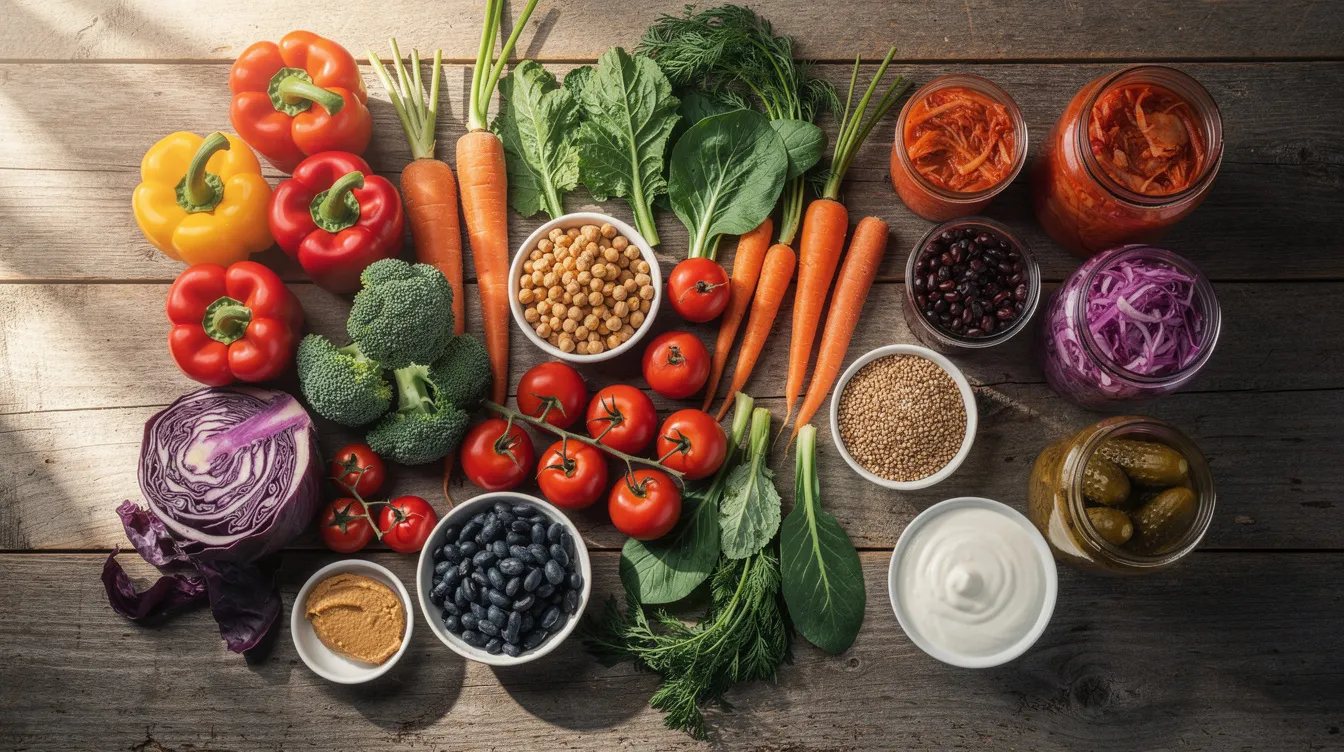
- Practical support exists: You can support healthy colonic flora through a high-fiber diet rich in plant diversity, fermented foods, targeted probiotics and prebiotics, and by limiting unnecessary antibiotic use.
- Personalization through testing: The Master Survivor programs and microbiome testing provide tools to assess your unique colonic flora composition, identify dysbiosis patterns, and personalize diet, lifestyle, and supplement strategies based on actual data rather than guesswork.
What is Colonic Flora?
Colonic flora, also known as gut microbiota, refers to the microorganisms that live in the digestive tracts of animals, including humans. Colonic flora describes the microbial ecosystem inhabiting your large intestine. This community includes bacteria, archaea, fungi, viruses, and protozoa, though bacteria dominate by sheer numbers—comprising over 99% of the total microbial cells in the human colon.
- Dominant bacterial phyla in the colon include Firmicutes (featuring genera like Faecalibacterium, Roseburia, and Ruminococcus), Bacteroidetes (including Bacteroides and Prevotella), Actinobacteria (notably Bifidobacterium), and smaller populations of Proteobacteria. Together, these form the core of the human gut microbiome.
- Colonic vs. small intestinal microbes: The colonic microflora differs markedly from microbes in the upper digestive tract. The colon’s low-oxygen environment favors strict anaerobic bacteria incapable of surviving in the oxygen-rich, rapidly transiting small intestine. Bacterial density in the colon reaches 10^11 to 10^12 organisms per gram, compared to just 10^4 to 10^8 per milliliter in the small intestine.
- Colonization begins at birth: Microbial colonization starts during delivery—vaginal birth seeds the infant with maternal Bifidobacterium and Bacteroides, while cesarean delivery often results in higher Proteobacteria initially. By age 1–2 years, the intestinal microbiota matures to an adult-like profile, then continues adapting to diet, environment, medications, and health status across the lifespan.
- The Master Survivor microbiome stool testing for gut health can map the main bacterial groups present in your individual colonic flora and compare them to reference patterns associated with health, providing a personalized baseline for intervention.
Composition and Diversity of Colonic Flora
A healthy human colon hosts trillions of microbial cells—estimates suggest the human body contains roughly equal numbers of human and microbial cells, with the gut harboring the vast majority. Diversity, measured as both the number of species present and the balance between them, serves as a key marker of microbiome health.
- Common dominant genera in healthy adults include Bacteroides (specializing in fiber breakdown), Prevotella (thriving on plant polysaccharides), Faecalibacterium (a primary butyrate producer with anti-inflammatory properties), Roseburia (contributing to short chain fatty acids synthesis), Ruminococcus (degrading resistant starches), and Bifidobacterium (inhibiting pathogens through acid production).
- Enterotypes represent stable community patterns: Research from large-scale projects like the Human Gut Microbiome Project identified distinct “enterotypes”—for example, Bacteroides-dominant profiles associated with diets high in animal protein and fat, versus Prevotella-dominant profiles prevalent in those consuming plant-based, high-fiber diets. These patterns reflect long-term dietary habits and influence metabolic outcomes.
- Diversity declines under stress: Repeated antibiotic courses, ultra-processed low-fiber diets, chronic psychological stress, sleep disruption, and certain chronic diseases all correlate with reduced bacterial species richness. Studies show antibiotics can cause 30–50% diversity loss persisting for months.
- The Master Survivor programs use microbiome diversity indices such as the Shannon diversity score from stool testing to track improvement over time during dietary and lifestyle interventions, providing objective feedback on whether changes are working while leveraging Total Gut Restoration 3Rs protocols.
Functions of Colonic Flora in Human Health
Colonic flora acts as an extra metabolic organ, contributing to digestion, immune balance, and systemic physiology in ways that directly impact human health. The gut bacteria in your colon perform functions your own cells cannot.
Fermentation and SCFA Production
- Gut microbes ferment 60–100 grams daily of indigestible dietary fiber, resistant starch, and other carbohydrates that escape digestion in the small intestine. This bacterial fermentation produces short chain fatty acids—primarily acetate, propionate, and butyrate—which can supply up to 10% of your daily energy needs.
- Butyrate serves as the primary fuel for colonocytes (intestinal epithelial cells lining the colon), providing approximately 70% of their energy. It also strengthens the gut barrier, reduces colonic inflammation, and exhibits anti-inflammatory effects by modulating immune responses.
Vitamin Synthesis and Metabolite Modification
- Colonic bacteria synthesize essential nutrients including vitamin K (produced by Bacteroides and Eubacterium) and B vitamins (B1, B9, B12 by Bifidobacterium and certain Clostridium species). They also modify bile acids through deconjugation, yielding secondary bile acids like deoxycholate that influence cholesterol metabolism and pathogen resistance.
Pathogen Defense
- A balanced colonic flora protects against pathogens through competitive exclusion—occupying attachment sites on the intestinal epithelium and consuming available nutrients before invaders can establish. Enteric bacteria and beneficial bacteria also produce antimicrobial compounds (bacteriocins, organic acids) that suppress organisms like Salmonella and Clostridioides difficile by lowering colonic pH below 5.5.
Immune System Regulation
- The gut associated lymphoid tissue (GALT) contains approximately 80% of the body’s immune cells. Colonic flora trains the immune system through pattern recognition, promoting IgA production, regulatory T-cell development, and balanced cytokine signaling. This interaction shapes both immune function and immune homeostasis, preventing both chronic infection and autoimmune overreactions.
Gut-Brain and Gut-Organ Axes
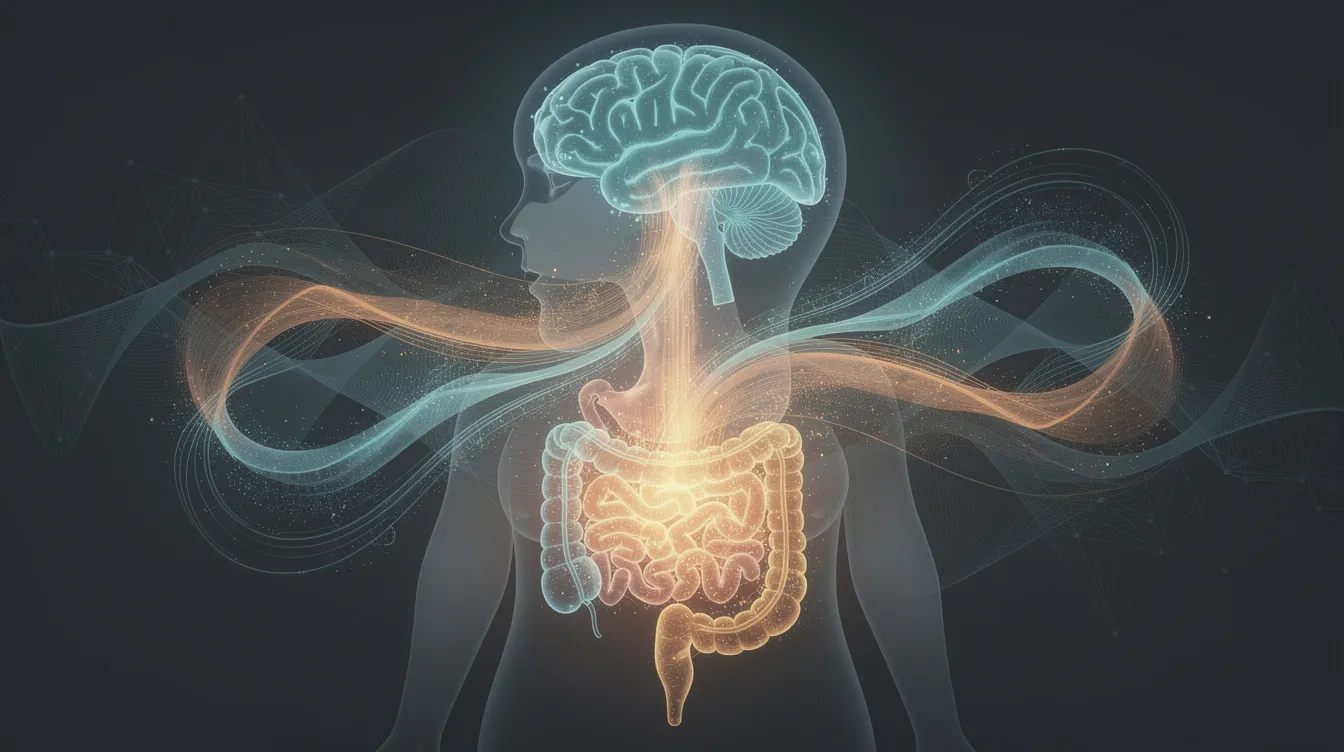
- Microbial metabolites communicate with the central nervous system through the vagus nerve and immune signaling. SCFAs influence blood-brain barrier integrity and mood regulation, while tryptophan metabolites affect the kynurenine pathway involved in neuroinflammation. Remarkably, approximately 95% of the body’s serotonin is produced in the gut.
- The Master Survivor protocols integrate diet, stress management, and targeted supplementation to enhance SCFA production and barrier function, basing recommendations on microbiome testing results rather than generic advice.
Colonic Flora Across the Lifespan and Environment
Colonic flora is dynamic, shifting throughout life stages and responding to environmental exposures. Understanding these patterns helps contextualize your current microbiome status and guides appropriate interventions.
Early Life: The Critical Window
- Birth and infant feeding profoundly shape initial microbial colonization. Vaginal delivery seeds infants with maternal Bifidobacterium and Bacteroides, while cesarean-born infants show higher Proteobacteria and reduced diversity initially. Breastfeeding introduces Bifidobacterium bifidum via human milk oligosaccharides (HMOs), boosting Bifidobacterium to 60–90% of infant flora.
- Antibiotic exposure in infancy carries lasting consequences. Longitudinal studies (including cohorts exceeding 100,000 participants) show that antibiotic courses in the first year of life triple the risk of obesity and asthma later in childhood.
Childhood and Adolescence
- Exposures including infections, urban versus rural living, pet ownership, and dietary transitions continue shaping intestinal colonization patterns. The “Old Friends” hypothesis suggests that exposure to diverse environmental microbes—including soil bacteria—helps build immune tolerance and resilience.
Adulthood
- Adult colonic flora adapts to sustained dietary patterns. High-fiber diets (>30g daily) support Prevotella and SCFA producers, while Western low-fiber diets (<15g) favor potentially pro-inflammatory species like Bilophila wadsworthia. Regular exercise boosts Akkermansia muciniphila 2–4 fold, while sleep disruption and chronic stress shift composition unfavorably.
Aging
- Elderly individuals typically show 20–40% diversity reduction, enrichment of pathobionts like Enterobacteriaceae, and fewer SCFA-producing bacteria. These shifts correlate with inflammaging, frailty, sarcopenia, and cognitive decline in cohorts over 65 years.
- The Master Survivor microbiome testing and coaching can be tailored to age and life stage—focusing on early-life prevention, midlife metabolic resilience, or healthy aging strategies depending on individual circumstances.
Socioeconomic and Lifestyle Influences on Colonic Flora
What you eat, how you live, and the environments you inhabit can measurably reshape your human gut microbiota within weeks. These factors often interact with socioeconomic circumstances.
Dietary Patterns
- High-fiber, plant-rich diets sustain SCFA-producing bacteria and promote diversity. Conversely, low-fiber Western-pattern diets favor less desirable microbial populations and correlate with increased inflammatory markers. The difference can appear in stool microbiome composition within days of dietary change.
Physical Activity and Sleep
- Regular movement correlates with higher microbial diversity and improved metabolic profiles. Adequate, consistent sleep supports circadian rhythm alignment that influences gut motility and microbial feeding patterns. Disrupted sleep has been associated with unfavorable shifts in Akkermansia and other beneficial genera.
Socioeconomic Factors
- Socioeconomic status influences access to fresh, fiber-rich foods, exposure to environmental pollutants, chronic stress levels, and healthcare access—all of which indirectly modulate gut flora. Higher SES often correlates with greater diversity, though higher antibiotic access can offset some of these gains.
Environmental Exposures
- Observational research links common environmental exposures—pesticides like glyphosate, air pollution, household chemicals—with subtle microbiome shifts, including approximately 10% reduction in Firmicutes in some exposure studies.
- The Master Survivor programs assess practical constraints including budget, time, and environment, then use microbiome testing, personalized naturopathic wellness programs, and realistic, stepwise changes that can still improve colonic flora without requiring perfect circumstances.
Direct Defense: How Colonic Flora Inhibits Pathogens
A well-balanced intestinal flora functions as a first-line defense against invading or overgrowing pathogens—a phenomenon called colonization resistance.
Competitive Exclusion
- Resident gut microbes occupy attachment sites on the intestinal epithelium and consume available nutrients, making it physically and metabolically difficult for pathogens to establish. This niche occupation represents passive but powerful protection.
Antimicrobial Production
- Beneficial bacteria produce bacteriocins (antimicrobial proteins), organic acids, and other metabolites that directly suppress pathogens. Lactic acid bacteria like Lactobacillus lower local pH, creating an inhospitable environment for organisms like Salmonella and C. difficile.
Immune Priming
- Specific strains induce tailored immune responses. Certain Bifidobacterium and Lactobacillus species stimulate production of anti-inflammatory cytokines, while segmented filamentous bacteria prime Th17 responses important for mucosal defense against fungal pathogens like Candida albicans.
- Detailed stool analysis within The Master Survivor BiomeFx microbiome home stool test can identify low levels of protective bacteria or overgrowth of potential pathogens, guiding targeted antimicrobial and probiotic strategies to restore colonization resistance.
Immune Development and Colonic Flora
Colonic flora and the intestinal immune system co-develop from birth, establishing lifelong immune tolerance and reactivity patterns. This relationship explains why early microbial exposures matter so much.
Pattern Recognition and Maturation
- Commensal microbes stimulate pattern recognition receptors (PRRs) including Toll-like receptors (TLRs) and NOD-like receptors (NLRs) on epithelial cells and adaptive immune cells. This stimulation drives maturation of GALT and establishes appropriate baseline immune activation.
Immune Balance
- Microbial cues promote production of secretory IgA (which coats and neutralizes pathogens), regulatory T cells (FoxP3+ cells induced particularly by Clostridia species), and a balanced Th1/Th2/Th17 profile. This balance prevents both chronic infection and autoimmune disease.
Evidence from Germ-Free Models
- Germ-free animal models demonstrate underdeveloped immune systems, smaller lymphoid structures, and higher susceptibility to infection and inflammation. Introduction of even limited normal intestinal flora partially restores immune competence.
- The Master Survivor approach views recurrent infections, allergies, and autoimmunity as potential clues to disrupted colonic flora, using microbiome testing and personalized lab-guided health plans to refine immune-supportive interventions alongside conventional care.
Dysbiosis: When Colonic Flora is Out of Balance
Dysbiosis refers to a disturbed microbiome characterized by reduced diversity, loss of beneficial species, or increased pathobionts—microbes that become problematic under certain conditions.
Common Drivers of Dysbiosis
| Driver | Mechanism |
|---|---|
| Broad-spectrum antibiotics | Wipe 30–99% bacterial biomass in 48 hours |
| Low-fiber processed diets | Starve SCFA-producing bacteri |
| Chronic stress | Alters motility, favors Proteobacteria |
| Sleep disruption | Disturbs circadian microbial patterns |
| PPIs and NSAIDs | PPIs raise pH favoring Streptococcus; NSAIDs disrupt mucus |
| Alcohol overuse | Promotes inflammatory bacterial products and permeabilit |
Symptoms Suggestive of Dysbiosis
- Persistent gas, bloating, or irregular stool patterns
- Abdominal pain without clear cause
- Unexplained fatigue or brain fog
- Frequent infections or slow recovery
- Skin flares (eczema, acne) or new food sensitivities
Dysbiosis Patterns Vary
- Intestinal flora imbalance can manifest differently: low butyrate producing bacteria, elevated Proteobacteria, fungal overgrowth, or overrepresentation of opportunistic bacterial species. Each pattern may require different intervention strategies.
- The Master Survivor microbiome testing is designed to detect these specific dysbiosis patterns, and their programs prioritize restoring diversity, SCFA production, and gut barrier integrity rather than simply “killing bad bugs.”
Antibiotics and Their Impact on Colonic Flora
Antibiotics save lives, but they profoundly disrupt human colonic microbiota—sometimes for months or years after the course ends.
Immediate Effects
- Broad-spectrum antibiotics can eliminate 30–99% of bacterial biomass within 48 hours. Sensitive beneficial strains die rapidly, reducing fermentation capacity and often causing antibiotic associated diarrhea as a direct consequence.
Long-Term Consequences
- Diversity rebounds slowly—some populations require 6–12 months to recover, while certain strains may never return without reintroduction. The disturbed ecosystem often allows opportunistic organisms to flourish, including antibiotic-resistant strains (e.g., vancomycin-resistant enterococci after vancomycin use).
- C. difficile infection risk increases 10-fold after clindamycin exposure, representing one of the most dangerous consequences of disrupted colonization resistance.
Childhood Antibiotic Exposure
- Studies show children exposed to multiple antibiotic courses have approximately 15% higher odds of developing obesity. Swedish cohort data and other longitudinal research also link early antibiotic use with increased asthma and allergic disease risk.
Support Strategies
- The Master Survivor programs provide support around necessary antibiotic courses: strategic timing of probiotics (typically starting after the course or at least 2 hours separated from antibiotic doses), increased fermentable fiber during recovery, and follow-up microbiome testing to monitor restoration of diversity and SCFA producers.
Microbiome-Targeted Interventions: Probiotics, Prebiotics, Synbiotics, and More
Not all microbiome interventions are equal. Personalization based on actual colonic flora data can significantly improve results compared to generic approaches.
Probiotics: Strain Specificity Matters
- Probiotics are specific live strains with documented benefits for particular conditions. Lactobacillus rhamnosus GG reduces diarrhea duration by approximately one day in trials. Bifidobacterium longum shows benefits for IBS symptom relief and mood in randomized controlled trials. E. coli Nissle 1917 has demonstrated remission maintenance comparable to mesalazine in ulcerative colitis.
- Generic “probiotic” products without strain-specific evidence may provide little benefit. The genus and species matter less than the specific strain and its documented effects.
Prebiotics: Feeding Beneficial Microbes
- Prebiotics are fermentable fibers that selectively feed beneficial bacteria. Options include:
- Inulin: Boosts Bifidobacterium populations up to 10-fold
- Fructooligosaccharides (FOS) and Galactooligosaccharides (GOS): Selectively support Bifidobacterium
- Partially hydrolyzed guar gum (PHGG): Well-tolerated option for IBS
Synbiotics: Combination Approaches
- Synbiotics combine specific probiotic strains with matching prebiotic substrates designed to work synergistically. A Lactobacillus-inulin formula, for example, provides both the beneficial organism and its preferred fuel source.
Emerging Approaches
- Postbiotics—microbial metabolites or heat-killed organisms—and targeted SCFA blends represent newer approaches for modulating inflammation and barrier function without requiring live organism colonization.
- Fecal microbiota transplantation (FMT) cures approximately 90% of recurrent C. difficile infections, representing the most dramatic example of microbiome replacement therapy.
- The Master Survivor programs integrate these tools only after reviewing microbiome testing and symptoms, matching specific strains and fiber types to deficiencies or overgrowths identified in the colonic flora.

Colonic Flora and Inflammatory Bowel Disease (IBD)
Inflammatory bowel disease—encompassing ulcerative colitis and Crohn’s disease—is strongly associated with altered colonic flora and immune dysregulation. These gastrointestinal diseases represent perhaps the clearest example of microbiome-immune interactions gone wrong.
Microbiome Features in IBD
- IBD patients typically show 30–50% lower microbial diversity compared to healthy controls. Butyrate producing bacteria like Faecalibacterium prausnitzii often fall below 0.5% abundance (versus 5–15% in healthy individuals). Meanwhile, inflammatory taxa including adherent-invasive E. coli and other Proteobacteria increase.
Mechanism: The Vicious Cycle
- Dysbiosis contributes to degradation of the intestinal epithelium’s protective mucus layer, increasing bacterial translocation and triggering uncontrolled immune response activation. Inflammatory cytokines damage tissue, which further disturbs the microbiome, creating a self-reinforcing cycle of colonic inflammation.
Probiotic Evidence in IBD
- Some probiotics show promise for mild-to-moderate ulcerative colitis remission maintenance. E. coli Nissle 1917 demonstrated comparable efficacy to mesalazine in trials. Specific Lactobacillus and Bifidobacterium combinations may help, though responses remain variable across patients.
- The Master Survivor microbiome testing and programs approach IBD support by identifying missing SCFA producers, detecting inflammatory overgrowths, and carefully introducing diet and lifestyle shifts that align with (rather than replace) medical care.
Colonic Flora and Irritable Bowel Syndrome (IBS)
IBS differs from IBD—it lacks the visible inflammation and tissue damage—yet growing evidence links IBS symptoms closely to microbial composition and fermentation patterns in the intestinal microbiome.
Typical IBS Microbiome Findings
- IBS patients often show lower levels of Lactobacillus and Bifidobacterium with increased facultative anaerobes like Escherichia coli. SCFA profiles frequently differ from healthy controls, and methane-producing archaea (Methanobrevibacter) appear elevated in constipation-predominant subtypes.
Mechanisms Linking Microbes to Symptoms
- Rapid fermentation of FODMAP carbohydrates by certain microbial populations produces excess gas, contributing to bloating and abdominal pain. Visceral hypersensitivity may be amplified by bacterial products, and low-grade immune activation at the intestinal cells level can perpetuate symptoms.
Therapeutic Directions
- Individualized low-FODMAP phases can reduce symptoms 50–70% short-term, though prolonged restriction risks diversity loss
- Gradual reintroduction identifies personal triggers
- Targeted probiotics (strain-specific for IBS subtypes)
- Stress and nervous system regulation
- Regular movement
- The Master Survivor programs use microbiome testing to separate IBS patterns (diarrhea-prone versus constipation-prone, high versus low methane producers) and then select specific fiber types, probiotic strains, and nervous system work accordingly.
Colonic Flora, Metabolic Health, and Obesity
Colonic flora influences how many calories you extract from food, how you store or burn energy, and your risk of metabolic diseases including obesity and insulin resistance.
Patterns Linked to Obesity
- Research shows altered Firmicutes-to-Bacteroidetes ratios in obese individuals, with some configurations enabling 10–20% greater caloric harvest from the same food. Changes in bile acid metabolism and SCFA signaling further affect energy homeostasis.
- Strikingly, transplanting gut microbiota from obese mice into germ-free mice induces weight gain, demonstrating the microbiome’s direct causal role in energy balance.
Regulatory Mechanisms
- SCFAs activate receptors (GPR43, GPR41) that regulate gut hormones including GLP-1, influencing appetite and insulin sensitivity. The gut–brain–liver axis integrates signals from bacterial products, nutrients, and bile acids to coordinate metabolic responses.
Lifestyle Interactions
- Low-diversity microbiomes in the context of high-sugar, low-fiber diets and sedentary lifestyles appear to promote weight gain and cravings. This creates a feedback loop where poor diet reduces diversity, which may increase caloric extraction, promoting further weight gain.
- The Master Survivor metabolic resilience programs combine microbiome testing, structured nutrition plans emphasizing dietary fiber and plant diversity, behavior coaching, and peptide-supported longevity and gut protocols to improve colonic flora profiles associated with insulin sensitivity and weight regulation.
Colonic Flora and the Gut-Brain Axis
Gut microbes in the colon communicate with the central nervous system through multiple pathways: immune signaling, vagus nerve activity, and direct transport of microbial metabolites that cross the blood-brain barrier.
Research Links to Mental Health
- Meta-analyses show 20–30% lower microbial diversity in individuals with major depressive disorder. Dysbiosis correlates with anxiety, depression, and cognitive decline, with possible mechanisms including altered SCFA signaling (butyrate boosts brain-derived neurotrophic factor), disrupted tryptophan metabolism, and systemic inflammation.
Animal Model Evidence
- Germ-free mice show hyper-reactive stress responses and anxiety-like behaviors. Introducing normal intestinal bacterial flora or specific probiotic strains can reverse these patterns. The intestinal tract’s microbial composition directly influences blood-brain barrier integrity and neuroplasticity.
Bidirectional Feedback
- Chronic stress alters gut motility, secretions, and microbial composition through cortisol and sympathetic nervous system activation. This creates a self-reinforcing loop: stress dysbioses the gut microflora, and dysbiosis amplifies stress responses.
- The Master Survivor approach integrates nervous system regulation—breathwork, sleep routines, stress reduction practices—with microbiome testing and holistic recovery methods for stress and mood to break gut-brain feedback loops driving symptoms.
Testing Colonic Flora: What Microbiome Analysis Can and Cannot Tell You
Stool-based microbiome testing provides a snapshot of colonic flora composition and inferred function, but it is not a definitive diagnostic for disease. Understanding capabilities and limitations helps set appropriate expectations.
Typical Test Outputs
| Output | What It Tells You |
|---|---|
| Relative abundances of taxa | Which bacteria are present and their proportions |
| Diversity metrics (e.g., Shannon index) | Overall species richness and balanc |
| Inferred metabolic pathways | Predicted SCFA production, bile acid transformation capacity |
| Pathogen/resistance gene detection | Presence of concerning organisms or antibiotic resistance |
Limitations to Understand
- Current science cannot provide precise, personalized prescriptions for every pattern observed
- Many findings remain correlational rather than proven causal
- A single test represents one moment in time—transit time and recent meals affect results
- No universal “healthy benchmark” exists for all populations
Realistic Expectations
- Tests work best for tracking trends over time, identifying extremes (very low diversity, striking overgrowths), and guiding broad therapeutic directions rather than micromanaging single species percentages.
- The Master Survivor microbiome testing is embedded within a broader clinical and coaching context led by naturopathic healer Dr. Michael Rudulph Maxon. Lab data is interpreted alongside symptoms, history, and goals to build a coherent, actionable plan—not just a list of what’s “wrong.”
Practical Steps to Support Healthy Gut Flora
Everyday choices can meaningfully shift colonic flora within weeks. Consistency matters more than perfection, and small changes compound over time.
Dietary Fiber Diversity
- Increase intake of diverse fibers from vegetables, fruits, legumes, whole grains, nuts, and seeds. Aim for variety—different fibers feed different bacterial species.
- Include resistant starch sources: cooled potatoes, greenish bananas, oats, cooked-and-cooled rice
- Tailor fiber introduction to individual tolerance—increase gradually to minimize bloating
Fermented Foods
- When tolerated, include naturally fermented foods: live-culture yogurt, kefir, sauerkraut, kimchi, miso, kombucha
- These introduce beneficial microbes and metabolites that support the intestinal tract
Foods to Limit
- Reduce ultra-processed foods, refined sugars, and excess alcohol
- These favor less desirable microbial populations and increase inflammation markers
Lifestyle Factors
- Regular movement: Even moderate activity correlates with improved diversity
- Adequate sleep: 7-9 hours supports circadian microbial patterns
- Stress management: Chronic stress directly alters gut motility and composition
- Time outdoors: Environmental microbial exposure supports resilience
- The Master Survivor programs and Master Survivor University natural healing education translate these principles into step-by-step, personalized action plans, using periodic microbiome tests to validate changes and adjust recommendations based on objective data.

Rebuilding Colonic Flora After Disruption
Recovery after major perturbations—antibiotic courses, severe gastrointestinal infections, or prolonged restrictive dieting—requires a structured, patient approach.
Phased Recovery Approach
Phase 1: Soothe and Repair (Weeks 1-2)
- Gentle, easily digestible diet
- Stress reduction prioritized
- Avoid irritating foods and excessive fiber initially
- Focus on rest and hydration
Phase 2: Gradual Reintroduction (Weeks 3-8)
- Slowly reintroduce fermented foods
- Gradually increase fiber diversity
- Monitor tolerance and adjust pace
Phase 3: Targeted Support (Months 2-6+)
- Evidence-based probiotics matched to specific deficiencies
- Prebiotic fibers to sustain beneficial populations
- Continue lifestyle optimization
Patience is Essential
- Re-establishing diversity and SCFA production may take months, especially after multiple antibiotic exposures. Some populations require 6-12 months to recover fully, and certain strains may need deliberate reintroduction.
Monitoring Progress
- Track symptoms: stool form (Bristol scale), gas, bloating, energy levels, skin clarity, mood
- Repeat microbiome testing where possible (typically at 3-6 month intervals)
- Adjust interventions based on both subjective improvements and objective data
- The Master Survivor programs provide structured recovery protocols with clear timelines, feedback loops, and retesting, supported by educational resources and media from Master Survivor, to ensure colonic flora is trending in a healthier direction.
Frequently Asked Questions About Colonic Flora: The Complete Guide to Your Colon’s Microbial Ecosystem
How long does it take to improve my colonic flora?
Some changes in gut microbiome composition can appear within 1-2 weeks of dietary shifts—studies show measurable differences in microbial populations within days of switching between high-fiber and low-fiber diets. However, meaningful, stable improvements in diversity and metabolic resilience often require 3-6 months or longer.
- Factors influencing timeline include age, baseline diversity, medication use (especially recent antibiotics), and consistency of interventions
- Recovery after antibiotics typically takes 6-12 months for full diversity restoration
- The Master Survivor programs structure microbiome rebalancing in phases with retesting intervals (typically every 3-6 months) to document progress and adjust protocols
Can colonic flora changes reverse chronic diseases?
Microbiome optimization can significantly support overall health and reduce symptoms, but it is rarely a stand-alone “cure” for complex chronic diseases. The relationship between gut bacteria and conditions like IBD, obesity, or autoimmune disease involves multiple factors beyond microbial composition alone.
- Colonic flora interventions work best when integrated with medical care, appropriate medications, and broader lifestyle changes
- Some conditions (like recurrent C. difficile infection) respond dramatically to microbiome restoration; others show more modest benefits
- The Master Survivor positions microbiome work as a powerful pillar within a comprehensive, evidence-informed strategy rather than a replacement for conventional treatment
Is it safe to do microbiome testing at home?
Most commercial stool collection kits are designed for straightforward home use with stable transport media that preserves samples during shipping. The collection process itself carries minimal risk.
- Follow kit directions carefully—timing, collection technique, and storage affect result quality
- Confirm the testing provider’s privacy and data policies before submitting samples
- The Master Survivor microbiome testing includes detailed guidance on collection, secure data handling, advanced practitioner education through the Doctor Program, and professional interpretation to reduce confusion and misinterpretation of results
Do I need to take probiotics forever once I start?
Probiotics are often most useful as time-limited tools during specific phases—after antibiotic courses, during symptom flare-ups, or while actively rebuilding diversity. Most probiotic strains do not permanently colonize the gut and require continued intake to maintain effects.
- Long-term microbiome health depends more on maintaining supportive diet and lifestyle that naturally sustain beneficial colonic bacteria
- Some individuals benefit from periodic rather than continuous probiotic use
- The Master Survivor plans typically cycle probiotics strategically, using microbiome data and symptom tracking to decide when to introduce, rotate, or taper specific strains
Can I change my colonic flora without strict dieting?
Meaningful change is absolutely possible through gradual, sustainable shifts rather than extreme or highly restrictive dietary approaches. The colonic microbiome responds to incremental improvements.
Simple starting points include:
- Adding one extra serving of high-fiber plant foods daily
- Introducing a small amount of fermented food a few times weekly
- Reducing (not eliminating) ultra-processed food frequency
- Prioritizing sleep and stress management alongside dietary changes
The Master Survivor programs emphasize realistic, individualized changes that fit into daily life while still measurably improving colonic flora over time—because sustainability matters more than perfection.
Your colonic flora represents a dynamic ecosystem that responds to the choices you make daily. Whether you’re recovering from disruption, managing a chronic condition, or simply optimizing long-term health, understanding this microbial community provides the foundation for meaningful intervention. Testing gives you the map; consistent action moves you toward the destination.

Dr. Michael Rudulph Maxon, AKA Johnny Delirious, Laboratory Naturopathic Doctor, gives expert advice rooted in holistic healing principles, drawing on 40 years of professional experience in the health industry. He helps his patients recover and heal using food and Ancient Greek therapies, utilizing organic remedies that are all backed by modern laboratory science. He is unquestionably the only TRUE Addiction & Hepatitis A, B, and C Recovery Pioneer. Free of mood-altering substances (cocaine) since 1991, with no viral load or antibodies of hepatitis since 1994, and no cirrhosis since 1995. Nobody in his life—including doctors, friends, and family—thought he would live past 1992; they all said he was going to die. But, Johnny chose life, not death, and learned how to heal his body, mind, and spirit by developing new protocols with natural therapies, including the thoughtful application of homeopathic remedies where appropriate. For over 20 years, he has helped many others recover, including professionals like doctors, dentists, and lawyers, who prefer alternative medicine over chemical drugs or surgery to address the same conditions that everyone said were hopeless.
Contact Johnny for a Hair Tissue Mineral Analysis (HTMA) to get the right diet, supplements, and expert advice, benefiting from his 30 years of experience in these specialized protocols.
United States - 972-825-7912
http://www.johnnydelirious.com