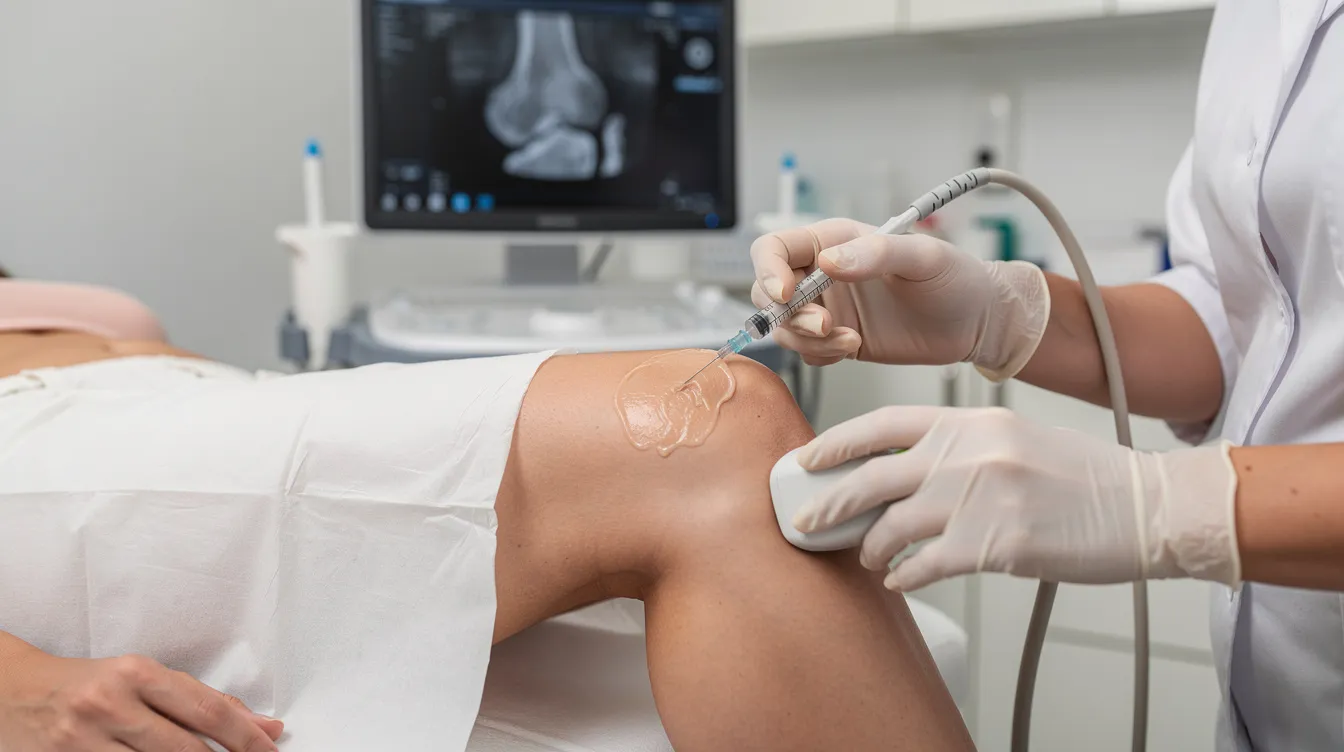
Understanding Stem Cells Therapy: A Holistic Guide to Regeneration, Safety, and Natural Support
The promise of regenerating damaged tissues and reversing chronic disease has made stem cell therapy one of the most discussed topics in modern medicine. With legitimate therapies built on many decades of research and development, the field has seen remarkable breakthroughs. Yet, between these advances and predatory clinics taking advantage of vulnerable patients by making unfounded claims, patients face a confusing landscape. This guide cuts through the noise to help you understand what actually works, what remains experimental, and how to support your body’s own regenerative capacity naturally.
Key Takeaways
- Stem cell therapy, also known as regenerative medicine, uses stem cells to repair diseased, dysfunctional, or injured tissue—but most applications remain experimental
- Currently, the only proven stem cell based therapies are for blood and immune system disorders, including blood cancers like leukemia
- Many clinics offering stem cell treatments make claims that are not supported by current scientific understanding, often targeting vulnerable patients with unproven therapies
- The Master Survivor University does not sell injectable stem cell procedures but focuses on preparing the “internal terrain” through minerals, gut health, and bioenergy so your body’s own stem cells function optimally
- Readers can book a consultation with Dr. Johnny to review lab tests, explore safe integrative options, and receive personalized guidance
What Are Stem Cells? (Clear Definitions First)
Stem cells are the body’s “master cells”—special cells capable of self-renewal and differentiation into specialized cell types, such as nerve cells, muscle cells, and bone cells. Unlike regular body cells that can only divide into copies of themselves, human stem cells possess the unique ability to transform into different tissues throughout your lifetime.
Embryonic stem cells are pluripotent, meaning they can develop into any cell type in the body, while adult stem cells are typically multipotent and can only differentiate into a limited range of cell types. Guiding stem cells to become specific cell types is crucial for effective therapy.
These cells maintain and repair tissues across your entire life. Your blood, skin, and gut lining constantly renew themselves through this process. Hematopoietic stem cells, found in bone marrow, are responsible for producing all the cells that function in the blood, including red blood cells, white blood cells, and platelets. Similarly, tissue-specific stem cells in your skin and intestine replace damaged cells daily, but can only generate specific cells within their native tissue.
Understanding stem cells is central to both conventional regenerative medicine and natural healing approaches that aim to support your body’s own repair capacity.
Major Types of Stem Cells
Different stem cell types vary dramatically in potency, source, and ethical considerations. There are three main types of stem cells: embryonic stem cells, adult stem cells, and induced pluripotent stem cells or (iPSCs).
Embryonic stem cells come from 3-5 day old blastocysts and can develop into any cell type in the body. The use of embryonic stem cells remains controversial due to the ethical implications of using human embryos. A major challenge in stem cells therapy is guiding these cells to differentiate into a single cell type, as the process must mimic the natural signals present during embryonic development to ensure effective therapy.
Adult stem cells (also called somatic stem cells) are found in bone marrow, fat tissue, skin, and organs. Adult stem cells have a limited ability to become different cell types, whereas embryonic stem cells are highly versatile but ethically controversial. Blood stem cells, a specific type of adult stem cell, are well-understood and clinically used in hematopoietic stem cell transplants to treat blood diseases like leukemia by regenerating blood and immune cells. These blood forming stem cells and tissue stem cells are already used clinically with safer profiles.
Induced pluripotent stem cells (iPSCs) are adult cells that have been genetically reprogrammed to an embryonic stem cell-like state, allowing them to differentiate into various cell types. Pioneered by Shinya Yamanaka in 2006, iPSCs offer promise without embryo concerns. Researchers are exploring the use of induced pluripotent stem cells as a way to avoid ethical issues associated with embryonic stem cells, but the reprogramming process is currently inefficient.
Perinatal stem cells from umbilical cord blood and placenta offer intermediate potential, with over 800,000 public cord blood units stored worldwide by 2023.
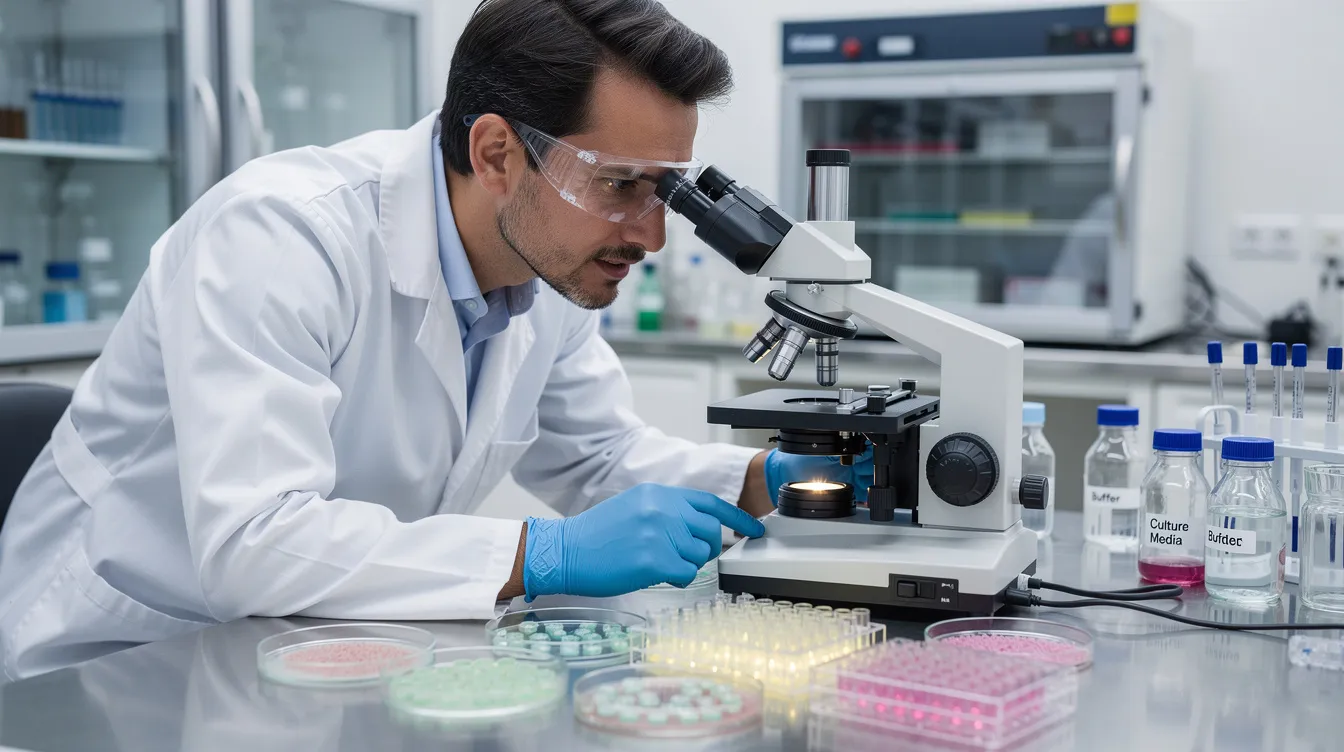
Why Is There So Much Interest in Stem Cell Therapy?
Interest in stem cell therapy surges from its potential to address chronic diseases that damage tissue—heart disease, neurodegeneration, autoimmune conditions, and joint degeneration. The core idea shifts paradigms: repair or replace damaged cells instead of merely suppressing symptoms, especially with modalities like mesenchymal stem cells and their scientific promise.
Hematopoietic stem cell transplants have been used for decades to treat diseases such as leukemia, lymphoma, neuroblastoma, and multiple myeloma. Over 1 million bone marrow transplants have been performed globally, achieving 50-70% cure rates for blood cancers.
Stem cells are being studied to treat a variety of conditions, including type 1 diabetes, Parkinson’s disease, amyotrophic lateral sclerosis, heart failure, and osteoarthritis. Researchers continue exploring whether cells can produce insulin for diabetics, regenerate heart muscle cells after infarction, or replace brain cells lost in Parkinson’s.
Research uses include “disease in a dish” models where researchers grow stem cells from patient iPSCs to test new drugs and study how conditions like Alzheimer’s develop at the cellular level.
Where Do Stem Cells for Therapy Come From?
Stem cells used in clinical or experimental therapies come from the patient (autologous) or from donors (allogeneic).
Autologous sources include:
- Bone marrow aspiration
- Peripheral blood mobilization (using G-CSF)
- Adipose (fat) tissue extraction
These carry reduced immune rejection risk but the use of autologous stem cell treatments carries risks such as contamination with pathogens during the cell removal and manipulation process, which could lead to disease when reintroduced into the body.
Allogeneic sources require careful HLA matching and possible immunosuppression:
- Matched unrelated bone marrow
- Cord blood units from public banks
Perinatal sources—umbilical cord blood and tissue collected at birth—are used primarily for blood-related conditions. The FDA has approved only a limited number of stem cell products, primarily those derived from umbilical cord blood for blood-forming disorders.
Pluripotent stem cells (embryonic or iPSC) remain mostly in tightly regulated research and early-phase clinical trials, not general commercial treatment.
Ethical and Regulatory Considerations
Stem cell sourcing is governed by ethical guidelines, informed consent, and national regulations including NIH policies and FDA oversight in the U.S. National institutes, such as the National Institutes of Health, play a key role in establishing guidelines and regulations for embryonic stem cell research to ensure ethical practices and proper use of donated embryonic stem cells.
The ethical issue around embryonic stem cells involves IVF embryos no longer used for reproduction, requiring explicit donor consent. Adult and perinatal stem cells generally raise fewer ethical concerns but still require rigorous consent, infectious disease screening, and quality standards.
Any injectable or transplant stem cell therapy should occur within approved or properly registered clinical trials or established hospital procedures—not casual wellness settings.
Proven vs. Investigational vs. Unproven Stem Cell Therapies
Understanding these three categories helps patients recognize what they’re actually being offered.
Proven therapies: Primarily hematopoietic stem cell transplants for blood cancers and immune system disorders. Bone marrow transplantation has decades of outcome data and formal approvals. These treat patients with non hodgkin lymphoma, multiple myeloma, and certain immune deficiencies.
Investigational therapies: Treatments in Phase I-III clinical trials under regulatory supervision at academic centers. Examples include stem cell-derived retinal cells for macular degeneration and dopaminergic neurons for Parkinson’s. Developing stem cell therapies involves a lengthy, multi-step process that includes growing the right cell type, ensuring safety in animal models, and conducting human trials.
Unproven procedures: Private clinic offerings not backed by controlled trials or regulatory approval. Legitimate stem cell therapies are typically those that have been approved by the FDA or are part of regulated clinical trials, while unproven procedures lack such validation and oversight.
Unproven stem cell procedures can lead to harmful complications that may worsen a patient’s condition. Many applications of stem cell therapy are still considered experimental and lack long-term efficacy studies.
Recognizing Red Flags and Stem Cell Tourism
Stem cell tourism refers to the practice of traveling to receive unproven stem cell treatments, which can be dangerous and are often marketed by predatory clinics that exploit vulnerable patients.
Red flags to watch for:
- Broad claims to treat many unrelated diseases with one cell product
- Lack of peer-reviewed evidence
- Pressure sales tactics
- High out-of-pocket costs ($10,000-$50,000)
- No discussion of risks
Over 20 reported blinding cases have resulted from unregulated retinal injections. Patients who receive unproven stem cell treatments may become ineligible for future clinical trials or treatment options, as these experimental procedures can complicate their medical history.
Always verify treatments on ClinicalTrials.gov and confirm association with recognized hospitals or universities. The International Society for Stem Cell Research (ISSCR) provides guidelines for evaluating clinic claims.

How Stem Cell Therapy Works in the Body
Cell therapy aims to replace missing cells, modulate inflammation, or release healing signals through paracrine effects. Stem cells can differentiate into specialized cell types, offering potential treatments for cancer, autoimmune diseases, joint injuries, and neurodegenerative conditions. Recent research in regenerative medicine is also exploring concepts like time cells, which represent an emerging area of investigation into how cellular timing and memory may influence tissue repair and regeneration.
Replacement models: Lab-grown cells differentiated into heart cells, insulin-producing beta cells, or retinal pigment epithelium, then transplanted cells into damaged tissue to restore normal function.
Immunomodulatory models: Mesenchymal stem cells (MSCs) can be used in alternative therapies that provide non-invasive options for chronic pain and joint injuries. Stem cell therapy can reduce chronic inflammation and modulate the immune response, providing relief for conditions like osteoarthritis and rheumatoid arthritis.
Cells can act like tiny “pharmacies,” secreting growth factors and exosomes that influence local repair without permanently engrafting. Stem cells are often injected into damaged areas or infused intravenously to treat blood disorders and promote healing.
One of the biggest challenges in developing stem cell therapies is coaxing stem cells to differentiate into a specific cell type, which requires mimicking the signals they would receive in a developing embryo.
Potential Risks and Safety Considerations
All real medical interventions carry risks, even when performed in reputable centers.
Common medical risks:
- Infection and bleeding
- Graft-versus-host disease for allogeneic transplants
- Immune rejection
- Need for long-term immunosuppression
Pluripotent stem cells carry an inherent risk of uncontrolled growth, potentially leading to tumor formation if immature other cells remain in the product. The path from laboratory research to clinical application for stem cell therapies is complex and often requires extensive preclinical data to demonstrate safety and efficacy before human trials can begin.
Stem cell therapies must be developed under good manufacturing practice (GMP) conditions to ensure that each batch of cells has the same properties and that patients receive equivalent treatments. Ask clinicians about regulatory status, manufacturing standards, safety data, and long-term follow-up plans before proceeding with any cell treatments.
Supporting Your Own Stem Cells Naturally: The Master Survivor University Perspective
The Master Survivor University focuses on optimizing the body’s innate stem cell activity and tissue regeneration capacity through naturopathic and Ancient Greek-inspired approaches—not selling injectable cell products, as outlined in The Master Survivor University natural health education and healing programs.
The concept of “terrain medicine” involves creating a mineral-rich, low-toxin, well-oxygenated internal environment that allows endogenous healthy stem cells to repair different tissues effectively. Chronic issues like fatigue, autoimmune tendencies, and digestive problems often correlate with mineral imbalances, gut dysbiosis, and mitochondrial dysfunction that blunt natural regenerative processes.
Many clients use Master Survivor programs as a foundation either instead of, or alongside, conventional regenerative therapies recommended by their hospital specialists.
Hair Tissue Mineral Analysis (HTMA) and Cellular Regeneration
HTMA analyzes mineral and toxic metal patterns in a small hair sample over roughly 90 days, revealing your body’s biochemical terrain, much like the Hair Tissue Mineral Analysis service for humans, equines, and canines.
Mineral status—magnesium, zinc, copper, calcium, sodium, potassium—links directly to enzyme systems driving DNA repair, stem cell division, and mitochondrial energy production. HTMA reveals patterns related to adrenal stress, thyroid slowdown, blood sugar instability, and hidden heavy metal burdens hindering healing.
Example: A 45-year-old with chronic fatigue and musculoskeletal pain showed a “four-lows” pattern on HTMA (low sodium, potassium, copper, zinc). After six months of targeted mineral repletion and detox protocols, HTMA shifted to a healthier pattern correlating with 40% pain reduction and vitality gains.
The Master Survivor University uses HTMA results to build personalized protocols improving baseline regenerative potential—helping more stem cells function optimally and illustrating the value of hair mineral analysis compared with blood and urine tests.

Gut Microbiome Testing and Total Gut Restoration
Gut health connects directly to systemic inflammation, immune regulation, and tissue repair capacity. Advanced stool and microbiome profiles, such as comprehensive stool testing for mastering gut health, detect dysbiosis, leaky gut markers, digestive insufficiencies, and pathogens keeping the immune system in constant overdrive.
The Master Survivor University’s “Total Gut Restoration” approach uses staged protocols including targeted antimicrobials, probiotics, prebiotics, and mucosal healing nutrients adapted to lab findings, paralleling its Total Gut Restoration 3Rs program.
A quieter, better-regulated immune system allows your body’s own repair cells—including tissue stem cells—to work efficiently instead of being consumed by chronic, low-grade inflammation. Gut work is often a prerequisite in Master Survivor programs before clients pursue external regenerative procedures, ensuring benefits prove more durable, and this is supported by advanced microbiome home stool testing with BiomeFx.
Ancient Greek Healing, Bioenergy, and Cellular Longevity
The Master Survivor University integrates Ancient Greek healing principles—balance of elements, dietetics, movement, breath—with modern cellular science.
Bioenergy devices and energy-medicine techniques improve microcirculation, tissue oxygenation, and nervous system regulation—all critical for stem cell homing and new tissue repair. Lifestyle foundations rooted in classical teachings include seasonal eating, circadian rhythm alignment, and mindful movement supporting long-term cellular longevity.
While these methods don’t replace evidence-based medical stem cell therapies, they create more receptive “soil” for any seeds of regeneration. Bio-optimization—optimizing minerals, gut, sleep, light exposure, and subtle energy flow—extends healthspan and resilience and aligns with understanding the biological hallmarks of aging in natural medicine.
Master Survivor Programs and How We Work With Stem Cell Therapy
Master Survivor programs are tiered educational and healing tracks for individuals and practitioners wanting structured guidance in natural regeneration and chronic disease recovery, reflecting The Master Survivor University’s path to natural healing education.
Programs combine remote education modules with personalized consultations, lab interpretation (HTMA, microbiome, other functional tests), and protocol design, mirroring the approach to optimizing a naturopathic health plan with personalized lab testing. While The Master Survivor University doesn’t inject or harvest stem cells, the curriculum teaches students and clients how to support their own stem cell health through nutrition, detoxification, stress management, and bioenergy practices.
Some participants use programs to prepare for or recover from hospital-based procedures such as orthopedic surgeries or evidence-based stem cell transplants, collaborating with their healthcare providers and primary physicians, often through TMS health and wellness programs in the Master Survivor framework.
How to Contact Dr. Johnny for a Stem-Cell–Focused Consultation
Readers can book a one-to-one consultation with Dr. Johnny to discuss health history, existing diagnoses, and interests in safe stem cell or regenerative strategies, a process described in his work Hope is a Molecule.
Contact pathways:
- Online booking: mastersurvivoruniversity.com/booking
- Email: info@mastersurvivoruniversity.com
Consultations typically include review of current medications and diagnoses, discussion of proposed stem cell or regenerative treatments from other providers, and creation of a terrain-focused plan including HTMA and gut testing.
Dr. Johnny doesn’t replace oncologists, hematologists, or surgeons but collaborates from a naturopathic and educational standpoint to improve outcomes and minimize risk. Prepare lab results, supplement lists, and questions ahead of time for efficient, deeply personalized sessions.

Frequently Asked Questions About Stem Cell Therapy and The Master Survivor University
These FAQs address common questions focusing on safety, access, timing, and how our programs integrate with medical care.
Does The Master Survivor University provide stem cell injections or transplants?
No. The Master Survivor University doesn’t perform or sell stem cell injections, bone marrow transplants, or surgical procedures. The institution focuses on education, lab-guided naturopathic protocols, and bioenergy support to enhance the body’s own regenerative capacity. Those considering invasive stem cell procedures should work with hospital-based specialists, using Master Survivor programs as complementary support.
Can natural methods really increase my stem cell numbers or effectiveness?
While no food or supplement is an approved stem cell “drug,” emerging research suggests sleep quality, exercise, fasting patterns, mineral sufficiency, and gut health influence stem cell activity and tissue repair. The Master Survivor approach improves known prerequisites for regeneration rather than promising direct increases in specific stem cell counts. Expect slow, steady improvements in long-term resilience—not overnight cures.
How do I know if a stem cell clinic I found online is safe?
Check whether treatment options are part of registered clinical trials or recognized hospital programs. Ask for peer-reviewed publications supporting new treatments. Critical questions include: regulatory status, cell source, processing standards, expected benefits, documented risks, total cost, and follow-up care plans. Consider booking a neutral consultation with Dr. Johnny to review clinic information together.
Can I enroll in a Master Survivor program if I’m already under cancer or autoimmune treatment?
Many participants work with oncologists, rheumatologists, or other specialists while using Master Survivor programs to support nutrition, detoxification, emotional resilience, and regeneration. Coordination with conventional providers is strongly encouraged—clear supplement or protocol changes with your primary medical team. Dr. Johnny tailors recommendations to align with chemotherapy, biologics, or transplant timelines prioritizing safety.
How soon should I start terrain optimization if I’m considering a future regenerative therapy?
Start foundational work—HTMA, gut repair, stress regulation—at least several months before elective regenerative procedures when possible. Even if a procedure is imminent or completed, terrain support aids recovery and long-term tissue health. Contact Dr. Johnny promptly if you have dates from surgeons or transplant teams so a coordinated plan addressing different diseases and conditions can be built.
Dr. Michael Rudulph Maxon, AKA Johnny Delirious, Laboratory Naturopathic Doctor, gives expert advice rooted in holistic healing principles, drawing on 40 years of professional experience in the health industry. He helps his patients recover and heal using food and Ancient Greek therapies, utilizing organic remedies that are all backed by modern laboratory science. He is unquestionably the only TRUE Addiction & Hepatitis A, B, and C Recovery Pioneer. Free of mood-altering substances (cocaine) since 1991, with no viral load or antibodies of hepatitis since 1994, and no cirrhosis since 1995. Nobody in his life—including doctors, friends, and family—thought he would live past 1992; they all said he was going to die. But, Johnny chose life, not death, and learned how to heal his body, mind, and spirit by developing new protocols with natural therapies, including the thoughtful application of homeopathic remedies where appropriate. For over 20 years, he has helped many others recover, including professionals like doctors, dentists, and lawyers, who prefer alternative medicine over chemical drugs or surgery to address the same conditions that everyone said were hopeless.
Contact Johnny for a Hair Tissue Mineral Analysis (HTMA) to get the right diet, supplements, and expert advice, benefiting from his 30 years of experience in these specialized protocols.
United States - 972-825-7912
http://www.johnnydelirious.com