HTMA Testing: Understanding Stress Levels
Introduction
This page explains how HTMA testing can reveal your stress levels and mineral imbalances, helping you understand your metabolic type and take steps toward better health. Whether you’re struggling with fatigue, anxiety, or chronic health issues, learning about HTMA can provide valuable insights. Read on to discover how this non-invasive test works, what it measures, and how it can guide your wellness journey.
HTMA testing (Hair Tissue Mineral Analysis) is a non-invasive test that measures over 30 essential and toxic minerals from a small hair sample, providing insights into long-term mineral imbalances and toxic exposure. HTMA offers a metabolic blueprint of mineral status over the previous 2–3 months, unlike blood tests which provide a snapshot of current levels. This page will explain how HTMA testing works, what it reveals, and how it relates to stress and health.
Elements Measured in HTMA
In the Hair Tissue Mineral Analysis (HTMA), the biological activity of 37 Elements is measured. They are: 15 important Nutritional Elements, 8 Toxic Heavy Metals, 14 Trace Elements. With the information of the HTMA, we now know what is available and being used in the body or what is lacking. Health begins to deteriorate when cell metabolism does not have the right foods and elements it needs. A mineral imbalance follows. Over time, function goes down and structure begins to lose its integrity. With the right foods and a balance of elements on a daily basis the body’s cells will repair and reverse aging.
HTMA Testing and Stress Levels
HTMA testing (Hair Tissue Mineral Analysis) provides a unique window into your stress levels by analyzing mineral patterns in your hair. Hair Tissue Mineral Analysis (HTMA) is a non-invasive test that measures over 30 essential and toxic minerals from a small hair sample, providing insights into long-term mineral imbalances and toxic exposure. Stress levels, whether acute or chronic, are shown in the sub-categories of the metabolic types. Developed by Hans Selye, these are the alarm, resistance, recovery and exhaustion stages. The HTMA will show the metabolic typing and indicate these different degrees of stress making it easier to determine and utilize specific therapy to work with. Within these categories we are using nutritional support (both with food and supplementation) that helps lower stress and working in harmony with the body. The following is a brief:

Fast Metabolism - Sympathetic Dominance
This is linked to excessive sympathetic nervous activity. Some dominant features are seen as Fast Oxidation and the Type A personality. This condition increases the availability of glucose for rapid metabolism via epinephrine release from the adrenal medulla. This stimulates other areas of the body and can increase the metabolic rate as much as 100%.
Very often the fast metabolizer will not complete the Krebs cycle in cell respiration and many times remain in the state of glycolysis. High tissue acidity and low pancreatic enzyme have also been noted. Both physical and emotional stress is observed and seen with elevated blood pressure and excessive perspiration, like sweaty hands, and similar patterns can be evaluated through Hair Tissue Mineral Analysis for humans, equines and canines.
Fast Metabolism Type 1
Increased adrenal activity and thyroid function - increased energy levels. Could experience alarm, resistance or recovery stages of stress.
Fast Metabolism Type 2
Increased adrenal cortical activity and lowered thyroid function. Dramatic energy fluctuations, mood swings.
Fast Metabolism Type 3
Decreased adrenal cortical activity with increased thyroid function
Resistance or exhaustive stage of stress, if chronic it can result in depression, irritability
Fast Metabolism Type 4
Decreased adrenal activity and decrease thyroid glandular function. Exhaustive stage, extreme fatigue, depression and anxiety.
Now, let’s look at how slow metabolism presents and what it means for stress and mineral balance.
Slow Metabolism - Para-Sympathetic Dominance
Glucose is metabolized at a reduced rate, coupled with Slow Oxidation. This Type B personality can run the risk of normal energy levels becoming inadequate. This is a result of the inability to split glucose to form adequate amounts of pyruvates and oxaloacetic acid in the glucose cycle; and this leads to the inability to produce citric acid in the Krebs cycle. Low HCL and tissue alkalinity is a prominent occurrence.
Many slow metabolizers are very methodical, seen as perfectionists who will start projects and see them through to completion. If over extended with scheduling and as work pressure builds, stress is their worst enemy, fatigue and depression will follow.
Slow Metabolism Type 1
Decreased adrenal medullary activity and decreased thyroid function Can experience any one of the four stages of stress.
Slow Metabolism Type 2
Increased adrenal cortical activity and decreased thyroid function Alarm stage of stress. mood swings
Slow Metabolism Type 3
Decreased adrenal cortical activity and increased thyroid function Resistance or exhaustion stages of stress – depression or irritability
Slow Metabolism Type 4
High adrenal activity in conjunction with elevated thyroid function. Acute alarm stage that has progressed into the resistance stage.
Understanding these metabolic types helps us recognize the signs of mineral imbalances and stress, which we’ll explore next.
Common Signs That May Point to Mineral Imbalances
You may be wondering if your own symptoms relate to mineral imbalances and stress. Here are some issues often tied to metabolic type and mineral status:
- Adrenal fatigue and burnout
- Anxiety, irritability, mood swings, or depression
- Brain fog and trouble concentrating
- Fatigue and low energy
- Brittle nails, hair loss, and skin issues
- Insomnia, headaches, or muscle weakness
- Digestive problems and impaired detoxification
- Weight changes and thyroid issues
- Joint pain, immune challenges, and more
The Role of Key Minerals in Stress and Health
Deficiencies in key minerals such as magnesium, calcium, and zinc can contribute to symptoms like poor sleep, anxiety, muscle cramps, and digestive issues.
These symptoms are the body’s way of signaling that something deeper is out of balance. HTMA can shine a light on those hidden imbalances, giving you the roadmap to restore equilibrium and can be combined with a naturopathic health plan optimized with personalized lab testing. Minerals such as potassium and iron are also critical for energy, muscle, and immune system function, and imbalances in these can contribute to chronic fatigue and other health issues. Zinc supports immune system health and wound healing, while iron is essential for oxygen transport and energy.
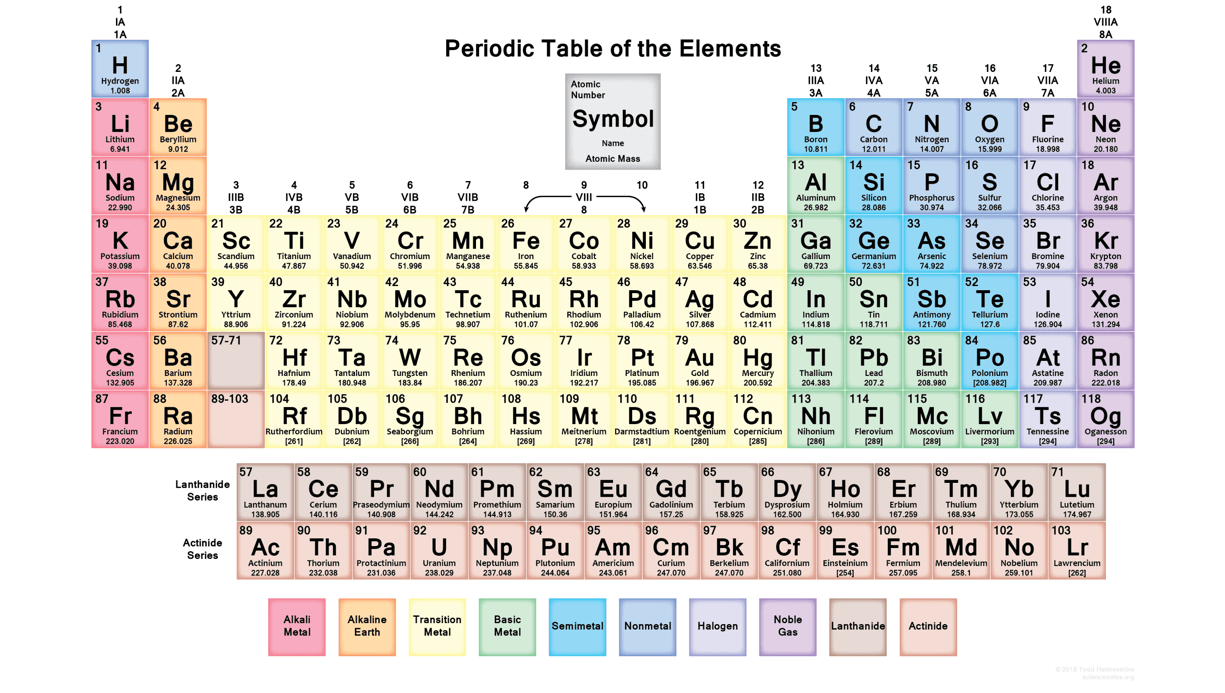
Have you ever looked at the Periodic Table of Elements? These elements make up everything in the universe! Everything; including us. In fact, we are the microcosm of the macrocosm. In Biblical terms, we are made in God’s image. In chemistry, we are composed mostly of about 40 elements on the Periodic Table, and even hair trace elements environmental and archeological studies highlight how these minerals record our interaction with the world around us. Our make up is essentially the combination of elements made flesh, with the spark of spirit that gives us life.
Elements Measured in HTMA
In the Hair Tissue Mineral Analysis (HTMA), the biological activity of 37 Elements is measured. They are: 15 important Nutritional Elements, 8 Toxic Heavy Metals, 14 Trace Elements. With the information of the HTMA, we now know what is available and being used in the body or what is lacking. Health begins to deteriorate when cell metabolism does not have the right foods and elements it needs. A mineral imbalance follows. Over time, function goes down and structure begins to lose its integrity. With the right foods and a balance of elements on a daily basis the body’s cells will repair and reverse aging.
What Does the HTMA Test Interpretation Offer?
The HTMA test interpretation is not just a stack of numbers—it’s your personal blueprint for restoring and maintaining vibrant health. The comprehensive report delivers much more than just your levels of various minerals and metals. Proper interpretation of HTMA results requires looking beyond isolated numbers or single values; instead, it focuses on mineral ratios and patterns for a more accurate understanding. Mineral ratios, such as calcium-to-magnesium and sodium-to-potassium, provide insights into metabolic patterns and stress responses, making them crucial for understanding HTMA results and are a core part of the Master Survivor health and wellness programs. Contextual interpretation of mineral ratios, such as calcium-to-magnesium and sodium-to-potassium, provides deeper insights into metabolic health and stress responses. HTMA is a trend-based tool and should not be viewed as a single-result diagnostic test, but rather as a functional assessment that reveals ongoing patterns and relationships. HTMA results should be interpreted as a trend-based tool rather than a single-result diagnostic test, emphasizing the importance of understanding mineral ratios and relationships. Here’s what you’ll get:
- A full analysis of your metabolic type, energy levels, and autonomic nervous system balance.
- Detailed dietary guidelines, including tailored supplement suggestions and essential nutrient support.
- Three transition diet options, packed with sample menu plans designed specifically for your biochemistry.
- Practical advice on food selection, grocery shopping, cooking methods, and meal preparation to help you put your results into action.
- Step-by-step support to shift habits for lasting change—because knowledge is only power when you use it.
Armed with this interpretation, you’ll have the tools to optimize your health, make smarter choices in the kitchen, and enjoy vitality from the inside out.
Now that you know what the HTMA interpretation offers, let’s see how to collect your hair sample for testing.
Collecting Your Hair Sample for HTMA
So, how exactly do you gather this magical sample for your Hair Tissue Mineral Analysis? It’s remarkably simple. Snip a small hair sample—about half a tablespoon—ideally from the nape of your neck, as close to the scalp as possible. The first inch of hair is key, since it reflects your most recent mineral activity. Hair samples, when collected properly, provide a long-term record of mineral content and toxic exposure, as minerals and toxins are deposited in the hair follicle.
Make sure your hair is clean (free from styling products, gels, or sprays) and hasn’t been chemically treated recently. Hair dyes and chemical treatments can affect test accuracy, so untreated hair is preferred. If your hair is colored or permed, just wait for about 6 weeks of growth so you can use untreated hair. Place the sample in a clean paper envelope—avoid plastic, since it can cause static electricity and contamination.
That’s it! This small, painless step provides a treasure trove of data about your body’s elemental balance and metabolic state. HTMA is a non-invasive test that measures over 30 essential and toxic minerals from a small hair sample, offering insights into long-term mineral imbalances and toxic exposure.
The HTMA will show:
- How to avoid disease states
- Any toxic or heavy metal overload
- A complete profile of 37 different elements
- The correct diet schedule based on your biochemistry
Once you’ve collected your sample, you’re ready to discover what’s included in the HTMA packages.
What’s Included in the Basic and Premium HTMA Packages?
Both packages set you on the path to vibrant health by measuring your unique balance of 37 nutritional and toxic elements. This mineral test analyzes both essential minerals and toxic elements, including key minerals like magnesium, calcium, zinc, copper, sodium, and potassium. The basic HTMA package provides your detailed laboratory analysis—your elemental blueprint. You’ll receive:
- A comprehensive laboratory report showing your levels of 15 key nutritional elements, 8 heavy metals, and 14 lab trace elements, giving you a complete picture of your mineral content and long-term exposure.
- Your metabolic type overview.
- Personalized dietary recommendations based on your current biochemistry.
HTMA is a unique tool for understanding nutritional and environmental health over time, as it reflects long-term exposure to trace element minerals and toxic elements.
If you want to go deeper, the premium HTMA package offers everything above, plus a one-on-one consultation. You’ll get:
- A 45-minute individualized session with me to review your results and answer your health questions.
- Expert interpretation of your mineral patterns and health tendencies.
- Actionable next steps tailored specifically for you—whether it means dietary shifts, targeted supplementation, or lifestyle strategies.
Whether you choose basic or premium, both packages give you the roadmap to nourish your body’s foundation with clarity and confidence.
Contact Johnny to order your HTMA today - $226 USD
Next, let’s explore how HTMA stands apart from other common testing methods.
How HTMA Stands Apart from Blood and Urine Testing
So what makes
Hair Mineral Analysis vs. Blood & Urine Tests such a valuable topic—especially compared to your standard blood and urine tests? Let’s peel back the layers:
- A Longer-Term Window into Your Health
Blood testing provides a snapshot of current mineral levels and may show normal levels even when tissue mineral deficiencies or toxic metal accumulation exist, due to the body's homeostatic regulation. Urine tests, similarly, indicate what your body is currently excreting. In contrast, hair mineral analysis (HTMA) and hair analysis provide a long-term record of mineral levels, toxic metals, and toxic minerals, revealing patterns of chronic exposure, ongoing exposure, and excess minerals that may not be visible in blood tests. Hair analysis can uncover long term exposure to environmental toxins, chronic exposure to heavy metals, and mineral imbalances that develop over time, offering insights into your environmental health and potential occupational exposure. - A Cellular Blueprint, Not Just Fluid Fluctuations
Most metabolic action takes place deep inside our cells—not simply in blood or urine. While routine lab tests are vital, they only survey the body’s fluids. HTMA, on the other hand, serves as a blueprint for what’s truly being utilized and stored in your tissues. The analysis of hair samples can reveal patterns of mineral deposition that are not visible in blood tests, as hair provides a historical record of mineral levels and potential toxic metal exposure. Through decades of research (and practical use by pioneers in the field, like Analytical Research Labs and Trace Elements, Inc.), it’s been established that the mineral patterns revealed in your hair align closely with what’s happening throughout your organs and tissues. - Clinical Relevance
Because minerals are the key regulators for enzymes, hormones, and countless biological systems, an HTMA report doesn’t just tell us what’s floating around—it uncovers which patterns deviate from normal and where your metabolism could use support. HTMA can detect mineral deficiencies, metal levels, and toxic metal exposure—including heavy metals like lead, mercury, cadmium, and arsenic—that accumulate over time and may cause serious health problems. High levels of toxic metals and toxic minerals can result from environmental health factors, occupational exposure, contaminated water, and certain foods (especially large fish). Proper interpretation of HTMA results requires looking beyond isolated values or single numbers, focusing instead on patterns, mineral ratios, and relationships to accurately assess mineral imbalances and toxic exposures.
When you want the whole story of your body’s mineral status—and not just a single fleeting chapter—HTMA delivers the big picture.
Now, let’s see what extra support you get with the premium HTMA package.
What You Get with the Premium HTMA Package
While both packages provide you with your personal HTMA results and a complete profile of your elemental makeup, the premium package takes your journey a step further. You’ll receive a one-on-one, 45-minute consultation—either virtually or in person—where an experienced practitioner will walk you through your results in depth.
This added support ensures you truly understand your mineral analysis, so you can make targeted changes to your diet, lifestyle, and supplementation. Personalized guidance based on your biochemistry means you’re not left to guesswork—you get expert insights, actionable steps, and the clarity you need to move forward with confidence.
After learning about the packages, you might wonder how long it takes to get your results.
When to Expect Your HTMA Results
Once your hair sample is submitted, you can typically expect your comprehensive HTMA report within about two weeks. This timeframe allows for accurate laboratory analysis and ensures you receive a detailed, personalized interpretation of your mineral and toxin profile. Best Selling author Johnny Delirious worked with one of the first pioneers to use the scientific modality - Hair Tissue Mineral Analysis (HTMA), to get the right diet and supplements to experience life free of disease. The guessing game to achieve good health is over. Today he gives his expert advice with over 40 years of experience as a professional in the health industry and is featured among the Doctors of TRUTH, the most endangered species.
What can you expect from working with Johnny? He offers not just decades of knowledge, but also a commitment to clear communication, timely results, and personalized attention. His consultations are thorough, ensuring that your concerns are heard and addressed, and that you walk away with a genuine understanding of your test results and actionable steps forward. From your first contact to your comprehensive consultation, you’ll experience attentive, knowledgeable guidance designed to help you confidently navigate your health journey.
Frequently Asked Questions (FAQs) About Hair Tissue Mineral Analysis (HTMA)
What is the main purpose of using HTMA (Hair Tissue Mineral Analysis) in relation to stress levels?
The HTMA is used to show a person's metabolic typing, which indicates different degrees of stress according to the stages developed by Hans Selye: alarm, resistance, recovery, and exhaustion. This helps in determining and utilizing specific nutritional support and therapy to help lower stress and work in harmony with the body.
How does HTMA differentiate between Fast and Slow Metabolism regarding stress?
Fast Metabolism (Sympathetic Dominance) is linked to excessive sympathetic nervous activity and increased metabolic rate, often involving elevated adrenal/thyroid activity and potentially resulting in alarm, resistance, or exhaustive stages of stress (Types 1-4). Slow Metabolism (Para-Sympathetic Dominance) involves a reduced metabolic rate, often running the risk of inadequate energy, and can also experience any of the four stages of stress depending on the specific type (Types 1-4).
What common symptoms might suggest a person has mineral imbalances that an HTMA could reveal?
Common signs include adrenal fatigue, anxiety, irritability, depression, brain fog, fatigue, low energy, brittle nails, hair loss, skin issues, insomnia, headaches, muscle weakness, digestive problems, impaired detoxification, weight changes, thyroid issues, and joint pain.
What information does the full HTMA test interpretation provide?
The HTMA test interpretation provides a full analysis of your metabolic type, energy levels, and autonomic nervous system balance; detailed dietary guidelines, including tailored supplement suggestions; three transition diet options with sample menu plans; and practical advice on food selection, cooking, and meal preparation.
How is the hair sample collected for HTMA?
A small amount of hair (about a tablespoon), ideally from the nape of the neck, is snipped as close to the scalp as possible. The first inch of hair is key. The hair must be clean and free from chemical treatments for about 6 weeks. The sample should be placed in a clean paper envelope.
How does HTMA differ from standard blood and urine testing?
HTMA offers a longer-term window (2-3 months) into your cellular mineral and element storage, whereas blood and urine tests provide a fleeting snapshot of what is currently circulating or being excreted. HTMA serves as a cellular blueprint for what is being utilized in the tissues, unlike routine tests that survey only the body's fluids.
What is the difference between the Basic and Premium HTMA packages?
Both packages provide the detailed laboratory analysis (37 elements, metabolic type, and dietary recommendations). The Premium HTMA package includes everything in the basic package plus a one-on-one, 45-minute consultation with Johnny Delirious to review the results, answer questions, and provide expert, actionable next steps tailored to your biochemistry.
How quickly can I expect to receive my HTMA results?
Once your hair sample is submitted, you can typically expect your comprehensive HTMA report within about two weeks.

Dr. Michael Rudulph Maxon, AKA Johnny Delirious, Laboratory Naturopathic Doctor, gives expert advice rooted in holistic healing principles, drawing on 40 years of professional experience in the health industry. He helps his patients recover and heal using food and Ancient Greek therapies, utilizing organic remedies that are all backed by modern laboratory science. He is unquestionably the only TRUE Addiction & Hepatitis A, B, and C Recovery Pioneer. Free of mood-altering substances (cocaine) since 1991, with no viral load or antibodies of hepatitis since 1994, and no cirrhosis since 1995. Nobody in his life—including doctors, friends, and family—thought he would live past 1992; they all said he was going to die. But, Johnny chose life, not death, and learned how to heal his body, mind, and spirit by developing new protocols with natural therapies, including the thoughtful application of homeopathic remedies where appropriate. For over 20 years, he has helped many others recover, including professionals like doctors, dentists, and lawyers, who prefer alternative medicine over chemical drugs or surgery to address the same conditions that everyone said were hopeless.
Contact Johnny for a Hair Tissue Mineral Analysis (HTMA) to get the right diet, supplements, and expert advice, benefiting from his 30 years of experience in these specialized protocols.
United States - 972-825-7912
http://www.johnnydelirious.com