Foods Good for Gut Health: What to Eat for Your Gut Health
Introduction
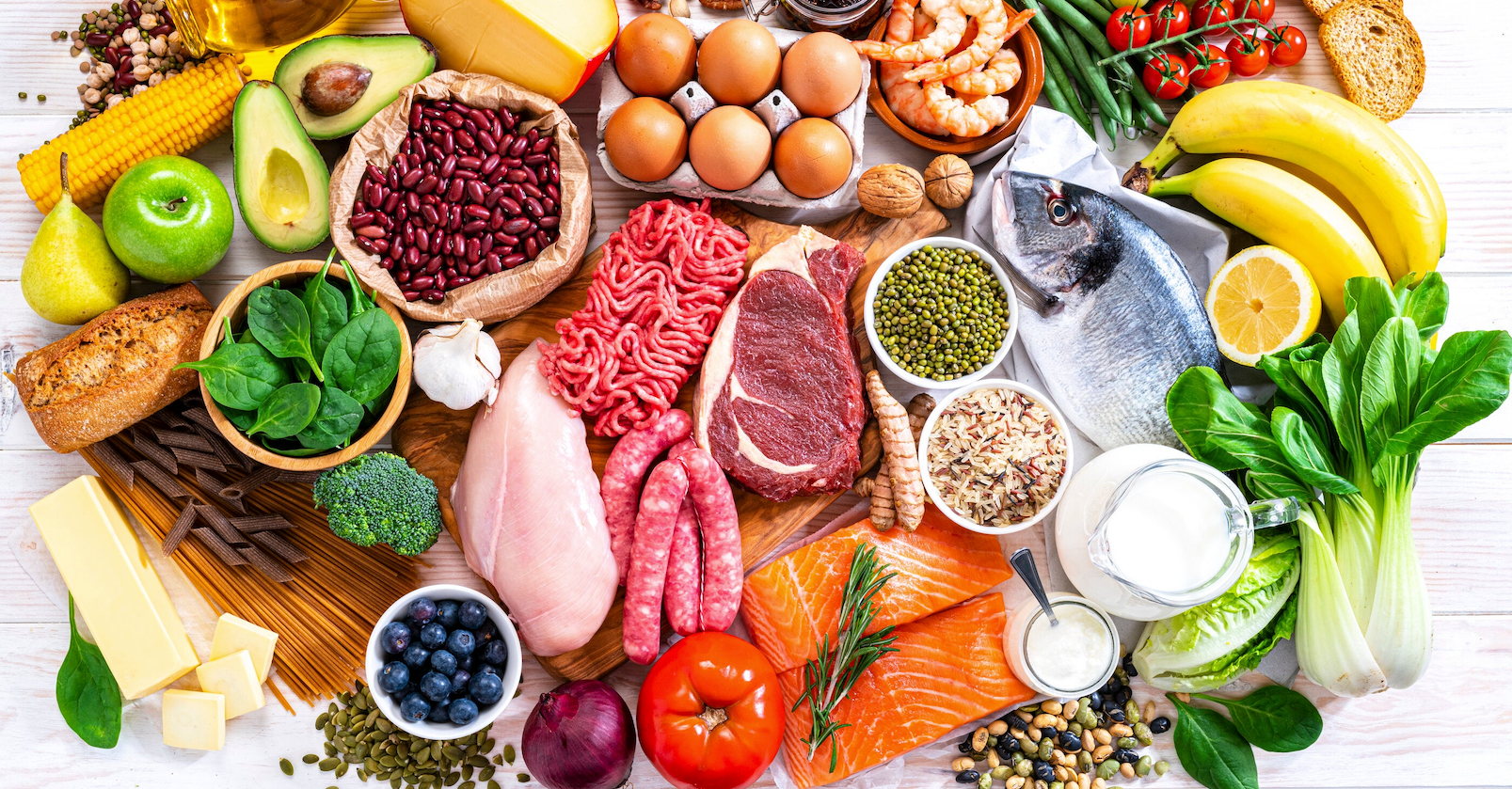
This article explores the best foods for gut health, explains why a healthy gut is important, and provides practical tips for anyone looking to improve their digestion and overall well-being. Whole grains, leafy greens, berries, and avocado are fiber-rich foods that support the digestive system by feeding good bacteria in the gut. Whether you are an athlete, someone seeking better weight management, or simply interested in boosting your immune system, the information here will help you make informed choices for a healthier gut.
Why Gut Health Matters
A healthy gut is essential for overall wellness. The gut microbiome—a diverse community of microorganisms living in your digestive tract—plays a crucial role in supporting the immune system, regulating mood, and controlling blood sugar and heart health. A diverse and balanced gut microbiome is crucial for supporting the immune system, regulating mood, and controlling blood sugar and heart health (Fact 6).
Fiber, prebiotics, and probiotics are key dietary components that help maintain this balance. Fiber is found in whole grains, fruits, and vegetables and helps feed good bacteria in the gut, supporting digestive health (Fact 4). Prebiotics are specific types of fiber that serve as food for beneficial gut bacteria, while probiotics are microorganisms that contain live good bacteria, which help balance the bacteria in your gut and aid digestion (Fact 1).
Short-chain fatty acids (SCFAs) produced by gut bacteria from prebiotic fibers serve as energy for colon cells and help reduce full-body inflammation (Fact 5).
The Mediterranean Diet and Gut Health
According to UC Davis, “The Mediterranean diet is a well-researched way of eating that can help improve overall health. It focuses on whole, plant-based foods and healthy fats. These are scientifically proven to reduce the risk of chronic conditions like heart disease.” The Mediterranean diet consists of many foods found in regions that border the Mediterranean Sea. These types of foods provide a variety of vitamins and nutrients that nourish our body.
Mediterranean Diet Foods
The Mediterranean diet includes:
- Fruits and vegetables
- Nuts and seeds (almonds, walnuts, sunflower seeds, pumpkin seeds)
- Beans and legumes (lentils, chickpeas, black beans, kidney beans)
- Whole grains (whole wheat bread, quinoa, brown rice, whole wheat pasta)
- Fish and seafood
- Healthy fats and oils (extra virgin olive oil, avocado oil, nut oils)
This approach to eating is at the core of The Master Survivor Program and aligns with ancient Greek health wisdom. By focusing on these foods, you can naturally support your gut health and overall well-being.
Transitioning from a Mediterranean-style diet to more personalized nutrition can further enhance your gut health, especially when you apply ancient Greek protocols for gut health alongside modern nutrition science. The next section will outline specific foods that are especially beneficial for your digestive system.
Top Foods for Gut Health
A diet rich in fermented foods, prebiotic fibers, and polyphenol-packed plants is beneficial for gut health by diversifying the microbiome, strengthening the intestinal barrier, and reducing systemic inflammation (Fact 2), and these foundations are central to the Total Gut Restoration 3Rs program.
Foods Good for Gut Health
Below is a list of foods that are especially good for gut health, along with brief explanations:
- Whole grains, fruits, and vegetables: Excellent sources of fiber that help feed good bacteria in the gut and support digestive health (Fact 1).
- Berries (strawberries, blueberries): Rich in fiber and prebiotics, which can help soothe the gut and reduce symptoms of irritable bowel syndrome (Fact 5).
- Cruciferous vegetables (broccoli, kale): Good sources of fiber and can improve the diversity of the gut microbiome (Fact 6).
- Artichokes: High in prebiotics, probiotics, and fiber, making them beneficial for gut health (Fact 7).
- Okinawan sweet potatoes: Rich in fiber and antioxidants, which can promote the growth of beneficial gut bacteria (Fact 8).
- Fermented foods: Such as sauerkraut, kimchi, kefir, yogurt, and cheese. These foods provide probiotics—microorganisms that contain live good bacteria, which help balance the bacteria in your gut and aid digestion (Fact 3).
- Nuts and seeds: Provide healthy fats and fiber, supporting gut health.
Probiotic Sources
Experts recommend eating at least one food source of probiotics daily, such as (Fact 4):
- Sauerkraut
- Kimchi
- Kefir
- Yogurt
- Cheese
Transitioning from understanding which foods are best for gut health, it’s important to define some key terms that will help you make informed dietary choices.
Key Terms Explained
Probiotics
Probiotics are microorganisms that contain live good bacteria, which help balance the bacteria in your gut and aid digestion (Fact 1).
Prebiotics
Prebiotics are specific types of fiber that serve as food for beneficial gut bacteria, helping them thrive.
Fiber
Fiber is found in whole grains, fruits, and vegetables; it helps feed good bacteria in the gut and supports digestive health (Fact 4).
Gut Microbiome
The gut microbiome is the community of microorganisms living in your digestive tract, crucial for immune support, mood regulation, and metabolic health (Fact 6).
Short-chain fatty acids (SCFAs) produced by gut bacteria from prebiotic fibers serve as energy for colon cells and help reduce full-body inflammation (Fact 5).
Now that you understand the foundational foods and concepts for gut health, including the importance of microbial balance that can be mapped through microbiome home stool testing, let’s explore how personalized nutrition can further optimize your well-being.
The Role of HTMA in Gut Health
Personalized nutrition can enhance gut health, and understanding your mineral status through Hair Tissue Mineral Analysis is a key part of that process. When you submit your hair sample, Dr. Johnny analyzes it and provides your hair tissue mineral analysis (HTMA) report.
The Master Survivor Program uses HTMA as the essential starting point, offering a detailed roadmap based on your chemistry that aligns with the Mediterranean Diet, similar to the broader HTMA services for humans, equines, and canines.
This makes weight loss easier and boosts athletic performance, and also highlights why hair mineral analysis is different from blood and urine tests when assessing long-term nutrient balance. Below are six ways HTMA supports your health and fitness.
Following the HTMA Road Map: Six Key Benefits
1. Mental Clarity and Focus
How the HTMA Supports Mental Health
The brain needs various nutrients to function well. Foods like whole grains, leafy greens, berries, and avocado are fiber-rich and support gut bacteria. Toxic metals disrupt the nervous system but can be eliminated by following your HTMA roadmap.
Balancing minerals improves mental focus, coordination, and reaction time—key for athletic performance. Following the recommended diet and supplements gives you an edge in workouts and competitions.
In addition to supporting mental health, following the HTMA road map can also help prevent injuries and burnout.
2. Injury Prevention and Recovery
HTMA and Injury Prevention
Athletes often face fatigue, burnout, and infectious illnesses, especially during intense training or travel. HTMA identifies your stress levels by revealing mineral patterns linked to chronic stress responses and guides dietary changes to improve recovery, rest, and resilience, as outlined in detail in the HTMA stress level analysis.
Preventing injury and burnout strengthens your immune system and resistance to infections.
3. Immune System Support
HTMA and Immune Support
Nutritional imbalances weaken joints, tendons, and muscles, causing inflammation and injuries. HTMA helps balance minerals to keep tissues strong and flexible, speeding recovery from sprains, strains, and fatigue.
A stronger immune system also improves healing after workouts and injuries.
4. Enhanced Recovery
HTMA and Recovery
An abnormal sodium/potassium ratio or phosphorus level indicates excessive protein breakdown, hindering healing. Proper nutrient balance—including zinc, manganese, copper, calcium, magnesium, and vitamins—boosts recovery.
Following HTMA guidance enhances healing and supports safe use of digestive supplements.
5. Supplement Safety
HTMA and Supplement Safety
Many athletes take unnecessary or harmful supplements. HTMA assesses your diet, mineral balance, and toxic load to recommend safe, effective supplements tailored to your needs.
This supports weight management and gut health.
6. Weight Control and Management
HTMA and Weight Control
Food cravings and weight issues often stem from mineral imbalances. Athletes may overeat after training stops, leading to problems.
HTMA provides personalized data to help manage weight, reduce arthritis, and improve joint health safely and effectively, topics that are often discussed on the Master Survivor Revolution Radio show.
Transitioning from human health, HTMA can also benefit your pets by supporting their gut health and overall vitality.
HTMA for Pets: Horses and Dogs
HTMA testing is also available for horses and dogs and even contributes to broader insights in hair trace elements and environmental studies. Following their personalized diet and supplement plan improves coat health, reduces stress, and enhances performance in shows or races.
Canine and equine hair samples are tested to identify mineral imbalances and guide nutrition.
Fermented foods and live yogurt supply probiotics—live beneficial bacteria that balance gut flora and aid digestion, benefits that can be tracked and refined through comprehensive stool testing for gut health. Experts recommend daily probiotic sources like sauerkraut, kimchi, kefir, yogurt, and cheese. Probiotic supplements are another option.
Pet owners following HTMA often adhere to the Mediterranean Diet, promoting a healthy gut for their animals too and mirroring the holistic testing and lifestyle strategies offered through the Master Survivor health and wellness programs.
Frequently Asked Questions About Foods Good for Gut Health
What are the best foods good for gut health?
The best foods for gut health include fiber-rich whole grains, fruits, and vegetables, probiotic foods like yogurt and sauerkraut, fermented foods such as kimchi and kefir, and prebiotic-rich foods like artichokes and asparagus. These foods nourish healthy gut bacteria and support a diverse microbiome in the gastrointestinal tract.
How do probiotic foods improve your gut?
Probiotic foods contain live healthy bacteria that help balance the gut microbiome by crowding out unhealthy gut bacteria. They support digestion, reduce digestive discomfort, and strengthen the intestinal barrier, which can lower inflammation and improve overall digestive symptoms.
Can fried foods and processed foods affect gut health?
Yes, fried foods and processed foods, especially those high in added sugar and white bread, can negatively affect gut health. They promote the growth of unhealthy gut bacteria, contribute to digestive discomfort, and may disrupt the balance of the healthy gut microbiome.
What role does fiber play in gut health?
Fiber acts like a sponge in the intestines, absorbing water to prevent constipation and feeding healthy bacteria in the gut. A diverse intake of fiber from whole grains, fruits, and vegetables supports a diverse microbiome and promotes regular digestion through the small and large intestines.
How can I improve my gut naturally?
To improve your gut naturally, focus on eating a variety of plant-based foods, including citrus fruits and other fermented foods, to increase bioactive compounds and fiber intake. Avoid processed foods and added sugar, drink plenty of fluids, and include probiotic and prebiotic foods daily to support a healthy gut microbiome and reduce digestive symptoms.

Dr. Michael Rudulph Maxon, AKA Johnny Delirious, Laboratory Naturopathic Doctor, gives expert advice rooted in holistic healing principles, drawing on 40 years of professional experience in the health industry. He helps his patients recover and heal using food and Ancient Greek therapies, utilizing organic remedies that are all backed by modern laboratory science. He is unquestionably the only TRUE Addiction & Hepatitis A, B, and C Recovery Pioneer. Free of mood-altering substances (cocaine) since 1991, with no viral load or antibodies of hepatitis since 1994, and no cirrhosis since 1995. Nobody in his life—including doctors, friends, and family—thought he would live past 1992; they all said he was going to die. But, Johnny chose life, not death, and learned how to heal his body, mind, and spirit by developing new protocols with natural therapies, including the thoughtful application of homeopathic remedies where appropriate. For over 20 years, he has helped many others recover, including professionals like doctors, dentists, and lawyers, who prefer alternative medicine over chemical drugs or surgery to address the same conditions that everyone said were hopeless.
Contact Johnny for a Hair Tissue Mineral Analysis (HTMA) to get the right diet, supplements, and expert advice, benefiting from his 30 years of experience in these specialized protocols.
United States - 972-825-7912
http://www.johnnydelirious.com