How to Decalcify Your Pineal Gland: Unlock Your Third Eye and Achieve Holistic Health
This guide is for anyone interested in holistic health, spiritual awakening, or improving sleep through pineal gland health. If you are searching for how to decalcify your pineal gland, you are in the right place. We will cover the science, spiritual perspectives, causes of calcification, and practical strategies for supporting pineal gland health.
The human brain is a landscape of mystery, but few of its features are as captivating as the pineal gland. Though it is no larger than a grain of rice, this tiny, pinecone-shaped organ is often referred to as the "seat of the soul" or the "third eye". Located deep within the center of the brain, it acts as a bridge between our physical existence and our spiritual awareness.
However, modern life—characterized by poor diets, environmental toxins, and a lack of natural light—has led to a widespread phenomenon known as calcification. When this happens, our health, sleep, and connection to our inner wisdom suffer. In this comprehensive guide, we explore the science of decalcification, the power of holistic healing, and the path toward reclaiming your vitality through alternative health practices.
What is the Pineal Gland?
The pineal gland is a critical component of the endocrine system, a network of glands responsible for producing and secreting hormones directly into the bloodstream. While it works alongside the hypothalamus, pituitary gland, and adrenal glands, the pineal remains the least understood of them all.
Its primary biological function is the production of melatonin, the "sleep hormone". This hormone is the master regulator of our circadian rhythm—the 24-hour internal clock that dictates when we feel awake and when we need restorative sleep. The pineal gland produces melatonin, a hormone that regulates circadian rhythms, and naturally develops calcium phosphate deposits over time.
The Spiritual Connection: The "Third Eye"
Beyond biology, the pineal gland has been a "hot topic" for its role in spirituality. In many traditions, including Hinduism and Tantric Buddhism, it is linked to the Chakras. It is believed to be the center of perception, awareness, and spiritual communication. When the gland is healthy, it contributes to mental clarity and an ability to connect with inner wisdom.
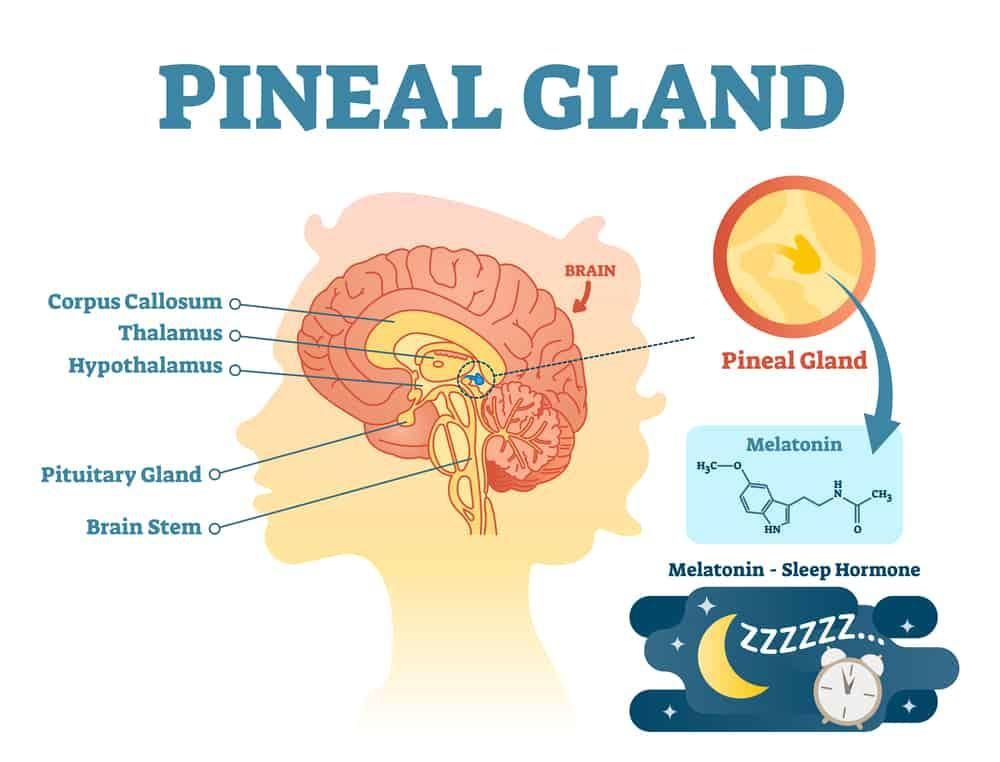
Now that we understand the pineal gland's role, let's explore what happens when it becomes calcified.
The Danger of Pineal Gland Calcification
Decalcification of the Pineal Gland is becoming a focal point for researchers because of how easily this organ can be compromised. Unlike much of the brain, the pineal gland is not protected by the blood-brain barrier. Instead, it receives the second-highest amount of blood flow in the body, surpassed only by the kidneys.
Research shows this gland has the highest calcification rate of any tissue in the body, and pineal calcification refers to the buildup of calcium phosphate crystals that can harden the gland. Aging is one contributing factor, but researchers have also found pineal gland calcifications in infants, so it is not the only part of the explanation.
Medical science views pineal calcification as a normal, largely harmless biological consequence of metabolic activity and aging.
Consequences of a Calcified Pineal Gland
Research is now linking these calcifications to a variety of serious conditions:
- Neurodegenerative diseases such as Alzheimer’s disease
- Sleep disorders and chronic insomnia
- Metabolic issues, including obesity
- A decrease in melatonin production, leading to daytime drowsiness
- Some people also report migraine attacks, though the connection remains uncertain
Reduced melatonin can make people feel sleepy during the day because the gland may not produce melatonin normally at the right times.
Sleep problems and related symptoms should be discussed with a
healthcare professional, especially in
older adults or people with
chronic medical conditions.
Understanding the consequences of calcification helps us see why supporting pineal gland health is important. Next, let's look at holistic strategies for decalcification and overall wellness.
The Path to Decalcification: Holistic Healing Strategies
To reverse these effects, one must adopt a strategy of holistic healing. This involves looking at the body as a whole system rather than just treating symptoms. Alternative health approaches offer the most promising results for decalcification. There are no proven medical treatments to reverse or reduce existing calcium deposits in the pineal gland. Reducing fluoride intake, which is linked to pineal gland calcification, can be beneficial for maintaining pineal health.
Detoxification with Chlorella
One of the most effective ways to decalcify is through heavy metal detoxification. Chlorella powder is a powerful tool that helps the body remove toxins that interfere with hormone production, and processed foods and sugars can make that detox process harder. By cleansing the system of these metals, you can decalcify the pineal gland, improve health, and address insomnia at its source.
Other natural remedies often used to support this process include gotu kola, boron, alfalfa sprouts, and apple cider vinegar.
A diet rich in antioxidants from berries and leafy green vegetables can support pineal gland health and overall health.
Seaweed, turmeric, and garlic may also help the body eliminate toxins and support overall health.
Detoxifying agents and lifestyle changes are commonly recommended in wellness circles but lack strong clinical evidence of their effectiveness in relation to pineal calcification, so using functional lab tools like Hair Tissue Mineral Analysis to assess mineral balance and toxic elements can provide more objective guidance.
Optimizing Your Circadian Rhythm
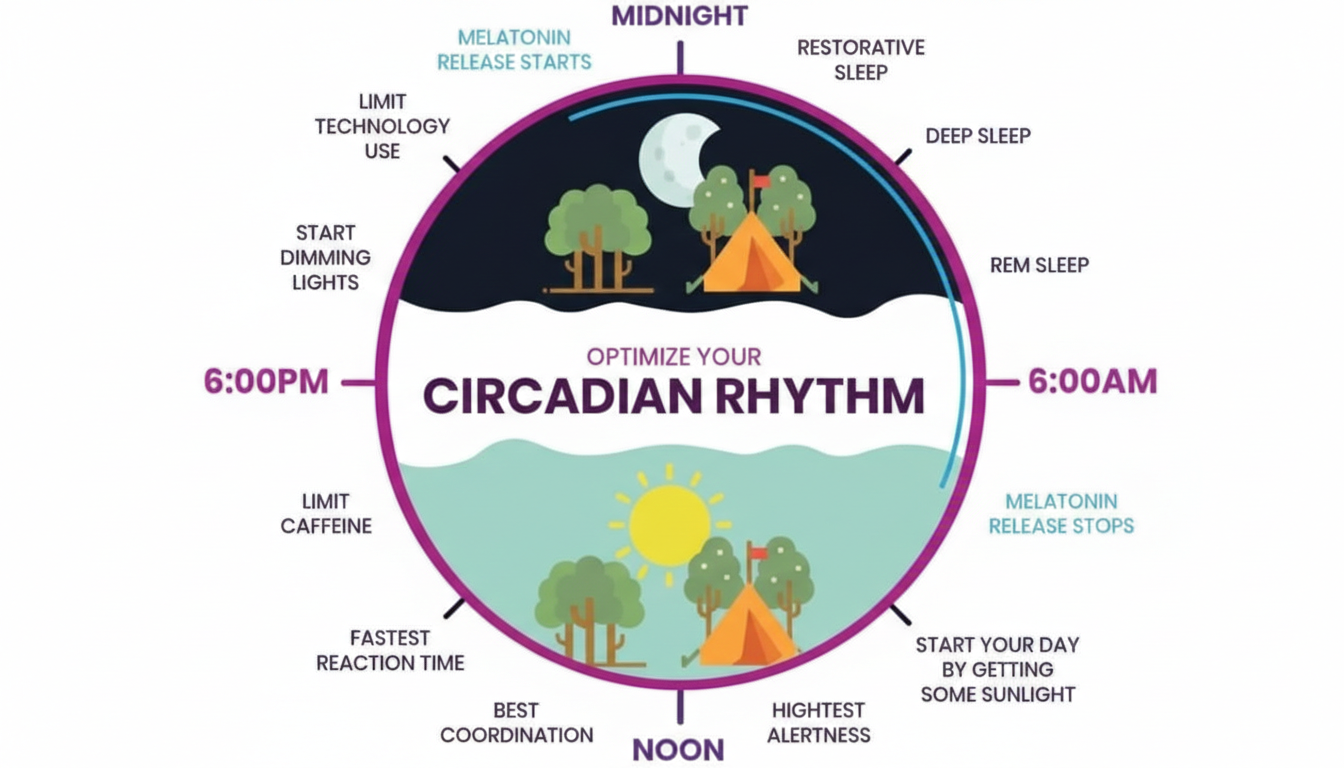
Circadian rhythm optimization is essential for a healthy pineal gland. The pineal gland plays a key role in sleep regulation by responding to light cues, and it makes melatonin to help control sleep wake cycles and support optimal functioning. Because the gland releases the highest levels of melatonin in darkness, your bedroom should be in complete darkness at night to support melatonin release.
- Morning Sunlight: Start your day by getting sunlight so natural light provides the light cues that help regulate circadian health and reset your central nervous system.
- Evening Dimming: Start dimming lights and limit technology use (blue light) as bedtime approaches.
- Consistency: Maintain steady sleep wake cycles to avoid fluctuations in hormone levels.
Advanced Peptide Therapy
For those seeking the cutting edge of alternative health, peptide therapy and pineal gland peptides like Endoluten and Epitalon are showing revolutionary results. Any peptide-based approach should be discussed with a healthcare professional, especially for people with certain chronic medical conditions.
- Endoluten: A bovine peptide that regulates the neuroendocrine system and helps remove calcium deposits from the gland.
- Epitalon: A synthetic peptide known as a telomerase activator. It has been shown to increase lifespan and restore pineal function more effectively than standard melatonin supplements, and it is often included in broader peptide-based longevity and gut health protocols.
- Evidence: Evidence is still evolving, and further research in humans is needed to confirm benefits and risks.
The scientific consensus regarding the effectiveness of popular decalcification practices is limited.
With these holistic strategies in mind, let's address some of the most common questions about pineal gland health and decalcification.
Frequently Asked Questions About Unlock Your Third Eye
What is the main cause of pineal gland calcification?
While aging plays a role, poor diet, obesity, exposure to heavy metals, and fluoride exposure are commonly discussed contributors, with fluoridated water and toothpaste often cited as common sources. To decalcify the pineal gland, individuals often reduce their intake of fluoride by avoiding fluoridated water and toothpaste, as fluoride is believed to contribute to calcification.
Can a calcified pineal gland be reversed?
Yes. Through specific diets, detox protocols, and supplements like Endoluten, it is possible to decalcify and improve gland volume, and some people also try to limit fluoride intake to help keep the pineal gland healthy.
How do I know if my pineal gland is calcified?
Common symptoms include sleep disturbances, brain fog, and a lack of mental clarity. It is often visible on X-rays. Persistent symptoms can also overlap with broader health problems, so chronic concerns should be evaluated medically, and some practitioners use HTMA to evaluate chronic stress levels and mineral patterns as part of a broader assessment.
Why is the pineal gland called the “third eye”?
Because of its location in the center of the brain and its sensitivity to light, it is seen as a physical and spiritual sensor for perception. In spiritual traditions, it is also linked with the third eye chakra and higher consciousness.
Is taking melatonin supplements every night safe?
Standard melatonin should not be used for more than 3 months at a time, as it may limit the gland’s natural ability to produce the hormone.
What is the role of Chlorella in pineal health?
Chlorella helps the body detox by removing heavy metals and toxins that can lead to calcification, which may support better health.
How does sunlight affect the pineal gland?
Sunlight resets the central nervous system and helps regulate the circadian rhythm, signaling the gland when to stop and start melatonin release, while darkness helps the body feel sleepy by supporting melatonin release.
What are Epitalon and Endoluten?
These are pineal gland peptides that have been studied for over 40 years to improve sleep patterns, lengthen telomeres, and support anti-aging.
Can weight loss improve pineal gland function?
Yes. Research indicates that obese individuals often have smaller, more calcified glands, and gland volume may increase after weight loss.
What is an HTMA?
An HTMA (Hair Tissue Mineral Analysis) is a lab report that can guide your diet and supplement schedule to effectively remove calcification.
Can meditation or ayurvedic medicine support pineal gland health?
Meditation may help reduce stress, support hormone balance, and some traditions connect it and ayurvedic medicine with the ajna chakra; some spiritual systems also associate the pineal gland with DMT and altered states of awareness, but evidence that these practices decalcify it remains limited.

Dr. Michael Rudulph Maxon, AKA Johnny Delirious, Laboratory Naturopathic Doctor, gives expert advice rooted in holistic healing principles, drawing on 40 years of professional experience in the health industry. He helps his patients recover and heal using food and Ancient Greek therapies, utilizing organic remedies that are all backed by modern laboratory science. He is unquestionably the only TRUE Addiction & Hepatitis A, B, and C Recovery Pioneer. Free of mood-altering substances (cocaine) since 1991, with no viral load or antibodies of hepatitis since 1994, and no cirrhosis since 1995. Nobody in his life—including doctors, friends, and family—thought he would live past 1992; they all said he was going to die. But, Johnny chose life, not death, and learned how to heal his body, mind, and spirit by developing new protocols with natural therapies, including the thoughtful application of homeopathic remedies where appropriate. For over 20 years, he has helped many others recover, including professionals like doctors, dentists, and lawyers, who prefer alternative medicine over chemical drugs or surgery to address the same conditions that everyone said were hopeless.
Contact Johnny for a Hair Tissue Mineral Analysis (HTMA) to get the right diet, supplements, and expert advice, benefiting from his 30 years of experience in these specialized protocols.
United States - 972-825-7912
http://www.johnnydelirious.com