The Master Survivor's Guide to Heart Health: Alcohol and Blood Pressure
How Does Alcohol Affect Blood Pressure?
Alcohol can raise blood pressure both immediately and over time. Even moderate drinking can cause temporary increases in systolic and diastolic blood pressure (the top and bottom numbers in a blood pressure reading), while heavy or chronic use significantly increases the risk of developing hypertension (chronically high blood pressure), heart disease, and stroke. The type and amount of alcohol consumed, as well as individual health factors, all influence these effects.
Introduction: Why Alcohol and Blood Pressure Matter for Your Health and Survival
Understanding the relationship between alcohol and blood pressure is crucial for anyone interested in heart health, managing blood pressure, or optimizing long-term survival. At The Master Survivor University, our approach goes beyond labeling habits as simply "good" or "bad." Instead, we focus on biological efficiency, resilience, and the practical impact of lifestyle choices on your cardiovascular system.
Blood pressure is a measure of the force your blood exerts against artery walls as your heart pumps. Maintaining healthy blood pressure is vital because uncontrolled high blood pressure (known as hypertension) is a leading cause of heart attack, stroke, kidney failure, and premature death.
This guide is designed for people who want to:
- Protect their heart and blood vessels
- Manage or prevent high blood pressure
- Make informed decisions about alcohol use and its impact on cardiovascular risk
We will cover:
- How alcohol affects blood pressure in the short and long term
- The biological mechanisms behind these effects
- The differences between types of alcoholic beverages
- Practical strategies to minimize risk
- Frequently asked questions about alcohol and blood pressure
By understanding these connections, you can make smarter choices to support your health, longevity, and "battle readiness."
The Dose-Response Curve: Finding the Survival Sweet Spot
Alcohol's effect on your body is highly dose-dependent—meaning the amount you drink determines the impact on your blood pressure and cardiovascular risk. Understanding these thresholds is critical for maintaining systemic stability and avoiding long-term harm.
Moderate Alcohol Intake: The Double-Edged Sword
Moderate alcohol intake is typically defined as up to one standard drink per day for women and up to two standard drinks per day for men. (A standard drink contains about 14 grams of pure alcohol.)
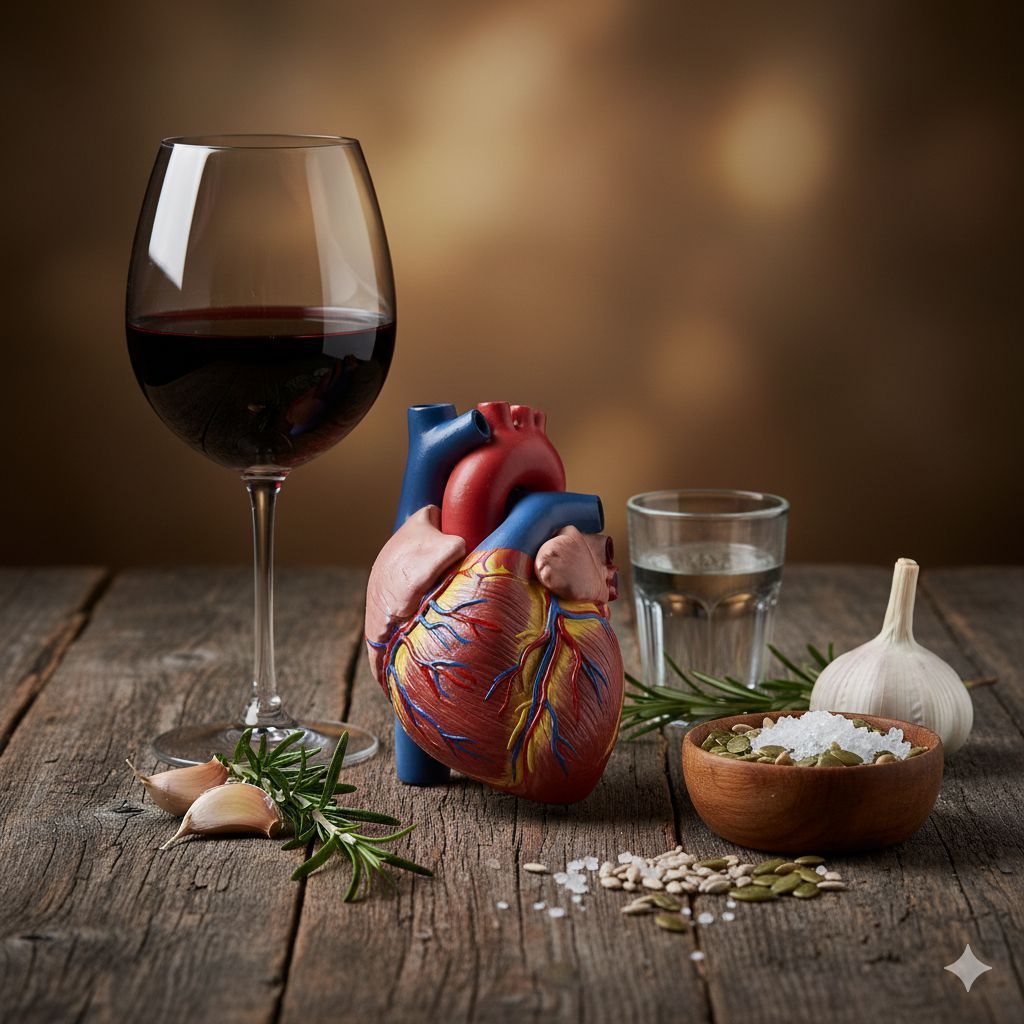
- Some research suggests this level of intake, especially red wine, may lower coronary heart disease risk by 17-24%. However, these findings may also reflect broader lifestyle factors (such as diet and exercise) rather than alcohol alone.
- The potential benefit is often attributed to polyphenol-induced vasodilation (widening of blood vessels due to plant compounds) and increased HDL cholesterol (the "good" cholesterol that helps remove excess cholesterol from the bloodstream).
- Even moderate amounts can temporarily raise systolic blood pressure (the top number, measuring pressure during heartbeats) by 5-10 mmHg due to acute vasoconstriction (narrowing of blood vessels).
- The effects of moderate alcohol consumption vary depending on individual health profiles, genetics, and other risk factors, with moderate intake producing different effects from person to person.
Summary: While moderate drinking may offer some heart benefits, it can still cause short-term increases in blood pressure and may not be safe for everyone, especially those with existing hypertension.
Heavy Consumption: The Path to Systemic Failure
Heavy alcohol use is generally defined as three or more drinks per day or over 21 drinks per week.
- Chronic heavy drinking increases both systolic blood pressure and diastolic BP (the bottom number, measuring pressure between heartbeats) by 7-10 mmHg.
- There is a clear dose response association, with each drink per week linked to about a 0.15-0.17 mm Hg rise in systolic BP.
- This level of consumption activates the Renin-Angiotensin System (RAS)—a hormone system that regulates blood pressure—leading to sodium retention and increased vascular resistance.
- Heavy drinkers face twice the risk of both ischemic (blocked blood flow) and hemorrhagic (bleeding) strokes.
- Drinking more than 35 drinks weekly can raise systolic BP by about 11 mm Hg.
- Chronic intake leads to increased arterial stiffness (loss of flexibility in blood vessels) due to oxidative stress (cellular damage from free radicals) and potential alcohol-induced cardiomyopathy (heart muscle disease).
Summary: The more you drink, the higher your risk of developing hypertension, cardiovascular disease, and stroke. Cutting back from heavy to moderate or low intake to fewer drinks can significantly lower blood pressure and reduce health risks, with the biggest benefit often seen in people having more than two drinks per day, who may lower systolic pressure by about 5.5 mm Hg and diastolic blood pressure by about 4 mm Hg, often within weeks.
Transition: To understand why these changes occur, let's look at the internal mechanisms by which alcohol affects your cardiovascular system.
The Internal Mechanics: Why Alcohol Affects Blood Pressure
Alcohol influences blood pressure through several biological pathways. Each mechanism contributes to both immediate and long-term cardiovascular risk.
Adrenal Stimulation & Epinephrine Surge
Alcohol stimulates the
adrenal glands to release
epinephrine (adrenaline), a hormone that increases heart rate and causes
vasoconstriction (narrowing of blood vessels). This leads to an immediate rise in blood pressure that can persist for hours after drinking.
Vasopressin Suppression & Dehydration
Ethanol acts as a diuretic by inhibiting vasopressin (also known as antidiuretic hormone or ADH), which normally helps the body retain water. This results in increased urination and dehydration. As blood volume drops, the body compensates by activating the Renin-Angiotensin System (RAS) to retain sodium and water, further increasing blood pressure.
Endothelial Dysfunction & Oxidative Stress
Alcohol metabolism produces acetaldehyde, a toxic byproduct that damages the endothelial cells (cells lining blood vessels). This reduces the availability of nitric oxide (NO), a molecule that relaxes blood vessels (vasodilation). Alcohol also depletes essential minerals like magnesium and potassium, raises inflammatory cytokines such as TNF-α (tumor necrosis factor alpha), and increases oxidative stress (an imbalance between free radicals and antioxidants), all of which contribute to endothelial dysfunction (impaired blood vessel function) and higher blood pressure, and are best assessed with personalized lab testing–guided naturopathic health plans.
- Endothelial dysfunction: When the inner lining of blood vessels can't regulate blood flow or pressure effectively.
- Oxidative stress: Damage caused by an excess of free radicals, leading to inflammation and tissue injury.
Mineral Depletion & Inflammation
Alcohol consumption can lower levels of magnesium and potassium, minerals essential for maintaining normal vascular tone and heart rhythm. It also increases inflammatory markers, promoting atherosclerosis (hardening of the arteries).
Hepatic (Liver) Impairment
Chronic alcohol use can impair hepatic (liver) detoxification, allowing toxins to circulate and trigger immune responses that further elevate blood pressure (immune-mediated hypertension).
Summary: Alcohol disrupts multiple regulatory systems, leading to both immediate and chronic increases in blood pressure and raising the risk of cardiovascular disease.
Transition: Now that we've explored how alcohol affects your body, let's examine how different types of alcoholic beverages compare in their impact on blood pressure.
Beverage-Specific Risks: Beer, Wine, and Spirits
Not all alcoholic beverages affect blood pressure equally, but across common alcohol types the total amount consumed matters more than beverage category alone, with ingredients and drinking pattern still shaping cardiovascular risk.
| Beverage Type | Key Components | Blood Pressure Impact | Cardiovascular Risk |
|---|---|---|---|
| Beer | High glycemic load (malt sugars), hops | Can worsen insulin resistance (a risk factor for hypertension); hops may mildly reduce BP, but high carbs often offset this | Moderate to high, especially with heavy intake |
| Red Wine | Polyphenols (resveratrol, quercetin) | May support endothelial function, but when alcohol intake is comparable, red wine, white wine, and beer have similar BP effects overall | Potentially protective in moderation; harmful in exces |
| White Wine | Fewer polyphenols | Has fewer polyphenols, yet overall blood pressure effects are similar to red wine and beer when the amount of alcohol is the same | Neutral to mildly negative |
| Spirits | Pure ethanol, no protective compounds | Rapid absorption, highest hypertensive risk | Highest risk, especially with heavy use (up to 4.4x higher stroke risk) |
Summary: Beverage choice can still affect overall cardiovascular risk, but blood pressure differences are often modest when alcohol intake is similar across drink categories.
Transition: Regardless of your beverage choice, there are strategies you can use to counteract alcohol-induced hypertension.
Natural Strategies to Counteract Alcohol-Induced Hypertension
To minimize the impact of alcohol on blood pressure, consider these evidence-based strategies. Each approach targets a specific mechanism by which alcohol raises blood pressure.
Herbal & Nutritional Support
- Garlic & Hawthorn: Support endothelial function by boosting nitric oxide synthesis and lowering RAS activity.
- Magnesium & Potassium: Replenish electrolytes lost through alcohol-induced diuresis, helping to maintain vascular tone and are often central in Master Survivor laboratory-guided wellness programs.
- Ginger & Rosemary: Reduce vascular inflammation and LDL oxidation, supporting overall cardiovascular health.
Hydration & Detoxification
- Coconut Water: Provides electrolytes to offset dehydration from alcohol.
- Milk Thistle & Dandelion Root: Support liver function and help detoxify acetaldehyde, reducing oxidative stress.
Lifestyle Adjustments
- Limit intake to ≤1 drink/day for women and ≤2 drinks/day for men, and avoid binge drinking because even if weekly totals look moderate, it can trigger sharp short-term blood pressure spikes.
- For some people, alcohol abstinence is the most effective strategy, especially if they already have hypertension or trouble limiting intake, since too much alcohol repeatedly undermines blood pressure control.
- Avoid combining alcohol with high-sodium foods to prevent excessive fluid retention.
- Engage in light exercise after drinking to enhance metabolism and help lower blood pressure.
Alcohol can also reduce the effectiveness of blood pressure medicine and complicate treatment plans, especially when underlying liver and mental health issues are not addressed with holistic healing and recovery strategies.
Summary: Combining dietary, herbal, and lifestyle strategies can help mitigate the hypertensive effects of alcohol, but the most effective approach is to limit or avoid alcohol, especially for those with high blood pressure, ideally supported by integrative mental and physical wellness guidance.
Transition: To reinforce your understanding, let's review the key takeaways and address common questions about alcohol and blood pressure.
Conclusion: Mastering Moderation
While moderate alcohol intake (especially red wine) may offer limited cardiovascular benefits, heavy or chronic use unequivocally raises blood pressure through adrenal stimulation, dehydration, and oxidative stress. For those with existing hypertension, abstinence or strict moderation is the only tactical choice. Natural interventions can help reduce harm but do not eliminate the hypertensive effects of high doses.
Frequently Asked Questions (FAQs) About Alcohol and Your Blood Pressure
Does alcohol affect blood pressure immediately?
Yes, alcohol can cause an immediate increase in blood pressure due to adrenal stimulation (release of adrenaline) and vasoconstriction (narrowing of blood vessels). This effect can last for several hours after drinking.
How many drinks are considered "moderate alcohol intake"?
Moderate intake is defined as up to one standard drink per day for women and up to two drinks for men. A standard drink contains about 14 grams of pure alcohol (e.g., 5 oz wine, 12 oz beer, or 1.5 oz spirits).
How much alcohol is OK if I have high blood pressure?
If you have high blood pressure, or high BP, the safest approach is to limit alcohol as much as possible and discuss how often you drink alcohol with your healthcare provider. Moderate intake means up to one drink a day for women and up to two for men. People who drink alcohol regularly, especially more than two drinks a day, often lower blood pressure by cutting back to two or fewer drinks or even less, sometimes with the support of structured Master Survivor recovery programs and resources.
Why does alcohol cause dehydration?
Alcohol inhibits vasopressin (antidiuretic hormone, ADH), leading to increased urination and fluid loss. This dehydration can trigger compensatory mechanisms that raise blood pressure.
What is the most dangerous type of alcohol for blood pressure?
Spirits (hard liquor) pose the highest risk for raising blood pressure, especially when consumed in large amounts, due to rapid absorption and lack of protective compounds.
Can red wine actually help my heart?
Some studies suggest moderate red wine intake may benefit heart health due to polyphenols like resveratrol, which support endothelial function. However, benefits are only seen with low intake; excess drinking negates these effects.
How does alcohol affect my heart rate?
Alcohol can increase heart rate (tachycardia) through adrenal stimulation and may trigger irregular rhythms, and it can also raise the risk of atrial fibrillation, especially in susceptible people and those with underlying heart conditions.
Does alcohol deplete vitamins and minerals?
Yes, alcohol increases the loss of minerals like magnesium and potassium through urine, which can affect blood pressure and heart rhythm.
What is acetaldehyde?
Acetaldehyde is a toxic byproduct of alcohol metabolism that damages endothelial cells, impairs nitric oxide production, and contributes to oxidative stress and hypertension.
Can lifestyle changes help lower alcohol-induced BP?
Yes. Reducing alcohol intake, improving diet, increasing physical activity, and using supportive herbs can all help lower blood pressure, with the biggest benefit often seen in heavy drinkers and people with alcohol abuse patterns. It is also part of standard public health advice for hypertension prevention and control. The American Heart Association and World Health Organization recommend limiting alcohol as part of standard hypertension management, and many find inspiration for this kind of change in the From Breaking Point to Breakthrough Master Survivor journey.
What herbs support the liver after drinking?
Herbs like milk thistle and dandelion root can support liver detoxification and help reduce the harmful effects of alcohol metabolites.
Take Control of Your Heart Health with The Master Survivor University
Ready to master your cardiovascular health and make informed choices about alcohol and blood pressure? At The Master Survivor University, we offer personalized healing protocols, advanced laboratory testing like Hair Tissue Mineral Analysis and gut microbiome assessments, and practitioner certification programs that blend ancient Greek wisdom with modern naturopathic science. Whether you're looking to reduce your cardiometabolic risk or optimize your body's resilience, our holistic services and bioenergy healing devices provide the natural support you need, and our advanced doctoral practitioner training is led directly by Dr. Michael Rudulph Maxon, expert in naturopathic healing solutions. Start your journey to lasting heart health and vitality today—explore our offerings and connect with expert guidance tailored just for you!

Dr. Michael Rudulph Maxon, AKA Johnny Delirious, Laboratory Naturopathic Doctor, gives expert advice rooted in holistic healing principles, drawing on 40 years of professional experience in the health industry. He helps his patients recover and heal using food and Ancient Greek therapies, utilizing organic remedies that are all backed by modern laboratory science. He is unquestionably the only TRUE Addiction & Hepatitis A, B, and C Recovery Pioneer. Free of mood-altering substances (cocaine) since 1991, with no viral load or antibodies of hepatitis since 1994, and no cirrhosis since 1995. Nobody in his life—including doctors, friends, and family—thought he would live past 1992; they all said he was going to die. But, Johnny chose life, not death, and learned how to heal his body, mind, and spirit by developing new protocols with natural therapies, including the thoughtful application of homeopathic remedies where appropriate. For over 20 years, he has helped many others recover, including professionals like doctors, dentists, and lawyers, who prefer alternative medicine over chemical drugs or surgery to address the same conditions that everyone said were hopeless.
Contact Johnny for a Hair Tissue Mineral Analysis (HTMA) to get the right diet, supplements, and expert advice, benefiting from his 30 years of experience in these specialized protocols.
United States - 972-825-7912
http://www.johnnydelirious.com