Xiphoid Process Pain Relief: Holistic Healing and Alternative Health Solutions
The human body is a masterpiece of biological engineering, yet we often overlook the smallest components that keep the system running smoothly. Nestled at the base of your sternum lies a tiny, sword-shaped structure known as the xiphoid process. While it might seem insignificant compared to major organs, this small piece of anatomy is a vital nexus where structural stability, respiratory mechanics, and energetic pathways meet.
At
The Master Survivor University, we believe that true resilience comes from understanding every facet of your physical and spiritual self. In this comprehensive guide, we will explore the xiphoid process through the lenses of
holistic healing,
alternative health, and traditional wisdom to help you achieve lasting relief from discomfort and optimize your "survivor" vitality.
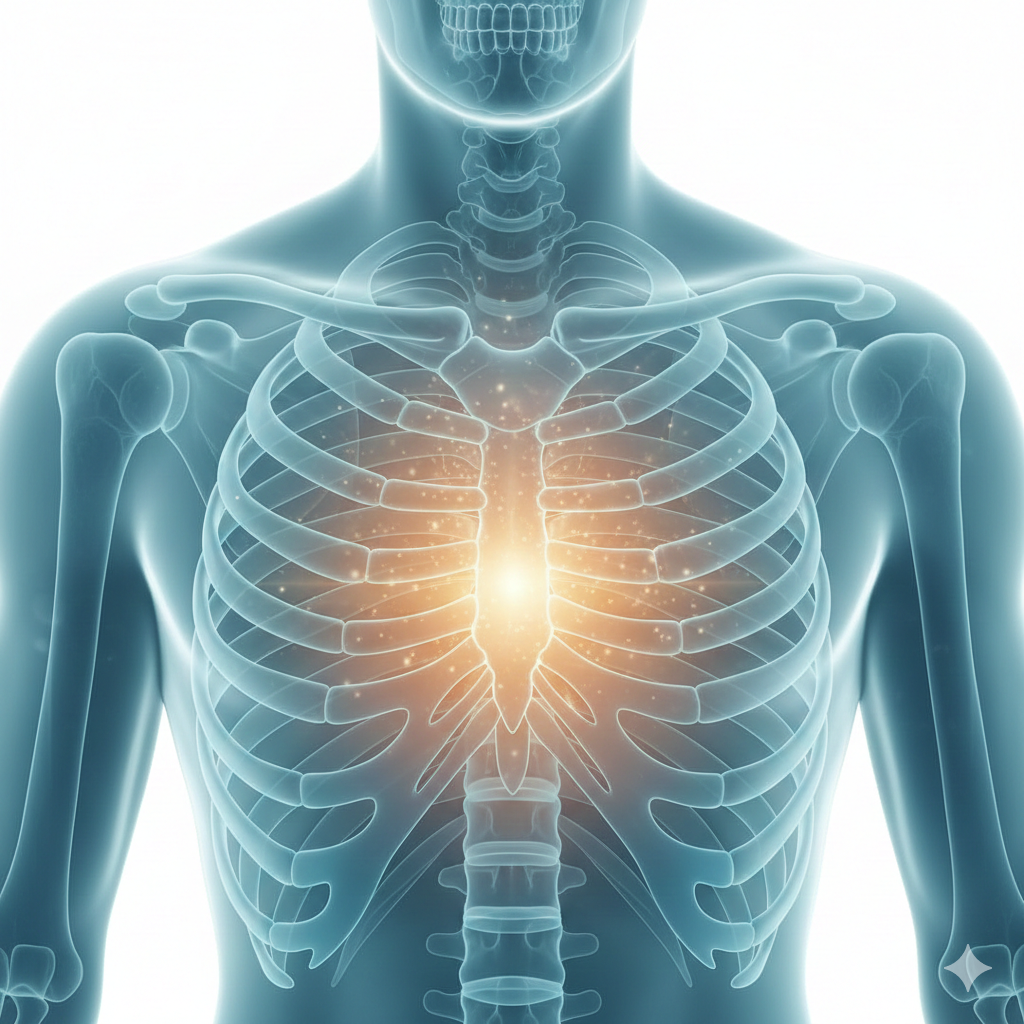
Understanding the Anatomy of the Xiphoid Process
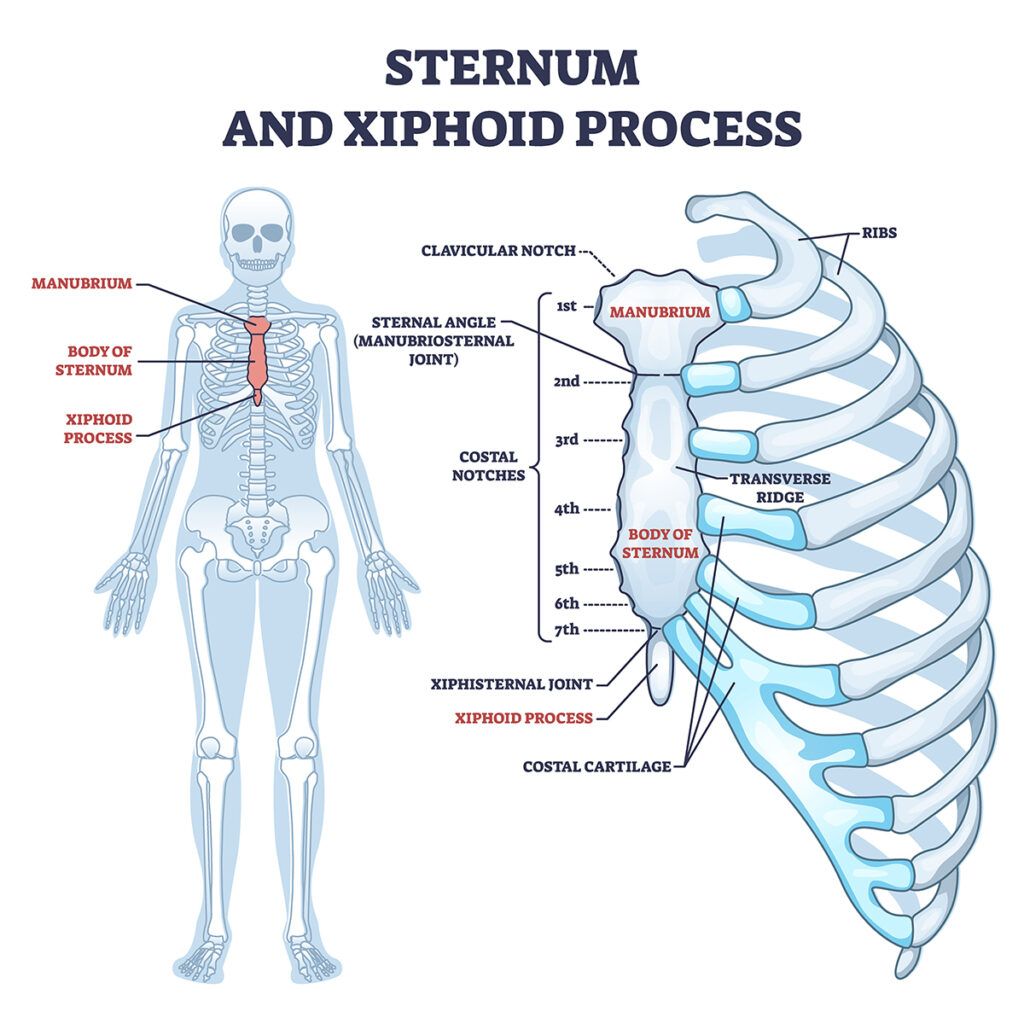
The xiphoid process is the smallest and most inferior segment of the sternum (breastbone). In our early years, it is composed of flexible hyaline cartilage. As we age—typically by the time we reach 40—this cartilage undergoes a natural transformation called ossification, turning into hard bone.
Despite its modest size, it serves as a critical anchor for several major muscle groups:
- The Diaphragm: The primary muscle responsible for breathing.
- Rectus Abdominis: Your "six-pack" muscles used for core stability.
- Transverse Thoracis: Muscles that support the thoracic cage.
Because it is innervated by the T6–T7 thoracic spinal nerves, the xiphoid process is highly sensitive to referred pain. This means that issues in your gallbladder, stomach, or even your mid-back can manifest as sharp or dull pain right at the tip of your breastbone.
Xiphodynia and Xiphoid Pain: When the Xiphoid Becomes the Enemy
When this small structure becomes inflamed or painful, the condition is known as xiphodynia, a pain syndrome involving the lower sternum, and many survivors seek broader support through natural healing education at The Master Survivor University. This condition is notorious in the medical community for being a "great masquerader" because its symptoms often mimic serious emergencies like heart attacks or abdominal organ failure. It is often mistaken for other conditions because the symptoms overlap, and costochondritis is one musculoskeletal issue that can mimic xiphoid process pain.
**Common Causes of Xiphodynia:**Xiphoid process pain commonly results from physical strain or trauma.
- Physical Trauma: Blunt force to the chest or even aggressive CPR.
- Repetitive Strain: Over-exertion during heavy lifting or core exercises.
- Postural Imbalances: Modern "tech neck" or hyperkyphosis (excessive rounding of the upper back) puts mechanical stress on the xiphoid.
The Holistic Healing Perspective: More Than Just Bone
In the realm of alternative health, we look beyond the physical bone to see the energetic significance of the xiphoid region, aligning with our wider focus on holistic healing and mental wellness approaches. Traditional Chinese Medicine (TCM) views this area as a gateway to the Penetrating Vessel (Chong Mai).
When the "Qi" (vital energy) in this area becomes stagnant, it doesn't just cause physical pain. It can manifest as:
- Digestive Disturbances: Feeling "stuffed" or experiencing "Stomach-Qi rebellion" (reflux), and xiphoid process pain is often linked to digestive issues. gastroesophageal reflux disease can contribute by irritating and inflaming the area around the xiphoid process, and gall-bladder disease is another of the primary diseases linked to secondary xiphoidalgia.
- Emotional Oppression: A heavy feeling in the chest often linked to anxiety or grief.
- Cardiovascular Signs: In TCM, a displaced heartbeat felt below the xiphoid can indicate Heart-Blood stasis or Kidney-Yang deficiency, often accompanied by cold hands and feet.
Natural Interventions and Recovery Strategies
While conventional medicine often relies on heavy pharmaceuticals or even surgical resection—which can be invasive and carry risks like gastric bleeding—conservative treatment often starts with rest and avoiding aggravating activities, while the alternative health path focuses on non-invasive, root-cause recovery.
1. Nutritional and Herbal Support
Over-the-counter NSAIDs are commonly used to reduce inflammation and pain, but to alleviate symptoms without the side effects often linked to them, consider these natural powerhouses as additional treatment options:
- Proteolytic Enzymes: Bromelain (from pineapple) and papain (from papaya) help break down inflammatory proteins and reduce swelling.
- Anti-inflammatory Herbs: Turmeric, ginger, Boswellia, and white willow bark act as natural COX-2 inhibitors to soothe the xiphoid area.
- Magnesium and Potassium: These electrolytes are essential for muscle relaxation. Increasing your intake of leafy greens, pumpkin seeds, and coconut water can mitigate the muscle spasms associated with xiphodynia, while broader nutritional strategies that support a balanced gut microbiome for mental and physical health may further enhance recovery.
Heat and ice therapy are also common conservative treatment options for managing xiphoid process pain.
2. Manual Therapies and Posture
Restoring the structural integrity of the thorax is key to long-term relief:
- Chiropractic and Osteopathic Care: Adjustments can correct thoracic misalignments and alleviate nerve compression that causes referred pain, complementing holistic recovery protocols for injuries and trauma.
- Physical therapy: It can assist with targeted rehabilitation of the chest wall to improve mobility and support recovery.
- Acupuncture: Specific points like Pericardium-6 (Neiguan) or Ren-12 (Zhongwan) are highly effective for clearing xiphoid-related digestive issues and Qi stagnation.
- Topical Relief: Applying arnica gel or traditional castor oil packs can provide localized analgesic effects.
- Posture support: Improving posture may reduce pressure on the chest area and help limit ongoing irritation.
3. Movement as Medicine
Preventing future stress on the xiphoid involves strengthening the core and improving breathing mechanics. Practices like
Pilates,
Tai Chi, and specific diaphragmatic breathing exercises ensure that the xiphoid process isn't being pulled out of alignment by tight muscles.
Why Conventional Approaches Often Fall Short
Many survivors pursue imaging and thorough evaluation because xiphoid pain can overlap with other conditions, yet expensive imaging (X-rays and MRIs) often fails to show the functional dysfunction of the xiphoid, and restoring biochemical balance through approaches like Hope is a Molecule natural healing protocols can be a powerful complement to structural care. CT scans may also be used to measure the xiphosternal angle during diagnosis. Acid reflux can cause pain behind the lower sternum and may be mistaken for xiphoid pain. Furthermore, steroid injections can weaken the connective tissues over time, potentially worsening the instability. Careful evaluation is important to rule out serious conditions because misdiagnosis of xiphodynia is common.
By focusing on the root causes—such as inflammation, postural stress, and Qi stagnation—and, when needed, drawing on Master Survivor recovery programs and wellness tools, you can achieve a level of health that pharmaceuticals simply cannot provide.
Frequently Asked Questions About the Xiphoid Process
Can a swollen xiphoid process be dangerous?
While usually benign, a swollen xiphoid should be evaluated to rule out fractures or underlying visceral issues, and complex or confusing cases may benefit from guidance by Dr. Michael Rudulph Maxon, an expert in naturopathic healing solutions. However, most cases are related to inflammation or posture.
Why does my xiphoid process feel like it’s sticking out?
As you age and the cartilage ossifies, it may become more prominent. This is often normal but can be exacerbated by hyperkyphosis, a topic we often explore in depth through Master Survivor health and wellness broadcasts.
How can I tell the difference between xiphoid pain and a heart attack?
Diagnosing xiphodynia starts with a physical examination, especially palpation to identify a painful xiphoid process, and practitioners who pursue advanced training such as the Master Survivor Doctoral Program in integrative health learn to refine these kinds of differential assessments. Common symptoms include tenderness and sharp pain in the lower sternum, and sometimes upper abdominal pain. Xiphodynia pain is typically reproducible by pressing on the area, whereas chest pain from this area can mimic angina pectoris or other heart disease, which is why an accurate diagnosis matters. Always seek emergency care if you are unsure.
Does stress affect the xiphoid process?
Yes. In holistic healing, the xiphoid area is linked to the diaphragm. Stress leads to shallow breathing, which strains the diaphragm and its attachment point at the xiphoid.
What foods help with xiphoid inflammation?
Focus on magnesium-rich foods like spinach and seeds, as well as anti-inflammatory spices like turmeric and ginger.
Can poor posture cause xiphoid pain?
Absolutely. Prolonged forward flexion (like sitting at a desk) puts mechanical pressure on the sternum and xiphoid process.
Is surgical management common for xiphoid issues?
Surgical resection is rare and often considered "overtreatment" by alternative health practitioners who prefer addressing the root cause. Injection therapy may use anesthetics or steroids for pain relief before surgical intervention is considered. For refractory cases that do not improve with conservative care, surgical management may be discussed. Xiphoidectomy is the surgical removal option for persistent symptoms. It is a short procedure that typically takes 7–15 minutes.
What is "Stomach-Qi rebellion"?
In TCM, it refers to energy moving upward instead of downward, causing symptoms like acid reflux and a "full" feeling behind the xiphoid.
Can I use castor oil packs for xiphoid pain?
Yes, castor oil packs are a traditional topical remedy used to reduce inflammation and promote healing in the thoracic region.
How does Tai Chi help?
Tai Chi promotes upright posture and deep, diaphragmatic breathing, which reduces the mechanical strain on the xiphoid process.

Dr. Michael Rudulph Maxon, AKA Johnny Delirious, Laboratory Naturopathic Doctor, gives expert advice rooted in holistic healing principles, drawing on 40 years of professional experience in the health industry. He helps his patients recover and heal using food and Ancient Greek therapies, utilizing organic remedies that are all backed by modern laboratory science. He is unquestionably the only TRUE Addiction & Hepatitis A, B, and C Recovery Pioneer. Free of mood-altering substances (cocaine) since 1991, with no viral load or antibodies of hepatitis since 1994, and no cirrhosis since 1995. Nobody in his life—including doctors, friends, and family—thought he would live past 1992; they all said he was going to die. But, Johnny chose life, not death, and learned how to heal his body, mind, and spirit by developing new protocols with natural therapies, including the thoughtful application of homeopathic remedies where appropriate. For over 20 years, he has helped many others recover, including professionals like doctors, dentists, and lawyers, who prefer alternative medicine over chemical drugs or surgery to address the same conditions that everyone said were hopeless.
Contact Johnny for a Hair Tissue Mineral Analysis (HTMA) to get the right diet, supplements, and expert advice, benefiting from his 30 years of experience in these specialized protocols.
United States - 972-825-7912
http://www.johnnydelirious.com