The Nutritional Relationships and Health Benefits of Copper
Introduction
Copper is a vital trace mineral that plays a crucial role in numerous biological processes essential for human health. This article is intended for individuals interested in nutrition and health, including both general readers and health professionals, and will cover copper's biological roles, deficiency and toxicity symptoms, and its impact on various body systems. Understanding copper's health benefits is important because the body stores only small amounts of copper, making a balanced daily intake essential for optimal health. This article explores the health benefits of copper, its role in the body, and the consequences of copper imbalance.
Copper Nutrition at a Glance
Common Dietary Sources of Copper:
- Shellfish
- Nuts
- Seeds
- Organ meats (such as beef liver)
- Legumes
Recommended Dietary Allowance (RDA):
- Adults: 900 micrograms per day
- Increased needs during pregnancy and lactation
Tolerable Upper Intake Level (UL):
- 10 mg per day for adults
- Exceeding this amount can lead to adverse health effects, including oxidative stress and cell damage
Key Health Benefits of Copper
Copper is involved in a wide range of physiological functions that support overall health. Its key health benefits include:
- Skin Health:
Copper is essential for the production of collagen and elastin, which provide strength and elasticity to the skin, aiding in its overall health and appearance.
- Immune Function:
Adequate copper levels are essential for the proper functioning of the immune system, as they help in the production and activity of immune cells. Copper also plays a role in the secretion of cytokines, which are important for immune responses.
- Energy Production:
Copper serves as a catalyst for cellular energy conversion, helping mitochondria turn sugar and oxygen into adenosine triphosphate (ATP), the body's main energy molecule.
- Cholesterol and Cardiovascular Health:
Copper supplementation has been shown to decrease blood levels of total cholesterol and triglycerides while slightly increasing 'good' HDL cholesterol in animal studies. Copper is also essential for the strength and integrity of the heart and blood vessels, and its deficiency can lead to heart disease. A 2025 longitudinal study found that individuals with higher dietary copper intake had fewer heart-related health problems and better outcomes, particularly those with high blood pressure.
- Cognitive Function:
Copper plays a crucial role in cognitive function by acting as a cofactor for enzymes involved in neurotransmitter synthesis, which are essential for communication between nerve cells in the brain. Research indicates that higher dietary copper intake is associated with better cognitive performance in older adults, as evidenced by improved scores on cognitive function tests. Imbalances in copper levels have been linked to neurodegenerative conditions such as Alzheimer's disease, suggesting that both low and high copper levels may negatively impact cognitive health.
- Bone Health:
Copper is necessary for proper bone development, and a deficiency may cause osteoporosis, as two-thirds of the copper in the body is found in bones and muscles. Copper plays an important role in bone formation as it is a cofactor for the enzyme lysyl oxidase, which is required for the formation of strong bones. Studies suggest that copper supplementation may slow down the loss of bone mineral density in postmenopausal women, indicating its potential role in preventing osteoporosis.
- Wound Healing:
Copper has been shown to stimulate the production of angiogenic growth factors, promoting vascular and connective tissue repair, which is beneficial for wound healing. Copper-impregnated products, such as wound dressings, can enhance wound healing by increasing skin regeneration and reducing the risk of infection due to copper's antimicrobial properties.
- Importance of Balance:
The body stores only small amounts of copper, emphasizing the need for a balanced daily diet. The Tolerable Upper Intake Level (UL) for copper is set at 10 mg per day for adults, and exceeding this amount can lead to adverse health effects, including oxidative stress and cell damage.
With these foundational benefits in mind, the following sections will explore how copper status is evaluated and the health consequences of copper imbalance.
Copper Evaluation Through Tissue Mineral Analysis (TMA) of Human Hair
Tissue Mineral Analysis (TMA) of hair has proven to be a good method for assessing nutritional copper status, and when compared with blood and urine tests for mineral analysis it offers a longer-term view of mineral balance and toxic metal exposure. This type of analysis serves as a practical copper deficiency test. Recently, Medeiros reported positive correlations of TMA copper levels in animals based upon three levels of dietary copper intake. This study supports the feasibility for the use of TMA in detecting changes in the diet of copper and other minerals. Medeiros' study also confirms the findings of earlier investigators, which also support the validity of using TMA in assessing copper status. Ikeda, et al found that the hair concentration of copper correlates with blood hemoglobin levels in children. Hair copper concentrations have been found to reflect liver copper concentration. A study reporting the mineral content of maternal and neonate hair revealed an excellent correlation of metals including copper and establishes a basis for the use of TMA in monitoring the nutritional mineral status of both the mother and fetus.
The ideal TMA level of copper established by Trace Elements, Inc. is 2.5 milligrams percent. When sampled properly, Hair Tissue Mineral Analysis for assessing your body’s mineral balance can provide a good index of nutritional copper status and relationship to other synergistic and antagonistic trace elements.
How TMA is Used:
- Hair samples are collected and analyzed for mineral content.
- Copper levels are measured and compared to established reference ranges.
- Results are interpreted in the context of other mineral levels to assess overall nutritional status.
Understanding copper status is crucial, as imbalances can lead to a variety of health conditions and can also reflect underlying stress levels and metabolic patterns identified through HTMA, which are discussed in the following sections.
Conditions Associated with Copper Imbalance
Copper imbalance—whether deficiency or excess—can have significant effects on health. The following subsections detail the major conditions associated with copper imbalance.
Iron Deficiency Anemia
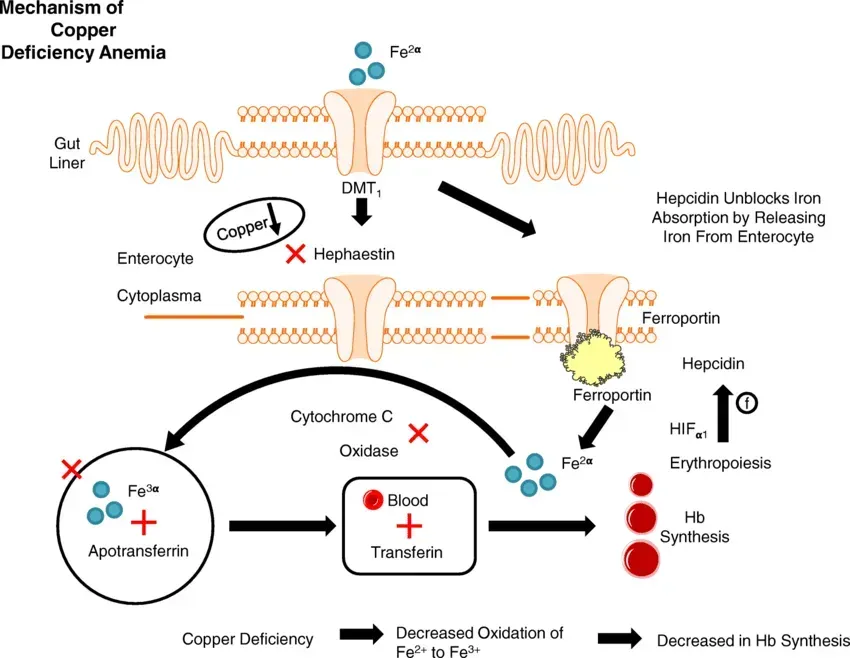
One of the earliest conditions found to be associated with copper deficiency is iron deficiency anemia, which could only be corrected with copper supplementation. Copper is essential for the production of collagen and elastin, which provide strength and elasticity to the skin, aiding in its overall health and appearance. Although deficiency is rare in developed countries, copper deficiency can still impair iron absorption, reduce heme synthesis, and increase iron accumulation in storage tissues.
Symptoms of Copper Deficiency:
- Fatigue
- Brittle bones
- Impaired wound healing
- Cognitive impairment
- Iron deficiency anemia
- Vascular defects
- Osteoporosis
- Neurological issues
These processes are dependent upon copper through the effects of the copper enzyme Ceruloplasmin. A chronic copper deficiency can result in hemosiderosis, a condition characterized by an increase in iron accumulation in body tissues due to an impairment in the reutilization of hemoglobin iron. Hemosiderosis is known to occur in malignancies, inflammatory disorders, and rheumatoid arthritis.
Connective Tissue Disorders
Copper is essential for the production of collagen and elastin, which are critical for connective tissue health. Deficiency can contribute to connective tissue disorders, leading to symptoms such as:
- Joint pain
- Ligamentous laxity
- Poor skin integrity
Increased Risk of Infections
Adequate copper levels are essential for the proper functioning of the immune system, as they help in the production and activity of immune cells. Copper deficiency can lead to neutropenia, which is a reduction in white blood cells, making the body more susceptible to infections.
Symptoms:
- Increased frequency of infections
- Slow wound healing
Transitioning from these general conditions, the next sections will explore specific health issues related to copper imbalance, such as arthritis, infections, malignancies, bone health, cardiovascular health, orthopedic disturbances, and neurological effects.
Arthritis and Copper
Rheumatoid Arthritis
Iron accumulation in the joints due to copper deficiency can be a major contributor to rheumatoid arthritis. Studies reported by Kishore et al illustrated the relationship of copper deficiency and arthritis in animal studies. Adjuvant arthritis was more severe in animals on a copper deficient diet, and the tissue iron levels were found to be over four hundred percent of normal.
Key Points:
- Rheumatoid arthritis prevalence may be linked to increased use of copper antagonists (e.g., cadmium, zinc, lead).
- TMA studies of patients with rheumatoid arthritis almost always reveal a low tissue copper level.
- Chronic cases show high iron/copper ratios, which can also indicate chronic bacterial infection.
- Remission of rheumatoid arthritis can occur in conditions associated with increased copper retention (e.g., pregnancy, biliary obstruction).
- Wearing copper bracelets has been shown to improve symptoms in some cases.
Osteoarthritis
TMA studies have revealed that tissue copper levels are above normal in patients with osteoarthritis, which can be explained by the calcium-copper-vitamin D relationship.
Understanding the role of copper in arthritis highlights its broader impact on immune and inflammatory processes, which is further explored in the context of infections.
Infections — Bacterial
Copper and Immune Response
Infections are known to affect mineral metabolism and requirements. During bacterial infection, iron is sequestered into storage tissue (reticuloendothelial-bone-spleen-liver) to limit bacterial proliferation. Secondarily, serum copper rises due to its removal from storage tissues, thereby improving the capability to mount an attack and overcome the invading organism. Copper also supports the immune system in part through cytokine secretion, which helps regulate immune responses.
Consequences of Copper Deficiency:
- Reduced white blood cells (neutropenia)
- Weakened defenses
- Increased susceptibility to infections
The most common source of chronic infections has been dental abscesses often present for years without the patient’s knowledge.
Transitioning from bacterial to viral infections, copper's role in immune modulation continues to be significant.
Infections — Viral
Copper and Viral Immunity
Viral infections produce an anabolic response, while bacterial infections produce a catabolic response. Tissue copper deficiency is commonly seen with chronic bacterial infections, which enhance copper retention and can be considered as having anti-bacterial properties. Copper is essential for the secretion of cytokines, which are important for immune responses.
Interactions with Other Nutrients:
- Vitamin A, C, and zinc are mutually antagonistic to copper.
- Excessive zinc supplementation can cause copper deficiency, leading to symptoms such as anemia and neurological issues.
TMA studies have shown that chronic candidiasis is frequently associated with copper excess. Therefore, minerals and vitamins antagonistic to copper can be considered to have anti-fungal and anti-yeast properties.
Copper's involvement in immune function and infection resistance also extends to its role in cancer and chronic disease, as discussed next.
Malignancies and Copper
Copper and Cancer
Low TMA copper levels are frequently found in some types of malignancies, most of which are of the catabolic or highly metastatic type. High tissue iron/copper may or may not be present depending upon the type of malignancy.
Copper's Role:
- Essential for respiratory enzyme systems
- Participates in superoxide dismutase activity, protecting cells from oxygen toxicity
- Required for cytochrome c oxidase, the terminal oxidase in the electron transport chain
Animal studies have confirmed the effects of some copper compounds as anti-neoplastic agents. The addition of copper decreased tumor growth, decreased metastasis, and increased survival of animals with certain types of neoplasms.
Copper's role in tissue integrity and repair is also critical for bone health, which is discussed in the following section.
Osteoporosis and Bone Loss
Copper and Bone Health
One of the early signs of copper deficiency is osteoporosis. Copper is necessary for proper bone development, and a deficiency may cause osteoporosis, as two-thirds of the copper in the body is found in bones and muscles. Copper plays an important role in bone formation as it is a cofactor for the enzyme lysyl oxidase, which is required for the formation of strong bones.
Key Points:
- Copper deficiency can lead to loss of bone mineral density, especially in postmenopausal women.
- Bone changes in copper deficiency include a loss of trabecular formation with thinning of the cortex.
- Osteoporosis has been linked with both copper deficiency and copper excess.
Copper's influence on bone health is closely related to its effects on the cardiovascular system, which is explored next.
Cardiovascular
Copper and Heart Health
The structure and integrity of the vascular system is intimately related to copper. An adequate amount of copper is required for the production of the enzyme lysyl oxidase, which is involved in the quality and quantity of elastin formation and collagen cross-linking. Therefore, copper deficiency is related to vascular defects such as:
- Aneurysms
- Heart enlargement
- Heart failure
- Infarcts
Copper supplementation has been shown to decrease blood levels of total cholesterol and triglycerides while slightly increasing 'good' HDL cholesterol in animal studies. Copper is essential for the strength and integrity of the heart and blood vessels, and its deficiency can lead to heart disease.
A deficiency of copper relative to zinc produces a decrease in HDL (high density lipoproteins) and an increase in LDL (low density lipoproteins).
Copper's role in cardiovascular health is mirrored in its importance for connective tissue and orthopedic health.
Orthopedic Disturbances and Copper Imbalance
Copper and Connective Tissue
Adequate copper is required for the normal production and integrity of elastin and collagen, which are components of ligaments and the nucleus pulposus of the intervertebral disc. Copper also supports wound healing by stimulating angiogenic growth factors involved in connective tissue repair and the formation of new blood vessels in damaged blood vessels.
Other Nutrients Involved:
- Vitamin C (required for hydroxylation of proline to hydroxyproline)
- Iron and manganese (involved in conversion of lysine to hydroxylysine)
- Manganese (required for galactosyltransferase and glucosyltransferase activity)
- Zinc (involved in protein synthesis)
Copper's impact on connective tissue and wound healing is further reflected in its neurological effects.
Neurological
Copper and Cognitive Function
Copper deficiency is known to affect the central nervous system. Copper plays a crucial role in cognitive function by acting as a cofactor for enzymes involved in neurotransmitter synthesis, which are essential for communication between nerve cells in the brain. Research indicates that higher dietary copper intake is associated with better cognitive performance in older adults, as evidenced by improved scores on cognitive function tests. Imbalances in copper levels have been linked to neurodegenerative conditions such as Alzheimer's disease, suggesting that both low and high copper levels may negatively impact cognitive health.
Symptoms of Copper Deficiency:
- Defects in myelination
- Cognitive impairment
- Neurological issues such as developmental delays
Observation of TMA studies has shown low tissue copper levels in multiple sclerosis patients. Similar observations have been seen on TMA patterns of patients with Parkinson’s disease.
Menkes Disease:
An inherited inborn error of copper metabolism in infants, manifesting most of the conditions described with copper deficiency. This condition is usually fatal with a life expectancy of about two years.
Copper's neurological effects underscore the importance of maintaining proper copper balance, which is influenced by various dietary, mineral, vitamin, and endocrine factors.
Factors Contributing to Copper Deficiency
Minerals
Certain minerals are antagonistic to copper. Prolonged high intake of these elements, singularly or in combination, can produce a copper deficiency, especially if the nutritional or tissue copper status is marginal.
Antagonistic Minerals:
- Zinc
- Iron (in excess)
- Cadmium
- Lead
Vitamins
Excessive intake of certain vitamins can contribute to or exacerbate an existing copper deficiency.
Antagonistic Vitamins:
- Vitamin C (ascorbic acid)
- Vitamin A
- Vitamin B6, B3, B5
High vitamin C intake should be approached with caution until copper status is evaluated since vitamin C is known to affect copper antagonistically and/or enzymes that require copper.
Endocrine Factors
Copper is normally excreted by the liver via adrenal stimulation. Increased activity of the sympathetic endocrines tends to increase the elimination of copper or increase its requirements due to increased metabolic demands.
Sympathetic Endocrines:
- Thyroid
- Adrenal cortex (glucocorticoids)
- Adrenal medulla
- Anterior pituitary
Nutrients Synergistic to Copper
Rarely does a single nutrient deficiency develop exclusively. Other nutritional deficiencies and excess are always involved.
Synergistic Vitamins:
- Vitamin D
- Vitamin B1, B12, C, and folic acid (B10)
Synergistic Minerals:
- Calcium
- Cobalt
- Selenium
- Sodium
- Iron
Transitioning from deficiency, the next section addresses the consequences of excessive copper intake.
Copper Toxicity
Copper toxicity is common in the United States. TMA studies show that a large percent of the population has excessive tissue copper levels. This varies geographically due to high copper or low zinc soils and hard or soft water regions. The use of copper pipes and dental prosthesis have contributed greatly to increased copper intake, including possible exposure through drinking water. Too much copper may also come from copper supplements or water exposure in some settings.
Symptoms of Copper Toxicity:
- Nausea
- Abdominal pain
- Diarrhea
- Severe liver damage
Copper toxicity can occur when there is a deficiency of the antagonistic nutrients, especially vitamin B6, B3, B5, A, and the minerals zinc and iron. The requirements for these nutrients are known to increase during pregnancy, with oral contraceptive use, and estrogen therapy.
Genetic Conditions:
- Wilson's disease: a rare genetic disorder affecting copper metabolism, resulting in toxic amounts of copper accumulation in the liver due to a lack of Ceruloplasmin.
A reduction or blockage in biliary excretion can increase copper accumulation, even if copper intake is not excessive.
Medications That May Contribute to Copper Toxicity
The main excretory route for the removal of copper is through the intestinal tract; therefore, any factor that inhibits intrahepatic or extrahepatic excretion can potentially contribute to copper toxicity.
Medications that may contribute:
- Phenothiazine derivatives (e.g., Thorazine, Stelazine)
- Chlordiazepoxide (Librium)
- Desipramine (Norpramin)
- Imipramine (Tofranil)
- Meprobamate (Miltown)
- Chlorothiazide (Diupres, Diuril)
- Tolbutamide and chlorpropamide (Diabenese, Orinase)
- Carbamazepine (Tegretol)
- Thiouracil and methimazole (Tapazole)
- Indomethacine (Indocin)
- Antifungal preparations (Fulvicin-U/F, Grifulvin)
This is only a partial list; consult the Physicians' Desk Reference for further information.
Thyroid Insufficiency and Copper
Elevated tissue copper is a common finding in conjunction with thyroid insufficiency. Copper's effect upon thyroid function involves multiple mechanisms, including its antagonistic effect upon iron and its influence on insulin secretion.
Associated Conditions:
- Chronic E.B.V. and C.M.V. infections
- Emotional disturbances (depressive disorders)
- Hypoglycemia
- Fatigue
- Fibroid tumors
- Low blood pressure
- Transient high blood pressure
- Anorexia
- PMS
- AIDS
- Dermatosis
- Endometriosis
- Infertility
- Hair loss
- Type II insomnia
- Frontal headaches
Generally, adults who show elevated tissue copper accumulation have a tendency to be right brain dominant, emotionally oriented, and artistically inclined.
Conclusion
The importance of copper nutriture is obvious due to its health benefits and its requirement in enzyme systems, but balance matters because the body stores only small amounts of copper. Often the adverse effects of copper toxicity are given more consideration than copper deficiency. However, copper balance is important particularly in relationship to other nutrients. Just as much consideration should be given to the possibility of copper deficiency as to copper toxicity.
About Hair Tissue Mineral Analysis (HTMA)
Hair Tissue Mineral Analysis (HTMA) for humans, equines, and canines extends these mineral insights beyond people and into animal health as well.
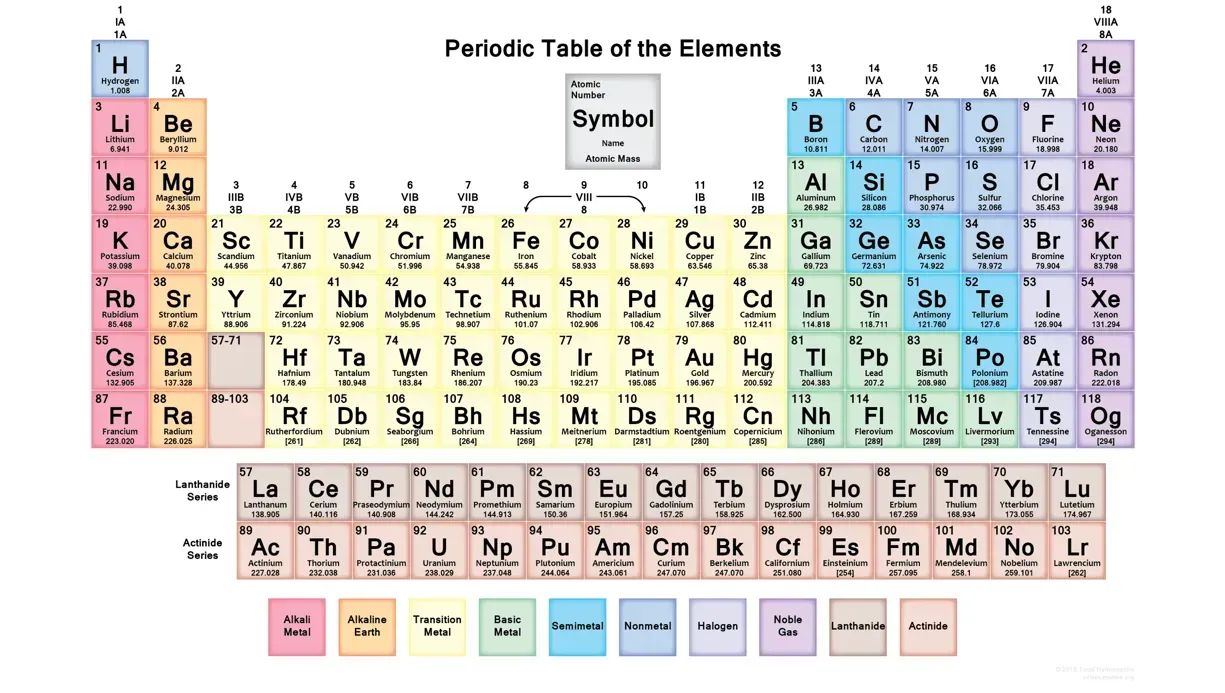
Have you ever looked at the Periodic Table of Elements? These elements make up everything in the universe! Everything; including us. In fact, we are the microcosm of the macrocosm. In Biblical terms, we are made in God’s image. In chemistry, we are composed mostly of about 40 elements on the Periodic Table. Our make up is essentially the combination of elements made flesh, with the spark of spirit that gives us life.
In the Hair Tissue Mineral Analysis (HTMA), the biological activity of 37 Elements is measured, forming a foundation for holistic health programs like the Master Survivor naturopathic protocols. They are:
- 15 important Nutritional Elements
- 8 Toxic Heavy Metals
- 14 Trace Elements
With the information of the HTMA, we now know what is available and being used in the body or what is lacking. Health begins to deteriorate when cell metabolism does not have the right foods and elements it needs. A mineral imbalance follows. Over time, function goes down and structure begins to lose its integrity. With the right foods, targeted supplements, and a personalized naturopathic health plan guided by lab testing on a daily basis the body’s cells will repair and reverse aging.
The HTMA will show:
- How to avoid disease states
- Any toxic or heavy metal overload
- A complete profile of 37 different elements
- The correct diet schedule based on your biochemistry
Contact Johnny to order your HTMA today - $226 USD
Best Selling author Johnny Delirious worked with one of the first pioneers to use the scientific modality - Hair Tissue Mineral Analysis (HTMA), to get the right diet and supplements to experience life free of disease and has contributed to hair trace element research in environmental and archeological studies. Most healthy individuals get enough copper from a balanced diet through food sources rather than dietary supplements, and copper-rich foods include shellfish, nuts, seeds, legumes, whole grains, and organ meats such as beef liver. The recommended dietary allowance for adults is 900 micrograms per day, though needs rise by life stage such as pregnancy and lactation, and the tolerable upper intake level is the safe upper limit to avoid harmful effects from high doses.
Frequently Asked Questions (FAQs) About Nutritional Relationships of Copper
For ongoing education and discussion about natural health and mineral balance, you can also explore the Master Survivor Revolution Radio health show.
What are the most common copper deficiency symptoms?
The article highlights several key copper deficiency symptoms, including:
- Iron deficiency anemia (which is only corrected by copper supplementation)
- Increased iron accumulation in body tissues (hemosiderosis)
- Osteoporosis
- Cardiovascular issues like aneurysms, heart enlargement, heart failure, and infarcts
- Neurological defects, such as issues with myelination and potential links to conditions like multiple sclerosis
How is copper deficiency typically evaluated?
The article states that Tissue Mineral Analysis (TMA) of human hair is a good method for assessing nutritional copper status and serves as a practical copper deficiency test. Hair copper concentrations are shown to correlate with blood hemoglobin and liver copper concentration, making TMA a reliable index of status and balance with other trace elements.
Can zinc supplementation cause copper deficiency?
Yes, the article explains that zinc is antagonistic to copper. If zinc supplementation is taken in excessively high dosages, it can antagonize copper and promote a copper deficiency, thereby potentially promoting infectious processes, especially those of bacterial origin.
What are zinc induced copper deficiency symptoms?
Since zinc and copper are antagonistic, excessive zinc intake can deplete copper and lead to classical copper deficiency symptoms. Specifically, the article notes that symptoms resulting from this imbalance often include:
- Anemia (due to impaired iron utilization)
- Neurological issues (due to defects in the central nervous system)
What are the cardiovascular consequences of copper deficiency?
Copper deficiency impairs the production of the enzyme lysyl oxidase, which is essential for forming and cross-linking elastin and collagen. This structural impairment is linked to vascular defects such as:
- Aneurysms
- Heart enlargement
- Heart failure
- Infarcts
A relative deficiency of copper compared to zinc can also lead to an unfavorable lipid profile (decreased HDL and increased LDL).
References
- Hart EB et al: Iron In Nutrition. VII. Copper as a Supplement to Iron for Hemeb-globin Building in the Rat. /. Biot. Chem. 77, 1928.
- Mills ES: Idiopathic Hypochron/emia. Am. J. Med. Sci.,182, 1931.
- Daniels AL, Wright OE: Iron and Copper Retentions in Young Children. /. Nutr. 8, 1934.
- Cartwright GE, Wintrobe MM: Copper Metabolism in Normal Subjects. /. Clin. Nutr., 14, 1964.
- Medeiros DM et al. Copper and Sodium Concentration in Rat Hair as Related to Dietary Intake. Nutr. Res. 3, 1983.
- Klevay LM: Hair as a Biopsy Material. II Assessment of Copper Nutriture. Am. J. Clin. Nutr. 23, 1970.
- Deeming SB, Weber CW: Hair Analysis of Trace Minerals in Human Subjects as Influenced by Age, Sex and Oral Contraceptive Use. Am. J. Clin. Nutr., 31, 1978.
- Vir SC et al: Serum and Hair Concentrations of Copper During Pregnancy. Am. J. Clin. Nutr., 34, 1981.
- Laker M: On Determining Trace Element Levels in Man; The Uses of Blood and Hair. Lancet,2, 1982.
- Ikeda T, et al: Hair Copper and Zinc Concentrations in Handicapped Children with Anticonvulsants. Dev. Pharmacol. Ther., 6, 1983.
- Jacob RA et al: Hair as a Biopsy Material v. Hair Metal as an Index of Hepatic Metal in Rats; Copper and Zinc. Am. J. Clin. Nutr. 31, 1978.
- Baumslag N, et al: Trace Metal Content of Maternal and Neonate Hair. Arch. Environ. Hlth. 29, 1974.
- Hambidge KM: Increase in Hair Copper Concentration with Increasing Distance from the Scalp.Am. J. Clin. Nutr., 26,1973.
- Hambidge KM: Hair Analysis. Ped. Clin. N. Am., 27, 1980.
- Osaki S, et al: The Mobilization of Iron from Perfused Mamalian Liver by a Serum Copper Enzyme, Ferroxidase I. /. Biol. Chem., 246, 1971.
- Fairbanks VF, et al: Clinical Disorders of I ron Metabolism.2nd Ed. Grune and S tratum, N.Y., 1971.
- Mowat AG, Hothersall TE: Nature of Anaemia in Rheumatoid Arthritis. VII. Iron Content of Synovial Tissue in Patients with Rheumatoid Arthritis and in Normal Individuals. Ann. Rheum. Dis., 27, 1968.
- Kishore V, et al: Effect of Nutritional Copper Deficiency on the Development of Adjuvant Arthritis in the Rat. Trace Substances in Environmental Health XVI. Hemphill, D.D., Ed. Univ. Mo. Columbia, 1982.
- Rainsford KD: Environmental Metal Ion Pertubations, Especially as They Affect Copper Status, Are a Factor in the Etiology of Arthritic Conditons: An Hypothesis. Inflammatory Diseases and Copper. Sorenson, J.R.J., Ed. Hu mana Press, N.J., 1982.
- Mason KE: A Conspectus of Research on Copper Metabolism and Requirements of Man. J.Nutr., 109, 1979.
- Chandra RH, Newberne AM: Nutrition Immunity and Infection. Mechanism of Interactions. Plenum Press, N.Y., 1977.
- Weinberg ED: Iron and Susceptibility to Infectious Disease.Bacterial Nutrition. Lichstein H.C., Ed. Hutchinson Ross Publ., Co., Penn, 1983.
- Beisel WR: The Effect of Infection on Host Nutritional Status. Advances in Human C linical Nutrition. Vitale, J.J., Broitman, S .A., Eds. John Wright. PSG, Inc., Boston, 1982.
- Collie WR et al: Hair in Menkes Disease: A Comprehensive Review. Hair Trace Elements and Human Illness. Brown, A.C., Crounse, R .G., Eds. Prager Pub., N.Y., 1980.
- Graham GG, Cordano A: John Hopkins Med. J., 124, 1969.
- 26 . A1-Rashid RA, Spangler J: N.E.J.M., 285, 1971.
- Karpel JT, Peden VH: /. Ped., 80, 1972.
- Luster MI et al: Immunological Alterations in Mice Following Acute Exposure to Di-ethylstilbestrol. Biological Relevance of Immune Suppression as Introduced by Genetic, Therapeutic and Environmental Factors. Dean, J.H., Padarathsingh, M., Eds. Van Nosstrand Reinhold, Co., N.Y., 1981.
- Dumont AE et al: Siderosis of Lymph Nodes in Patients with Hodgkin's Disease. Cancer, 38, 1976.
- Sorenson RJ et al: Antineoplastic Activities of Some Copper Salicylates. Trace Substances in Environmental Health XVI. Hemphill, D.D., Ed. Univ. Mo. Columbia, 1982.
- Dickerson JWT: Nutrition of the Cancer Patient. Advances in Nutritional Research Vo. 5. Draper, H.H., Ed. Plenum Pub., N.Y., 1983.
- Aspin N, Sass-Kortsak A: Copper. Disorders of Mineral Metabolism Vol.1. Trace Minerals. Bronner, F., Coburn, J. Eds. Academic Press, N.Y., 1981.
- Graham GC, Cordano A: Copper Deficiency in Human Subjects. Trace Elements in Human Health and Disease. Prasad, A.S., Ed. Acad emic Press, N.Y., 1976.
- Underwood EJ: Trace Elements in Hu man and Animal Nutrition 4th Ed. Academic Press, N.Y., 1977.
- Watts DL: Determining Osteoporotic Tendencies from Tissue Mineral Analysis of Human Hair, Type I and Type II. Townsend Newsletter For Drs. Aug./Sept., 1986.
- Klevay LM: Coronary Heart Disease: The Zinc/Copper Hypothesis. Am. J. Clin. Nutr., 28, 1975.
- Klevay LM: The Role of Copper and Zinc in Cholesterol Metabolism. Advances in Nutritional Research. Draper, H.H., Ed. Plenu m Pub., N.Y., 1971.
- Davies IJT: The Clinical Significa nce of the EssentialBioligicalMetals. Charles Thomas, Pub., Ill, 1972.
- Pratt WB, Phippen WG: Elevated Hair Copper Level in in Idiopathic Scolosis, Preliminary Observations. Spine 5, 1980.
- Guy ton AC: Textbook of Medical Physiology, 4th Ed.W.B. Saunders, Co., Phil ., 1971.
- Underwood EJ: Trace Elements in Hum an and Animal Nutrition, 4th Ed. Academic Press, N.Y., 1971.
- Douglas et al: Trace Elements in Scalp-Hair of Persons with Multiple Sclerosis and of Normal Individuals. Clin. Chem. 24, 1978.
- 43.0'Dell BL: Biochemistry of Copper. The Medical Clinics of North America. 60,1976. W.B. Saunders, Co., Phil.
- Collie WR: Hair in Menkes Disease: A Comprehensive Review. Hair Trace Elements and Human Illness. Brown, Crounse, Eds. Prager Pub., N.Y., 1980.
- Scheinberg IH et al: The Concentration of Copper and Ceruloplasmin in Maternal and Infant Plasma at Delivery. /. Clin. Invest. 33, 1954.
- Prohaska JR, Lukasewycz DA: Copper Deficiency Suppresses the Immune Response of Mice. Science 213, 1981.
- Mason KE: A Conspectus of Research on Copper Metabolism and Requirements of Man. /. Nutr., 109, 1979.
- Aspin N, Sass-Kortsak A: Copper. Disorders of Mineral Metabolism, Vol.1. Trace Minerals. Bronner, F., Coburn, J., Eds. Academic Press, N.Y., 1981.
- Underwood EJ: Trace Elements in Hum an and Animal Nutrition 4th Ed. Academic Press , N.Y., 1977.
- Davies IJT: The Clinical Significa nce of the Essential Biological Metals. Charles Thomas, Pub., II., 1972.
- Finley EB, Cerklewski FL: Influences of Ascorbic Acid Supplementation on Copper Status in Young Adult Men. Am. J. Clin. Nutr., 37, 1983.
- Carlton WW, Henderson W: Studies i n Chickens Fed a Copper Deficient Diet Supplemented with Ascorbic Acid, Resperine and Diethylstilbestrol. /. Nutr.,85, 1965.
- Hill CH, Starcher B: Effects of Reducing Agents on Copper Deficiency in the Chick. /. Nutr., 85, 1965.
- Evans GW, Cornatzer WE: Biliary Copper Excretion in the Rat. Proc. Soc. Exp. Biol. M ed. 136, 1971.
- Henkin RI: Trace Element Metabolism in Animals Vol. II. Hoekstra, W.G., et al, Eds. Univ. Park Press, Md., 1974.
- Ibid.
- Klim RG et al: Intestinal Calcium Absorption in Exogenous Hypercorticism. Role of 25(OH) D and Corticosteroid Dose. /. Clin. Invest., 60, 1977.
- Scheinberg IH, Sternlieb I: Copper Toxicity and Wilson's Disease. Trace Elements in H uman Health and Disease, Vol. I. Prasad, A.S., Ed. Academic Press, N.Y., 1976.
- Aspin N, Sass-Kortsak A: Copper. Disorders of Mineral Metabolism, Vol. I. Bronner, F., Coburn, J.W., Eds. Academic Press, N.Y., 1981.
- Henkin RI: Trace Element Metabolism in Animals Vol II. Hoekstra W.G. et al, Eds. Univ. Park Press, MD., 1974.
- Underwood EJ: Trace Elements in Hum an and Animal Nutrition. 4th Ed. Academic Press , N.Y., 1977.
- Watts DL: The Effects of Oral Contraceptive Agents on Nutritional Status. Am. Chiro. Mar. 1985.
- Altschule MD: Nutritional Factors in General Medicine, Effects of Stress and Distorted Diets. Charles Thomas, Pub. II., 1978.
- Kirshnamachari KAVR: Some Aspects of Copper Metabolism in Pellagra. Am. J. Clin. Nutr., 27, 1967.
- Olatunbosun DA et al: Serum-Copper in Stickle- Cell Anemia. Lancet1, 1975.
- Bennion LJ et al: Effects of Oral Contraceptives on the Gallbladder Bile of Normal Women. N.E.J.M., 294, 1976.
- Ingelfinger FJ: Gallstones and Estrogens. N.E.J.M.,
- 290, 1974.
- Kranitt MJ et al: The Response to Challenge with the Synthetic Estrogen, Ethinyl Estradiol. N.E.J.M., 277, 1967.
- Ockner RK, Davidson CS: Hepatic Effects of Oral Contraceptives. N.E.J.M.,285,1971.
- Altschule MD: Nutritional Factors in General Medicine, Effects of Stress and Distorted Diets. Charles Thomas, Pub. II., 1978.
- Dillman E et al: Hypothermia in Iron Deficiency Due to Altered Triiodthyronine Metabolism. Am. J. Physiol., 1980.
- Tucker DM et al: Neuropsychological Effects of Iron Deficiency. Neurobiology of the Trace Elements, Vol. I. Dreosti, I.E., Smith, R.M ., Eds. Humana Press, Clifton, NJ., 1983.
- Watts DL, Heise TL: Balancing Body Chemistry. T.E.I. Sav. Ga. 1987.
- Spellacy WN, Goetz FC: Plasma Insulin in Normal Late Pregnancy. N.E.J.M. 268,1963.
- Gershberg H et al: Glucose Tolerance in Women Receiving an Ovulatory Suppressant. Diabetes 13, 1964.
- Javier Z et al: Ovulatory Suppressants, Estrogen, and Carbohydrate Metabolism. Metabolism 17, 1968.
- Flynn A: Estrogen Modulations of Blood Copper and Other Essential Metal Concentrations. Inflammatory Disease and Copper. Sorenson, R.J., Ed. Humana Press, Clifton, N.J., 1982.
- Leclereq-Meyer V et al: Effect of Calcium and Magnesium on Glucagon Secretion. Endocrinol, 93, 1973.
- Malaisse WJ et al: The Stimulus-Secretion Coupling of Glucose-Induced Insulin Release. /. Lab. Clin. Med. 76, 1970.
- Cross HS, Peterlik M: Hormonal and Ionic Control of Phosphate Transport in the Differentiating Enterocyte. Progress in Clinical and Biological Research, Vol. 168. Epithelial Calcium and Phosphate Transport Molecular and Cellular Aspects.
- Bonner, F., Peterlik, M ., Eds. Alan R. Liss, Inc., N.Y. 1984.

Dr. Michael Rudulph Maxon, AKA Johnny Delirious, Laboratory Naturopathic Doctor, gives expert advice rooted in holistic healing principles, drawing on 40 years of professional experience in the health industry. He helps his patients recover and heal using food and Ancient Greek therapies, utilizing organic remedies that are all backed by modern laboratory science. He is unquestionably the only TRUE Addiction & Hepatitis A, B, and C Recovery Pioneer. Free of mood-altering substances (cocaine) since 1991, with no viral load or antibodies of hepatitis since 1994, and no cirrhosis since 1995. Nobody in his life—including doctors, friends, and family—thought he would live past 1992; they all said he was going to die. But, Johnny chose life, not death, and learned how to heal his body, mind, and spirit by developing new protocols with natural therapies, including the thoughtful application of homeopathic remedies where appropriate. For over 20 years, he has helped many others recover, including professionals like doctors, dentists, and lawyers, who prefer alternative medicine over chemical drugs or surgery to address the same conditions that everyone said were hopeless.
Contact Johnny for a Hair Tissue Mineral Analysis (HTMA) to get the right diet, supplements, and expert advice, benefiting from his 30 years of experience in these specialized protocols.
United States - 972-825-7912
http://www.johnnydelirious.com