Mercury: The Mad Hatter Epidemic
In the early 19th century in the East and in the West, Mercury was used as a medicine to treat illness. Little was known at the time about the harmful effect it had on the body. Just like blood-letting of that day, it was eventually learned that Mercury over time was not a sound or safe therapy. The common name was quicksilver because of its fluid metallic property. The gossip surrounding the dangers of its use quickly made the two-word name into a one-word slang term for the treatment that became known as quack medicine when referring to those doctors administering Mercury. In fact, the doctors who regularly used it for their patients were the ones known as “quacks.”
With over-exposure to Mercury the body can develop tremors and nervousness. Early signs of mercury poisoning, however, could be far more varied and insidious. People might notice a rash, persistent skin itchiness, or sore, inflamed patches in the mouth. Some described an odd metallic taste that refused to go away, while others suffered from muscle pain, vomiting, stomach pain, or bouts of diarrhea. Disturbed sleep and an unrelenting wet cough were also common as Mercury quietly wreaked havoc on the body’s systems. In England during the 19th Century era, the hat factories used Mercury in the processing of the felt and the workers in those horrid conditions became over-exposed. This heavy metal built up in their bodies and they soon developed what they called “hatters shakes” at that time. The gossip continued about Mercury and the dangers of working in a hat factory.
What Is Erethism?
This condition, often referred to as erethism or mercurial erethism, is one of the more unsettling gifts Mercury bestows upon its frequent victims. Erethism describes a blend of emotional and neurological symptoms—think tremors, irritability, memory loss, anxiety, and wild mood swings that come and go like London fog. In the notorious hat factories of Victorian England, these changes were so pronounced that friends and neighbors would quietly gossip about workers’ odd habits and fragile temperaments.
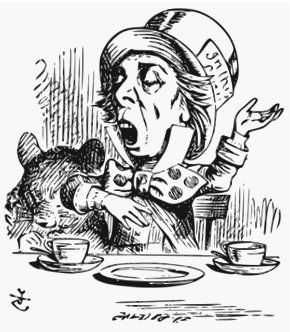
So, when you hear someone mention "mad hatter’s disease," it’s this collection of nervous system troubles—shaky hands, jumpiness, and unpredictable emotions—that they’re referring to, all sparked by Mercury’s silent creep through the body. The famous classic novel written during that time, “Alice In Wonderland,” featured a wacky and nervous character called the “Mad Hatter.” This literary character popularized the term
mad hatter disease, a phrase now often used to describe the condition caused by Mercury poisoning.
Where Did the Saying “Mad as a Hatter” Originate?
The phrase “mad as a hatter” isn’t just a colorful turn of phrase—it has its roots in a grim slice of history. During the 18th and 19th centuries, hatmakers often used a mercury compound, mercurous nitrate, to turn fur into felt for stylish top hats. Unfortunately, day in and day out, these hatters inhaled fumes from the chemical-laden felting process.
Over time, the mercury would accumulate in their bodies, causing not only the jittery hands and emotional volatility that became so notorious, but also earning workers a reputation for eccentric—or even “mad”—behavior. By the mid-1800s, the odd conduct of hatters was so well-known that the phrase “mad as a hatter” made its way into everyday conversation.
Lewis Carroll later immortalized this archetype with his Mad Hatter character in “Alice in Wonderland.” The phrase stuck, serving as both a warning and a curious legacy from the days when fashion and chemistry collided in the brim of a Victorian hat.
Can Mercury Poisoning Be Fatal?
The dangers of Mercury don’t end with mere tremors and anxious jitters. While some symptoms of Mercury poisoning may improve if the metal is flushed from the body, the stakes can be far higher if treatment is not received in time.
Unchecked, mercury poisoning can cut off oxygen to the body’s tissues—a condition known as hypoxia. This lack of oxygen may damage the lungs permanently, and in the worst cases, Mercury exposure has proven to be fatal. This is why the once-whispered concerns of hatters and wary townsfolk grew into urgent calls for safety; Mercury’s threat went well beyond a simple case of the "shakes."
Inorganic and Organic Sources of Mercury Exposure
Much like a magician with too many tricks, mercury has several ways of sneaking into everyday life—both through inorganic and organic forms.
Inorganic Sources: Lurking in the Everyday
When it comes to inorganic mercury, most folks encounter it not by choice, but by misadventure. Take those shiny, silvery dental fillings—the old amalgam type often used in cavities. While they were once the go-to for dentists, these fillings contain mercury mixed with other metals. Over time, small amounts of mercury vapor can drift from a mouth that’s full of fillings.
But the dentist’s chair isn’t mercury’s only hiding place. Any number of household objects have, in years past, included mercury: glass thermometers, some blood pressure cuffs, even certain batteries and light bulbs from the hardware shop. For those who punch the clock in factories that make such odds and ends, exposure can happen just by breathing the air or handling materials on the job.
Why Are Children More Vulnerable to Mercury Vapors?
Children, it turns out, have a knack for unwittingly placing themselves in mercury’s path. Picture this: little feet and curious hands spending more time close to the floor—a favorite realm for any mercury droplets from a broken thermometer or light bulb to linger, hidden just out of adults’ line of sight. That means children are far more likely to meet mercury vapors head-on during playtime adventures.
And it’s not just proximity that puts them at risk. Smaller lungs mean each breath draws in a greater concentration of vapors relative to their size. Combine that with a tendency to breathe a bit faster than grown-ups, and you’ve got the perfect storm for greater absorption. That’s why, for kids exploring every nook and cranny, a seemingly innocent mishap with a household item can carry outsized danger.
Organic Sources: Mercury on the Menu
On the organic side, the story takes a turn from factories to the wild wanderings of mercury through the environment. Mercury is a regular ingredient in Earth’s recipe, bubbling up from volcanoes or washing down from the hills. When it seeps into rivers, lakes, and oceans, it finds its way into fish after being converted to methylmercury—a form that’s especially keen on lodging in animal tissues.
That’s why big fish—think tuna steaks, swordfish, and the odd shark on a sushi menu—can contain more mercury than a crowded Victorian hat shop. For this reason, certain lakes, especially in the United States, have even posted “No Fishing” signs to keep mercury-tainted fillets off dinner plates.
The legacy of mercury—from the medicine cabinet to the dinner table—serves as a reminder that this quicksilver element is rarely as harmless as it first appears.
What Factors Put Folks at Greater Risk of Mercury Poisoning?
Mercury isn’t one to play favorites—it can affect anyone. Still, some groups are more likely to find themselves tangled up with this slippery element than others.
Children on the Front Lines
Youngsters are particularly vulnerable. Curious hands and knees often find their way to the floor, where stray droplets from a broken thermometer or the odd antique gadget may lurk. Because kids’ lungs are smaller, even brief exposure to mercury vapor can have a more dramatic impact than in adults—bad news for toddlers who spend their days exploring nooks and crannies.
Expectant Mothers and the Unborn
The risk doesn’t stop there. Mercury can make its entrance before a child is even born. If a pregnant woman dines on fish or shellfish loaded with methylmercury, that mercury can cross the placenta and interfere with the baby’s developing brain and nervous system. The results can echo through the child’s life, affecting memory, attention, language, coordination, and even basic thinking skills.
Workers in Mercury’s Shadow
Adults aren’t entirely off the hook. Jobs in industries that make or recycle mercury-containing products—like batteries, fluorescent bulbs, or measuring devices—can expose workers through the air they breathe, the materials they touch, or the dust that settles on their clothes. Without proper protection, they too may become unwitting hosts to mercury’s harmful effects.
In short, children, expectant mothers, and those earning their keep around mercury-laden environments are especially at risk. Remaining vigilant—whether at home, in the workplace, or while choosing a seafood dinner—can make a world of difference when it comes to dodging mercury’s sneak attacks.
The Mad Hatter Illness Epidemic
Needless to say, the wisdom of the street gossip began to associate Mercury with mental illness, leading to the coining of phrases like mad hatter illness and mad hatter's disease to describe the neurological effects of occupational exposure. Soon the factory owners began to limit their workers’ Mercury exposure. This was a step forward for the improvement of worker’s conditions and their lives. Will modern science and health departments teach and warn about those same dangers today? Yes, the research and warnings are there. But year after year, we seem to be exposed to Mercury more than ever!
Modern Mercury Exposure: More Than Just a Relic
Today, Mercury is found not just in air pollution and water, but in many products like skin creams on the market and people who continue to eat certain fish are getting an ample source of Mercury in their bodies. Even modern dentistry still uses Mercury amalgams to repair teeth. These amalgams leach Mercury into the bodies of dental patients continuously 24/7.
But the story doesn’t end there. Mercury manages to sneak into our lives through both inorganic and organic forms:
- Inorganic exposure comes from sources like dental fillings, old glass thermometers, blood pressure cuffs, batteries, and light bulbs. Those working in factories or workshops that manufacture these items can inhale Mercury vapors or absorb it through their skin.
- Organic exposure is more likely to be found on your dinner plate. Mercury, being a naturally occurring element, cycles through volcanic activity and rainfall right into our rivers, lakes, and oceans. There, it transforms into methylmercury, a potent neurotoxin that builds up in fish—especially the big fellas like tuna, swordfish, and shark. That’s why some lakes in the U.S. have posted “No Fishing” signs: to keep mercury-laden fillets out of the frying pan.
Who’s Most at Risk?
Mercury doesn’t play favorites, but some folks are more vulnerable than others. Children, for instance, can be at higher risk—especially if they’re crawling or playing on floors where an old thermometer or light bulb has spilled its silvery contents. Their smaller lungs make them more susceptible to inhaling vapors. Expectant mothers are also advised to steer clear of high-mercury fish, as prenatal exposure can affect a baby’s developing brain and nervous system, impacting memory, movement, and learning down the road.
And let’s not forget those still punching the clock in industries that use Mercury. Despite advances in workplace safety, anyone regularly exposed on the job is still at greater risk of Mercury poisoning.
So, while we may no longer see hatters losing their minds in Victorian-era workshops, the legacy of Mercury exposure is very much alive—lurking in our workplaces, our food chain, and even in the fillings in our teeth.
If a person has a cavity, a dentist may fill it with an amalgam—a mixture of metals that contains Mercury. Studies have shown that each filling can release up to 28 micrograms of Mercury every day, with the body absorbing as much as 80% of that amount. While some official guidelines maintain that these fillings are considered safe for most people, particularly those above a certain age, the constant, low-level exposure continues to be a topic of concern among health-conscious individuals and researchers alike.
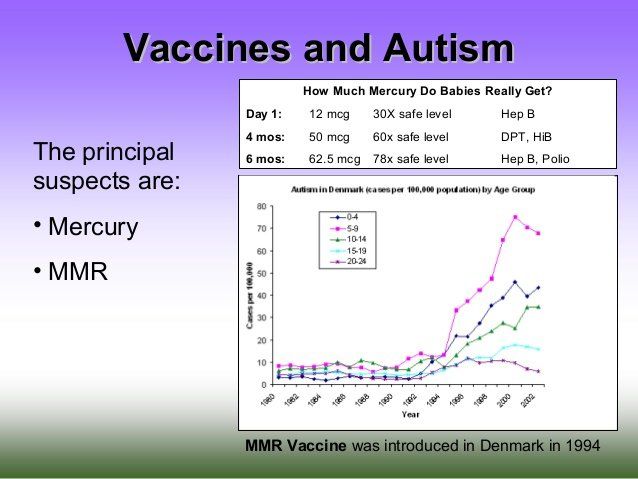
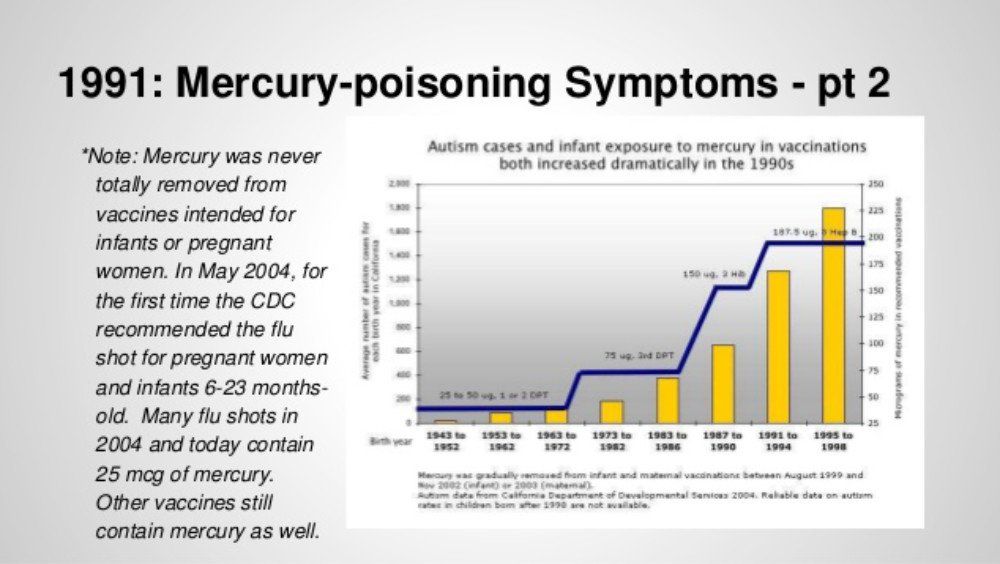
There’s ongoing debate about just how safe these dental amalgams really are, especially for younger children or those with conditions that make them more sensitive to Mercury’s effects. Dental associations and regulatory agencies often reassure the public that the risk is minimal for anyone over the age of six, but skeptics point out that, given Mercury’s cumulative nature in the body, even small daily exposures could add up over years. For many, the question lingers: is a metal-filled molar a minor convenience or a slow-drip exposure best avoided when possible? Then we have the vaccines where some are loaded with Mercury and injected right into the tissues of men, women, children and even toddlers. So if there are modern warnings of the dangers of Mercury, it seems that modern science and health departments of the United States have not limited the use of Mercury in these immunization programs, products or foods. In fact, our exposure to Mercury in our society keeps increasing. When it comes to the flu vaccine schedule that many people of all ages follow, the Mercury levels in the tissues can rapidly reach the danger zone. Nervousness and the risk of autism increase. Consequently, I see the population becoming more and more “the mad hatters” of our modern world. Quite frankly I am shocked.
How Mercury Ends Up in Our Fish—and Which Ones Carry the Most
So, you might be wondering: just how does mercury get into something as innocent as a filet of fish on your dinner plate? The story starts deep beneath your feet. Mercury is naturally present in the Earth’s crust, but thanks to volcanic eruptions and industrial pollution belching fumes into the sky, it doesn’t stay put. Instead, mercury vapor drifts up into the atmosphere and eventually settles back down onto lakes, rivers, and oceans. Once in the water, mercury transforms into its far more dangerous cousin, methylmercury—a neurotoxic heavy metal with a particular knack for making itself at home in aquatic life.
Here’s where things take a turn for the truly fishy. Methylmercury is absorbed by small organisms in the water. As bigger fish gobble up these microscopic morsels—and then even bigger fish devour them—the mercury moves up the food chain, magnifying as it goes. This is why the top predators of the sea often become floating treasure chests of mercury.
Which fish are the worst offenders? You guessed it—the big, long-lived ones. Swordfish, shark, king mackerel, and certain types of tuna are notorious for having the highest mercury levels. In short, the bigger and older the fish, the more likely it is to carry a heavy load of mercury.
It’s a vicious cycle that turns your hearty seafood dinner into a potential source of exposure—one more reminder that mercury isn’t just a relic of Victorian hat factories, but a very present part of our modern ecosystem.
The Mad Hatter's Disease and Big Business
Many natural health researchers claim that the annual flu vaccine is by far the most dangerous medical product in the world. For many years I always maintained that chemotherapy and radiation treatments were the most dangerous conventional therapies, being far more detrimental to the body’s system than the supposed cancer-treatment benefits they provide. But soon after reviewing the data, which include alarming statistics compiled for over a decade by the National Vaccine Injury Compensation Program (NVICP), https://www.hrsa.gov/vaccine-compensation/ the harmful side effects of vaccines—and what a big business the vaccine industry really is—became appallingly clear.
Mad hatters or not, profits primarily drive the decision-making for, and the marketing of, vaccines. You know what they say, whenever you want to pinpoint the truth about a debatable and growing trend, just follow the money. The immunization business is an apparent racket because one agency is promoting it, but it is also colluding with and supported by the federal government. The NVICP maintains that the CDC with the government’s endorsement promotes vaccine use for all citizens, including seniors, infants and even pregnant women. These vaccines coupled with neurotoxins are injected every year at an annual sum of over 200 million doses. That is big money. In fact, since 2006, over 1 billion doses of the flu shot have been administered. According to the Department of Health and Human Services, yearly since 2006, over 1 billion doses of the flu shot have been distributed. All U.S. vaccine manufacturers have been granted total legal immunity for any harm caused by their products, even though certain flu shots given to children in the United States still contain over 50,000 ppb of mercury. There are a few lawsuits and most pertaining to Guillain-Barre Syndrome get settled out of court. Nevertheless, there is a high amount of Mercury in many doses and the industry has government protection from most prosecution. With these astonishing amounts of Mercury, it is obvious that it has nothing to do with health and it is beyond normal profit margins. Indeed, this is a goose that endlessly lays golden eggs.
Modern Risks of Mad Hatter Syndrome
Ok, so now we know this is big business and a monopoly of the pharmaceutical industry being supported by the government. But just how dangerous is it? Many conditions can develop with advanced Mercury exposure, but in different people it can be a different outcome. The reality is the presence of high levels of this heavy metal has a multi-tiered effect. Not only will the neurological system suffer but also the endocrine system will suffer as well. For one thing, it is residual, meaning it cannot be flushed out of the body right away. Mercury will build up in the eyes and the kidneys, the brain, the thyroid and the liver. Yes, thyroid problems are on the rise. Many people who have received vaccines and developed hypothyroidism most likely have Mercury toxicity.
Excess Mercury has also been associated with the formation of cataracts and yes; intraocular lens implant surgeries to replace the natural cataract lens are also on the rise. With some unfortunate parents, cerebral palsy and mental retardation have been associated with Mercury toxicity from vaccines in their children. These health problems do not reverse.
But the list of potential neurological effects doesn't end there. Mercury exposure, especially in children with smaller lung capacity or developing fetuses exposed in the womb, can disrupt crucial aspects of brain development. This heavy metal can interfere with a child's ability to think, remember, pay attention, use language, coordinate movement, and even process spatial information. Once these injuries occur, the damage is often permanent and can affect the entire trajectory of a child's life.
Children are particularly at risk because their smaller lung capacity makes them more susceptible to inhaling mercury vapors. Additionally, if a pregnant woman has consumed fish or shellfish contaminated with mercury, her unborn child may be exposed in utero. This exposure can alter the development of the baby’s brain and nervous system, leading to lifelong challenges in cognitive function, memory, attention span, language development, physical coordination, and the ability to understand spatial relationships.
Some horrible side effects are Narcolepsy, Transverse myelitis and many other conditions. Conveniently, there are no long-term studies to test the safety of the influenza and other vaccines as the source of Mercury in many of these diseases. The bad news is most damages from the Mercury in the vaccines are permanent. While some sources claim that neurological symptoms from mercury poisoning can be reversible if the metal is successfully cleared from the body, the reality is that much of the harm—especially when it comes to neurological and developmental disorders—tends to be lasting and, for many, irreversible. Once mercury accumulates in sensitive organs like the brain, thyroid, or liver, its effects can persist for years or even a lifetime, with little hope for full recovery. Have we learned anything from our mistakes in the early 19th century 200 years ago? I am shocked to say we have not. Some countries and states like California have made vaccine schedules mandatory and because of this there are more
mad hatters today than ever before!
Outlook for Treated Mercury Toxicity
So what happens if someone actually gets timely treatment after Mercury exposure? The good news—yes, there is some—is that many of the neurological symptoms can improve once Mercury is properly removed from the body. The recovery isn’t magic, and it doesn’t happen overnight, but with effective detox protocols and real follow-through, people often regain much of their lost function. That said, this window for repair is not open forever, and delays in treatment can be devastating.
If intervention comes soon enough, there is hope. Neurological symptoms, sometimes frightening and severe, can be at least partially reversible once the toxic metal is cleared out. However, this is not a guarantee—especially if the damage has already reached a critical threshold or lingered unchecked.
But let’s be clear: if the heavy metal is allowed to linger and accumulate, that’s when you’re looking at truly permanent issues. Without intervention, Mercury doesn’t just politely fade away; instead, it can cause irreversible oxygen deprivation to the body’s tissues (hypoxia), lasting lung damage, or—worst of all—the kind of outcomes that don’t make for happy endings in medical textbooks. In other words, your best bet is early recognition and swift action; otherwise, Mercury doesn’t pull its punches.
To sum it up:
- Prompt treatment: Can allow for substantial recovery of neurological function and symptom relief.
- No treatment: Risks serious, permanent consequences, including hypoxia, permanent lung damage, and even death.
Mercury is ruthlessly efficient at wreaking havoc if ignored. Early action is everything.
What Are Chelating Agents—And How Do They Help?
Let’s say you do suspect Mercury has set up camp in your body—what then? This is where chelating agents step in to play the cleanup crew. Imagine them as the industrial-strength magnets of medicine: these special compounds circulate through your system and actually bind to heavy metals like Mercury, corralling them so they can be escorted safely out, primarily through urine.
How Chelation Therapy Works
The mainstay of treatment for mercury poisoning is to prevent any further exposure and then help the body get rid of the metal. If you walk into a clinic or emergency room with mercury toxicity, the initial steps may include:
- Providing oxygen if breathing is affected
- Administering bronchodilators to open up the airways and help you breathe
- Giving intravenous fluids to support your system and help flush things out
But here’s where it gets interesting: If tests reveal high levels of mercury in your blood or urine, doctors may bring out the big guns—chelating agents. These are drugs specifically designed to grab onto metals like mercury and help your body get rid of them through your urine.
Some of the heavy hitters in the chelation world include dimercaprol, penicillamine, unithiol, and succimer. Doctors use these agents especially if they find alarming levels of Mercury in your blood or when symptoms go beyond what oxygen and fluids can manage. It isn’t something you tackle casually—these medications are only administered under careful medical supervision.
Simply put: while Mercury exposure is devastatingly persistent, chelation is one of the few tools available to pull it from the body, though it cannot reverse all the damage already done. It’s a last line of defense, not a magic eraser.
However, there is light at the end of this pernicious tunnel. Many people who want an option in their health care treatments would be interested to know of a new division in the government’s Health and Human Services Department. Established in early 2018 in the United States is the Conscience and Religious Freedom Division. It is being set up as of this writing to allow citizens anywhere in the United States the right to refuse certain treatments, drugs or vaccines based on their religious belief or their conscience. For example, if they are a Jew or a vegan and want to refuse a vaccine because some of the ingredients are derived from pork, then they can refuse the vaccine without any problems. Or if someone who is in a 12 step problem and is clean and sober; they too can refuse any drug they wish in order to maintain their commitment to a life of sobriety. Importantly, if a parent in California decides they do not want to give their child vaccines they have a resource in the federal government to opt out and have their family vaccine free. What about you? Do you want your children to avoid being Mad Hatters? Are we really allowed to have more choices in our healthcare today? Finally there is real hope. Contact Conscience and Religious Freedom Division to find out your options -
Analyzing the Elements
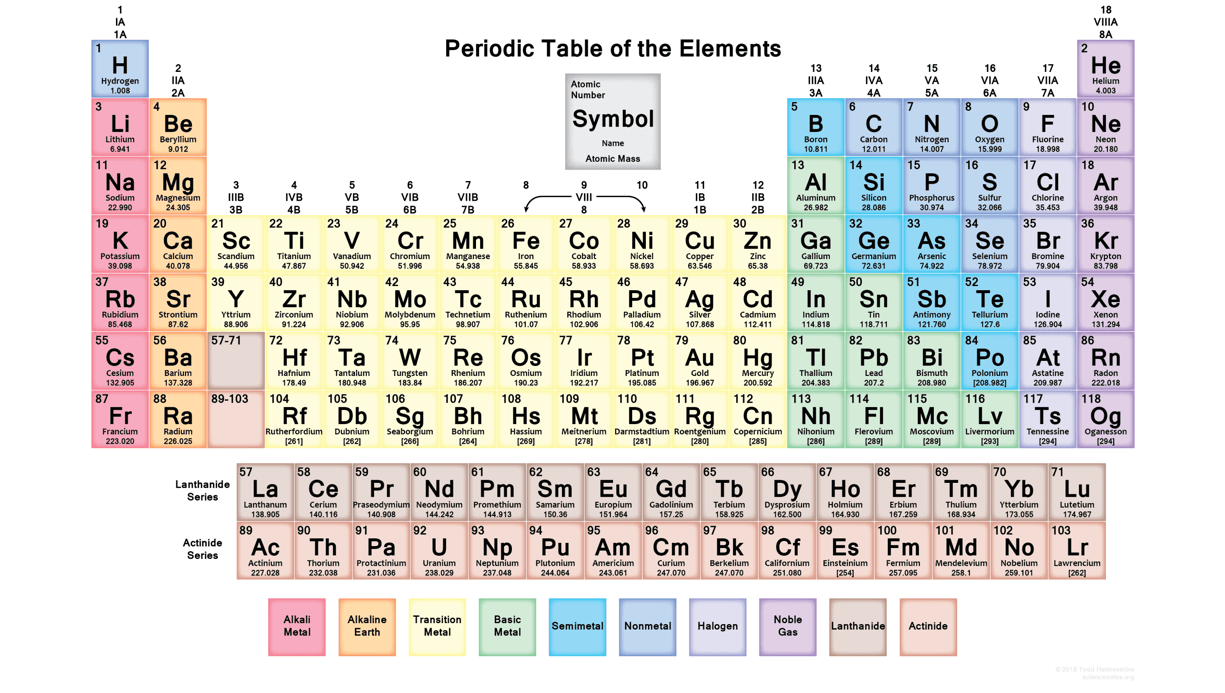
Have you ever looked at the Periodic Table of Elements? These elements make up everything in the universe! Everything; including us. In fact, we are the microcosm of the macrocosm. In Biblical terms, we are made in God’s image. In chemistry, we are composed mostly of about 40 elements on the Periodic Table. Our make up is essentially the combination of elements made flesh, with the spark of spirit that gives us life.
In the Hair Tissue Mineral Analysis (HTMA), the biological activity of 37 Elements is measured. They are: 15 important Nutritional Elements, 8 Toxic Heavy Metals, 14 Trace Elements. With the information of the HTMA, we now know what is available and being used in the body or what is lacking. Health begins to deteriorate when cell metabolism does not have the right foods and elements it needs. A mineral imbalance follows. Over time, function goes down and structure begins to lose its integrity. With the right foods and a balance of elements on a daily basis the body’s cells will repair and reverse aging.
Would you like me to search for more information about the symptoms of mad hatter syndrome?
If you suspect you or your loved ones may have been exposed to mercury—especially in vapor form—it’s wise to consult with your healthcare provider. Prompt attention is especially important if you notice any symptoms that might be related to mercury poisoning, such as tremors, mood changes, memory problems, or unusual physical sensations. Doctors can diagnose mercury toxicity with blood tests, toxicology analyses, or X-rays, to help determine the extent of exposure and guide the right treatment.
The HTMA will show:
- How to avoid disease states
- Any toxic or heavy metal overload
- A complete profile of 37 different elements
- The correct diet schedule based on your biochemistry
Best Selling author Johnny Delirious worked with one of the first pioneers to use the scientific modality - Hair Tissue Mineral Analysis (HTMA), to get the right diet and supplements to experience life free of disease. The guessing game to achieve good health is over. Today he gives his expert advice with over 40 years of experience as a professional in the health industry.

Dr. Michael Rudulph Maxon, AKA Johnny Delirious, Laboratory Naturopathic Doctor, gives expert advice rooted in holistic healing principles, drawing on 40 years of professional experience in the health industry. He helps his patients recover and heal using food and Ancient Greek therapies, utilizing organic remedies that are all backed by modern laboratory science. He is unquestionably the only TRUE Addiction & Hepatitis A, B, and C Recovery Pioneer. Free of mood-altering substances (cocaine) since 1991, with no viral load or antibodies of hepatitis since 1994, and no cirrhosis since 1995. Nobody in his life—including doctors, friends, and family—thought he would live past 1992; they all said he was going to die. But, Johnny chose life, not death, and learned how to heal his body, mind, and spirit by developing new protocols with natural therapies, including the thoughtful application of homeopathic remedies where appropriate. For over 20 years, he has helped many others recover, including professionals like doctors, dentists, and lawyers, who prefer alternative medicine over chemical drugs or surgery to address the same conditions that everyone said were hopeless.
Contact Johnny for a Hair Tissue Mineral Analysis (HTMA) to get the right diet, supplements, and expert advice, benefiting from his 30 years of experience in these specialized protocols.
United States - 972-825-7912
http://www.johnnydelirious.com