Digestive Reset: A Practical 7–14 Day Plan to Restore Your Gut Health
Key Takeways
- A digestive reset is a 7–14 day, food- and lifestyle-based gut reset to calm gut inflammation, support the gut microbiome, and improve digestion without extreme cleanses.
- The plan uses a gut friendly diet: high fiber foods, probiotic rich foods, fermented foods, proper hydration, quality sleep, and lower stress levels.
- The Master Survivor University and Dr Johnny support improving gut health with HTMA, gut microbiome testing, functional nutrition, Ancient Greek healing, and total gut restoration.
- Consult a qualified healthcare provider or primary care physician if you have inflammatory bowel disease, crohn's disease, celiac disease, severe irritable bowel syndrome, autoimmune diseases, medications, blood in stool, weight loss, or severe abdominal pain.
- Lasting digestive health comes from daily lifestyle habits over weeks to months, not quick fixes.
What Is a Digestive Reset (and What It’s Not)?
A digestive reset involves an intentional, structured approach to restoring balance to your gut microbiome. It focuses on the digestive system, digestive tract, gut lining, digestive balance, and overall gut health through food, sleep, stress management, and movement.
It is not a juice cleanse, starvation fast, or laxative detox. Instead, it removes irritants, adds the right foods, improves circadian rhythm, and supports the nervous system to reduce bloating, aid digestion, improve bowel movements, and stabilize mood and energy.
At The Master Survivor University, digestive reset protocols blend Ancient Greek healing concepts-terrain, elements, and humors-with modern naturopathic science, HTMA, gut microbiota analysis, bioenergy devices, and personalized gut restoration.

Common Signs You May Need a Digestive Reset
Persistent digestive issues such as bloating, gas, diarrhea, or constipation are common signs of an unhealthy gut. Other clues include acid reflux, slow digestion, food intolerances, irritable bowel symptoms, irregular bowel movements, and difficulty digesting certain foods.
Fatigue can be a sign of an unhealthy gut, as impaired nutrient absorption may lower energy. Frequent illness may indicate gut imbalances, because poor gut health can weaken the immune system and healthy immune system function. Skin problems such as eczema or acne are often associated with gut health issues, suggesting imbalance in gut bacteria.
Higher anxiety, low mood, and irritability can reflect disrupted gut balance. Seek urgent medical care for blood in stool, unexplained weight loss, night sweats, severe pain, persistent vomiting, or worsening symptoms.
The Science Behind a Gut Reset
The gut microbiome contains trillions of beneficial microbes. These gut bacteria help digest fiber, produce essential nutrients, regulate inflammation, train the immune system, and support human health. A balanced diet rich in fiber, fruits, vegetables, and fermented foods supports a healthy gut by promoting beneficial bacteria growth.
Processed foods, refined sugars, artificial sweeteners, chronic stress, sleep loss, excess alcohol, frequent antibiotics, and NSAIDs can negatively affect digestive function, damage the gut lining, increase harmful bacteria, and disrupt gut microbiota composition.
Incorporating a variety of plant-based foods, such as fruits, vegetables, legumes, and whole grains, can help develop a diverse gut microbiome, which is essential for gut health. A highly diverse microbiome reduces the risk of chronic issues like Irritable Bowel Syndrome (IBS) and metabolic syndrome. Research shows fiber can increase Bifidobacterium and butyrate production; one review found meaningful shifts in beneficial gut bacteria and fecal butyrate after fiber interventions (AJCN review).
Dr Johnny uses HTMA and comprehensive stool-based gut microbiome testing to track mineral patterns, toxic burden, good bacteria, harmful bacteria, inflammation markers, yeast, and microbial diversity-not symptoms alone.
Step-by-Step Digestive Reset Plan (7–14 Days)
Choose a Monday start date. Track meals, sleep, stress levels, physical activity, water, symptoms, and regular bowel movements. Staying hydrated by drinking at least 64 ounces of water daily can help calm the gastrointestinal tract and support digestion during a gut reset.
- Days 1–3: Remove & Calm.
- Days 4–10: Rebuild & Feed.
- Days 11–14: Stabilize & Integrate.
Build meals around vegetables, legumes, fruits, nuts, seeds, whole grains if tolerated, clean proteins, amino acids from foods like bone broth, and anti inflammatory properties from herbs.
Caution: irritable bowel syndrome, inflammatory bowel disease, crohn's disease, celiac disease, major surgery, pregnancy, or immunosuppressants require customization with a qualified healthcare provider.
Phase 1 (Days 1–3): Remove Irritants and Calm the Digestive System
The initial phase focuses on removing foods and compounds known to damage the intestinal lining and cause dysbiosis.
Pause processed foods, ultra-processed snacks, refined sugars, refined carbohydrates such as white bread and pasta, alcohol, deep-fried foods, fried and fatty foods, artificial sweeteners, and possibly gluten or dairy. Processed and sugary foods can disrupt the balance of bacteria in the gut and lead to digestive issues. Refined carbohydrates, such as white bread and pasta, lack fiber and can cause spikes in blood sugar levels, leading to inflammation in the gut.
Eat vegetable broth, bone broth, cooked carrots, zucchini, squash, white rice, quinoa, fish, chicken, ginger tea, and chamomile. Excessive alcohol intake can damage the gut lining and promote the growth of harmful bacteria. Fried and fatty foods can contribute to inflammation in the digestive system and may increase the risk of developing gut disorders.
Mild headaches or cravings may appear, especially as processed foods leave the diet, and often settle by day 3.
Phase 2 (Days 4–10): Rebuild with High Fiber Foods and Fermented Foods
This is the core rebuilding phase. Incorporating a diverse range of 30 different plant types each week, including fruits, vegetables, legumes, and whole grains, can significantly improve gut health and microbiome diversity.
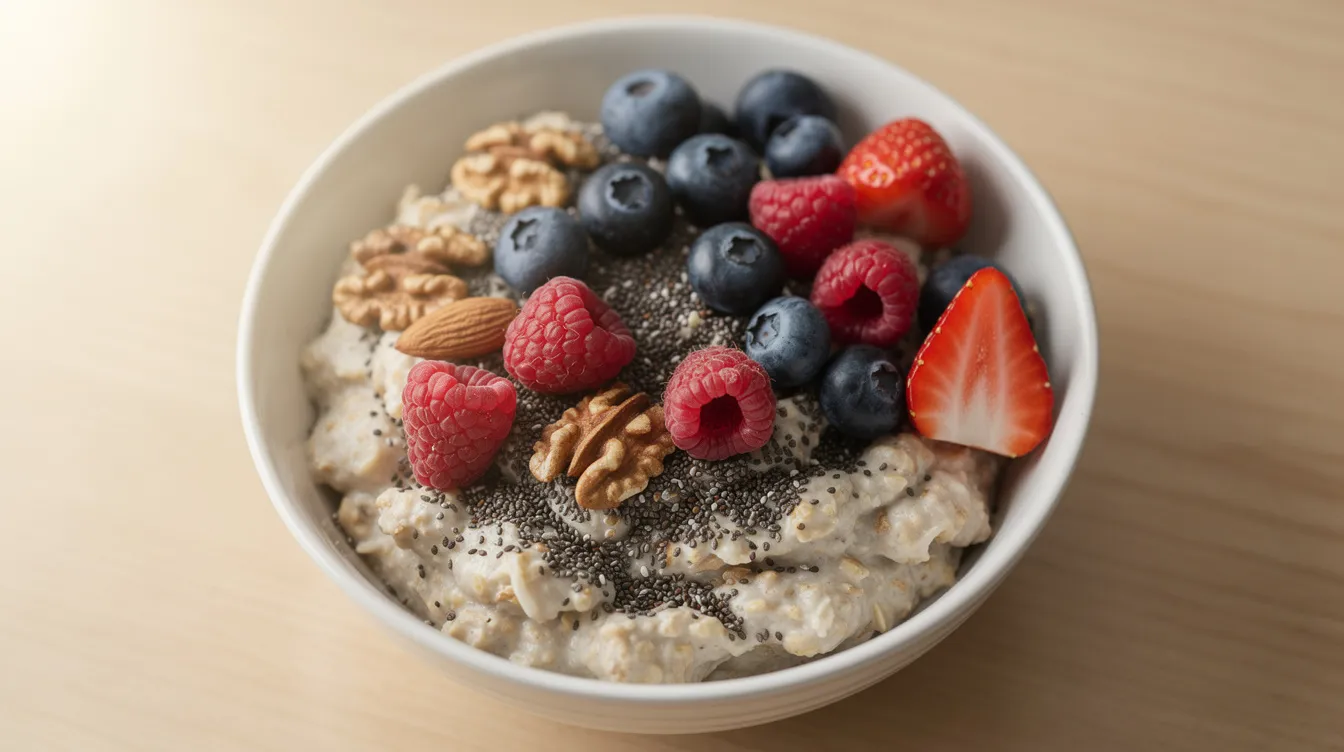
Increase fiber gradually toward 25–38 grams daily. Choose oats, lentils, chickpeas, chia seeds, berries, apples, bananas, artichokes, asparagus, onions, garlic, leafy greens, nuts, seeds, and herbs. Prebiotics are non-digestible fibers that feed beneficial gut bacteria, helping them grow and thrive, and are found in foods like garlic, onions, and bananas.
Probiotics are live bacteria and yeasts that are beneficial for gut health, helping to populate the gut with good bacteria and improve digestion. Add fermented vegetables, sauerkraut, kimchi, kefir, yogurt, miso, or tempeh as tolerated. Incorporating both probiotics and prebiotics into your diet can help decrease inflammation in the gastrointestinal tract and support overall gut health.
Use olive oil, avocado, walnuts, flaxseed, cold-water fish, turmeric, rosemary, and green tea to reduce inflammation and reduce gut inflammation.
Phase 3 (Days 11–14): Stabilize Habits and Listen to Your Gut
Transition from a strict reset into sustainable good gut health. Reintroduce paused foods one at a time, then journal symptoms for 48–72 hours.
Keep a high baseline of plants, fermented foods, and whole foods. If dairy, gluten, red meat, or high-fructose foods trigger bloating, cramping, diarrhea, or irritable bowel symptoms, slow down. High-fructose foods can lead to bloating, cramping, and diarrhea in individuals with irritable bowel syndrome (IBS) or other digestive issues.
If symptoms persist, Dr Johnny can build a personalized protocol using HTMA, microbiome analysis, digestive enzymes when appropriate, and total gut restoration.
Daily Rhythm: When to Wake, Sleep, and Eat for Better Gut Health
Circadian rhythm affects gut motility, hormones, and digestive balance. Wake around 6:30–7:30 a.m. and sleep around 10:30–11:00 p.m. Enough quality sleep (7-9 hours) allows the gut microbiome to repair and regenerate.
Eat breakfast within 1–2 hours of waking, a balanced lunch, and a light dinner at least 3 hours before bed. Practicing consistent meal times helps regulate digestive rhythm.
Regular physical activity can positively impact gut health by promoting efficient digestion and reducing inflammation. Regular physical activity, such as walking or exercising for at least 30 minutes a day, can stimulate digestion and promote overall gut health during a gut reset. Exercise regularly to prevent constipation and improve good digestion.
Foods That Support a Digestive Reset
Use these right foods often:
- High fiber foods: oats, lentils, beans, chickpeas, chia seeds, berries, apples, leafy greens, whole grains.
- Prebiotic foods: garlic, onions, asparagus, artichokes, bananas.
- Probiotic rich foods: yogurt, kefir, fermented vegetables, kimchi, sauerkraut, miso.
- Gut-soothing foods: bone broth, ginger, cooked vegetables, herbal teas.
- Anti-inflammatory foods: turmeric, rosemary, green tea, walnuts, olive oil, omega-3 fish.
These support digestion, improve nutrient absorption, nourish beneficial bacteria, and help restore balance.
Foods and Habits to Limit During Your Gut Reset
Limit refined sugar, high-fructose corn syrup, processed meats, deep-fried fast foods, alcohol, artificial sweeteners, frequent late-night meals, screen eating, constant snacking, and rushed chewing.
Some people temporarily reduce gluten and conventional dairy, then reintroduce strategically. Avoid unnecessary antacids or NSAIDs without a qualified healthcare provider, because they may affect the gut lining and microbiome.
Stress, Sleep, and the Mind–Gut Connection
The vagus nerve and enteric nervous system act like a “second brain.” Chronic stress can change stomach acid, motility, gut inflammation, and microbiome balance.
Managing stress through techniques like yoga and meditation is crucial for maintaining gut health, as chronic stress can negatively impact the gut-brain connection and digestion. Use 5–10 minutes daily of slow breathing, prayer, journaling, meditation, or gentle yoga.
At The Master Survivor University, nervous-system work, breathwork, and bioenergy support are considered as important as diet for long-term gut health, colonic flora balance, and mental well being.
How The Master Survivor University and Dr Johnny Support Digestive Resets
The Master Survivor University is a B2C educational and healing institution merging Ancient Greek healing wisdom with modern naturopathic protocols, functional nutrition, cellular longevity, and bio-optimization.
For gut reset clients, Dr Johnny’s services may include comprehensive intake, Hair Tissue Mineral Analysis, gut microbiome testing, Total Gut Restoration 3Rs protocols, bioenergy healing devices, lifestyle coaching, digestive enzymes guidance, and personalized nutrition.
HTMA can reveal mineral imbalances, toxic metals, stress adaptation patterns, and cellular longevity clues. Gut microbiome testing as part of an optimized naturopathic health plan with personalized lab testing can identify bacterial diversity, overgrowths, yeast issues, inflammation markers, good gut bacteria, and whether you have a balanced microbiome or need deeper support.
About Dr Johnny
Dr Johnny is the founder of The Master Survivor University and an integrative practitioner focused on gut restoration, Ancient Greek healing philosophies, and modern naturopathics. He guides clients with chronic digestive issues, fatigue, and stress-related disorders through structured digestive reset and restoration programs.
He also trains practitioner-level students through tiered certification programs in HTMA, microbiome interpretation, naturopathic protocols, bioenergy methods, and safe gut health education as part of his work as an expert in naturopathic healing solutions.
When to Work With a Qualified Healthcare Provider
Mild gas or fatigue can happen during a reset. But speak with a primary care physician or qualified healthcare provider before or during a reset if you have unexplained weight loss, blood in stool, persistent vomiting, severe abdominal pain, inflammatory bowel disease, celiac disease, major surgery, pregnancy, breastfeeding, diabetes medications, blood thinners, or immunosuppressants.
This article is educational and not emergency care or personalized medical advice.
Maintaining Gut Health After Your Reset
A 7–14 day digestive reset is a pattern interrupt. Keep 20–30 plant foods weekly, drink water, move daily, sleep consistently, and keep one stress ritual.
Repeat a gentle 7-day mini-reset seasonally or after travel, holidays, or high stress. The Master Survivor University offers ongoing natural healing education through tiered programs, practitioner training, consultations, and protocol updates for clients and trainees.
The Benefit of Microbiome Laboratory Testing and the Total Gut Restoration Program
Microbiome Laboratory Testing is an advanced diagnostic tool that analyzes the composition and diversity of your gut bacteria, yeast, and other microorganisms. Unlike standard digestive assessments, this testing provides detailed insights into microbial imbalances, inflammation markers, and the presence of harmful pathogens that can disrupt gut health and overall wellness.
Dr Johnny at The Master Survivor University integrates Microbiome home stool test technology with his Total Gut Restoration program to deliver personalized, evidence-based protocols. By understanding the unique microbial landscape of each client, he crafts targeted interventions that address dysbiosis, reduce gut inflammation, and promote a balanced microbiome essential for optimal digestion and immune function.
The Total Gut Restoration program combines cutting-edge laboratory insights with functional nutrition, lifestyle coaching, and bioenergy healing to support comprehensive gut healing. Clients benefit from customized dietary plans, probiotic and prebiotic recommendations, detoxification strategies, and stress management techniques designed to restore gut integrity and improve systemic health.
With Dr Johnny’s expertise, Microbiome Laboratory Testing becomes a cornerstone for precise gut health evaluation, enabling effective, long-lasting digestive resets. This integrative approach empowers clients to regain energy, reduce digestive symptoms, and achieve sustained gut balance for enhanced quality of life.

Frequently Asked Questions About a Digestive Reset
How fast can I expect to feel results from a digestive reset?
Many people notice lighter digestion, reduce bloating, and more regular bowel movements within 3–7 days. Deeper changes in the healthy gut microbiome and systemic inflammation usually take weeks to months.
Can I do a digestive reset if I’m very busy or have a family?
Yes. Batch soup, chop vegetables on Sunday, use overnight oats, smoothies, simple proteins, and family meals built from the same base foods. The Master Survivor University provides templates to make this easier, and listeners can also learn through the Revolution Radio Show hosted by Dr Johnny.
Do I need supplements for a successful gut reset?
Not always. Food, sleep, hydration, movement, and stress management come first. Some people benefit from probiotics, digestive enzymes, minerals, or targeted nutrients based on HTMA and microbiome testing.
Is a digestive reset safe during pregnancy or breastfeeding?
Avoid restrictive cleanses. Gentle changes like more vegetables, water, and sleep hygiene may help, but pregnant or breastfeeding individuals should work with their maternity care provider.
How do I know if I need lab testing like HTMA or microbiome analysis?
Testing is useful when symptoms are chronic, complex, or unchanged after several weeks

Dr. Michael Rudulph Maxon, AKA Johnny Delirious, Laboratory Naturopathic Doctor, gives expert advice rooted in holistic healing principles, drawing on 40 years of professional experience in the health industry. He helps his patients recover and heal using food and Ancient Greek therapies, utilizing organic remedies that are all backed by modern laboratory science. He is unquestionably the only TRUE Addiction & Hepatitis A, B, and C Recovery Pioneer. Free of mood-altering substances (cocaine) since 1991, with no viral load or antibodies of hepatitis since 1994, and no cirrhosis since 1995. Nobody in his life—including doctors, friends, and family—thought he would live past 1992; they all said he was going to die. But, Johnny chose life, not death, and learned how to heal his body, mind, and spirit by developing new protocols with natural therapies, including the thoughtful application of homeopathic remedies where appropriate. For over 20 years, he has helped many others recover, including professionals like doctors, dentists, and lawyers, who prefer alternative medicine over chemical drugs or surgery to address the same conditions that everyone said were hopeless.
Contact Johnny for a Hair Tissue Mineral Analysis (HTMA) to get the right diet, supplements, and expert advice, benefiting from his 30 years of experience in these specialized protocols.
United States - 972-825-7912
http://www.johnnydelirious.com