The Naturopathic Approach to Chronic Fatigue: Root Causes and Natural Solutions
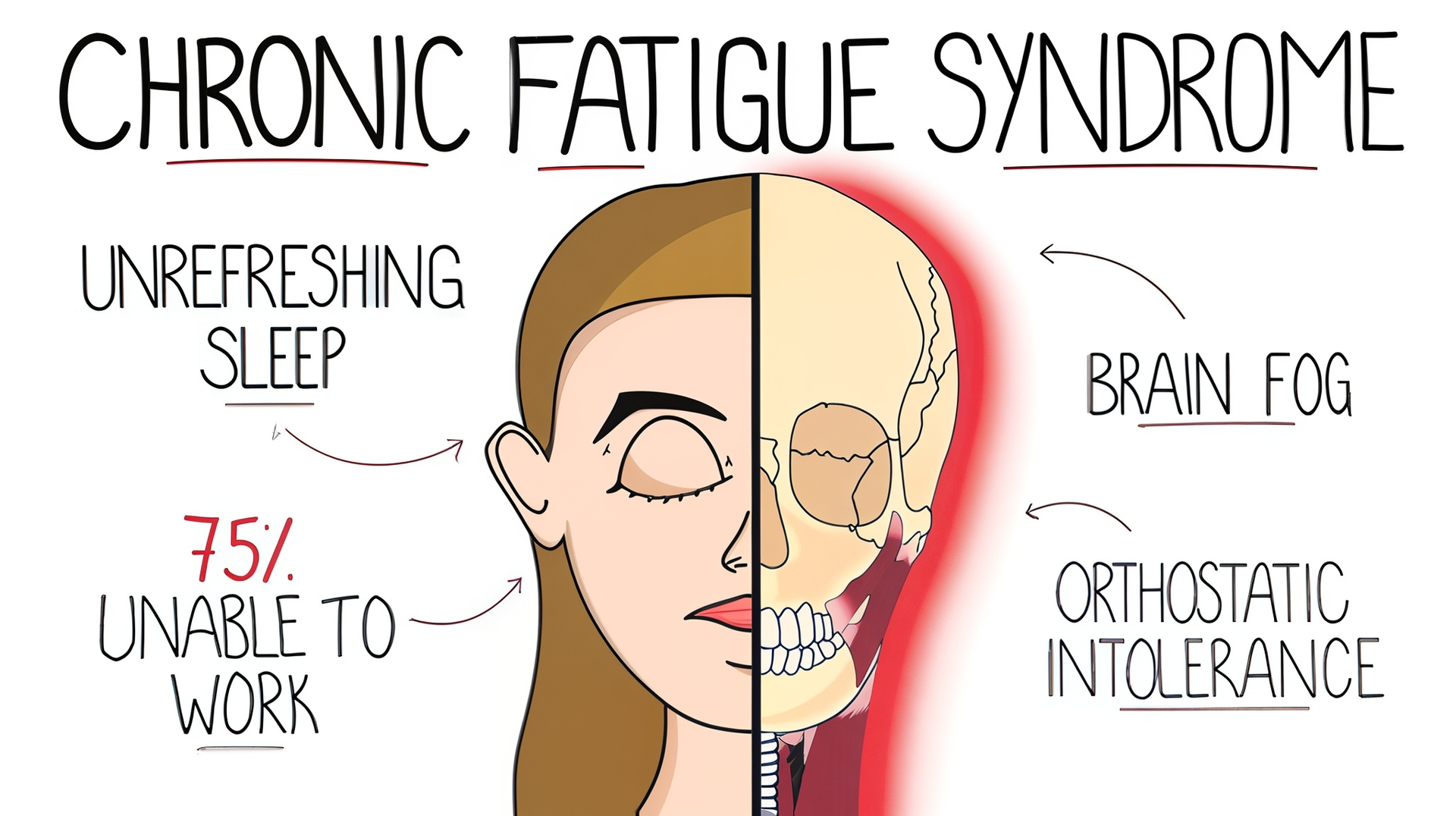
Fatigue is one of the most common complaints reported in doctor's offices today. What most people do not realize is that fatigue is not just an isolated symptom that should be treated like another illness. Fatigue is indeed a basic energy imbalance in the body. This can be due to glandular imbalances, toxic metals, nutrient deficiencies, improper bowel flora, chronic infections and other metabolic disturbances.
The body is an energy-producing machine. Energy is required for all bodily functions and for the regeneration of all body tissues. When the body's energy production decreases, all body functions are affected and adrenal fatigue symptoms occur. Simply put, fatigue is an outward symptom. However, it is really a basic metabolic derangement that affects all body systems, from the nervous system to the immune system.
Fatigue Versus Burnout
Most people are not simply fatigued, fatigue is a condition that is relieved with a good night's sleep. Most people are actually in a state of burnout. The core problem is mitochondrial dysfunction that burnout causes. The difference is that burnout is a deeper derangement of body chemistry in which the body cannot regenerate itself during sleep. This causes a chronic and often relentless type of fatigue that is not corrected by just a few nights of deep sleep. In fact, many people in burnout just keep going using stimulants and without much sleep because they realize that sleeping does little to correct their problem.
The Functional Medicine Angle: Pinpointing Adrenal Fatigue
When it comes to diagnosing adrenal fatigue, functional medicine takes the scenic route—looking far past just surface-level symptoms. Instead, practitioners dig deep to find the metabolic roots of low energy, using a series of targeted tests that provide a window into how the body's stress response is really operating.
One cornerstone of this approach is the saliva cortisol panel. This simple test tracks your cortisol—your main stress hormone—at several points throughout the day. Healthy adrenal glands should produce high cortisol in the morning (to get you moving) and a gradual decline toward bedtime (to get you sleeping). When this rhythm is out of tune, it’s a red flag for adrenal dysfunction.
But that’s not the whole story. Functional medicine doctors often order blood work to check on hormones like DHEA-S, which—alongside cortisol—offers a snapshot of your adrenal output and reserve. If DHEA-S is out of range, it often points to deeper stress adaptation issues within the body.
Functional medicine doesn’t overlook the gut, either. Many chronic fatigue and adrenal issues stem from imbalances in the gut microbiome or lingering infections. Comprehensive stool testing helps uncover hidden contributors—think opportunistic bacteria or low-grade inflammation—that might be quietly wearing down your system.
A key point: thoroughness matters here because the journey to recover healthy adrenal function is a marathon, not a sprint. Without pinpointing these underlying biochemical imbalances, people often bounce from one unhelpful remedy to the next.
By mapping out the full landscape—adrenal rhythms, hormone reserves, and deeper gut health—functional medicine provides a roadmap for restoring not just your energy, but your capacity to heal on every level.
Stress Management Techniques To Correct Fatigue And Burnout
Our bodies are self-correcting organisms. If one takes enough stress off the body, and assuming the body is not damaged beyond repair, it can and will rebuild and heal itself. However, this may require many healing modalities.
Nutritional balancing science focuses on the correction of the energy system of the body. It is designed to reduce biochemical stress on the body. Naturopathic doctors for fatigue know that stress management must address stress from outside the body as well as from within. External stress can include financial, social, work and family stress. Internal stress factors can include lack of sleep, nutrient deficiencies, toxic metals in the body, infections, and negative thoughts and emotions. To correct most cases of fatigue at the deepest level involves reducing all these types of stress.
How Long Does Recovery from Adrenal Fatigue Typically Take?
Naturally, one of the most common questions I hear in practice is, “How long will it take to truly recover from adrenal fatigue?” The truth? The timeline can vary widely depending on the individual’s level of exhaustion, underlying contributors, and dedication to the healing process.
For most people following a comprehensive healing protocol—including removing sources of stress, correcting imbalances, and restoring key nutrients—significant improvement can be seen within 6 to 9 months. In more deeply depleted cases, it may take a year or more to fully restore optimal energy and vitality.
What’s important to remember is that quick fixes or chasing after the latest supplement trend rarely address the root cause. True recovery comes from understanding the intricacies of your own metabolism and rebuilding your energy at a foundational level. Trying to mask symptoms without targeted testing (such as hair tissue mineral analysis from Analytical Research Labs or similar labs) and a personalized approach can lead to frustration and wasted time.
Patience and persistence are your greatest allies. Unlike masking symptoms, rebuilding lost vitality takes persistence—a marathon, not a sprint.
Nutritional Balancing, Energy Levels, And Fatigue
Analytical Research Labs nutrition programs are specifically designed to rebuild and restore a person's energy system. It is important to realize this is a very different focus from most nutrition programs that primarily are designed to correct symptoms.
By focusing on the body's energy system, we correct at a deeper level. Often the program will head off or correct latent conditions that the patient is not the slightest bit aware of. Our only difficulty is explaining this idea and convincing patients to stay with the program while these deeper corrections take place. Fatigue, in other words, is often just the tip of the iceberg. It is often a symptom of much deeper imbalances that need attention so that major conditions do not develop later.
Dual Focus Nutritional Correction
In addressing fatigue, our nutritional programs address many aspects of the problem. These include improving the diet, improving the digestive process, toxic metal elimination, and most importantly, balancing and strengthening the energy production system. A unique feature of the Analytical Research Labs nutrition programs is they always address two key aspects of the body's energy system. These are the oxidation rate and the energy pathway, which we explore in depth using hair trace element analysis.
The oxidation rate has to do with the rate of all chemical reactions in the body, and is intimately related to thyroid and adrenal glandular activity and the balance of the sympathetic and parasympathetic nervous systems. To assess this rate, we use the hair mineral analysis. Without the test, this assessment is difficult or impossible to determine. Others use questionnaires, blood and urine tests or other means to assess the metabolic type. We do not find these as useful as a properly performed and properly interpreted hair mineral analysis.
While the hair mineral analysis remains our preferred method for determining the oxidation rate and guiding nutritional balancing, it’s worth noting that a thorough approach to fatigue and adrenal health often involves additional investigative tools. For example, some practitioners may utilize 24-hour saliva cortisol panels, which track how your stress hormone (cortisol) fluctuates throughout the day. These panels can help identify disruptions to your natural cortisol rhythm—typically high in the morning and lower at night—which are common in chronic stress or adrenal fatigue.
Comprehensive blood work, including markers such as DHEA-S, can offer further insight into adrenal gland function. Stool testing may also be recommended in certain cases to uncover gut imbalances or digestive issues that can affect overall energy production and adrenal health. These tools, while sometimes useful for gaining a broader view of bodily imbalances, are considered adjuncts to the foundational information provided by a properly interpreted hair mineral analysis.
By integrating both advanced mineral analysis for stress assessment and, when appropriate, select modern testing methods, we can more deeply understand the underlying causes of fatigue and tailor nutritional programs to restore and rebalance the body’s energy system at its core. Balancing the ratios of calcium/potassium and sodium/magnesium is like tuning up an engine or running the engine at the best possible speed to obtain the most power. Dr. Paul Eck researched these ratios and how to adjust them with diet, nutritional supplements and lifestyle correction.
The Role of Vitamins and Adaptogenic Herbs in Adrenal Fatigue
Addressing adrenal fatigue often goes beyond just correction of the energy system—it includes supporting that correction with specific nutrients and botanicals. Certain vitamins, such as B vitamins and vitamin C, are crucial for proper adrenal gland function. These nutrients are rapidly depleted when the body is under continuous stress. Supplementing with high-quality, bioavailable versions of these vitamins can help replenish stores, support hormone synthesis, and improve overall resilience to stress.
Adaptogenic herbs also play a valuable role for those struggling with fatigue. Ashwagandha and holy basil, for example, have a long history in Ayurvedic medicine and are now supported by a growing body of research, and herbs like ginseng and ashwagandha are used in treatment, with ginseng commonly used for chronic fatigue treatment. These adaptogens gently modulate the body’s stress response system, particularly the hypothalamic-pituitary-adrenal (HPA) axis. By helping to normalize cortisol production, they can stabilize energy levels, enhance resilience, and contribute to a greater sense of calm throughout the day.
The proper use of herbal medicine, vitamins, and adaptogens fits seamlessly into nutritional balancing science, complementing dietary improvements and energy system rebuilding. When combined with tailored detoxification and lifestyle adjustments, these tools support a more thorough and lasting recovery from adrenal burnout.
The Role of Epsom Salt Baths and Magnesium
Another practical tool to support adrenal recovery is the use of Epsom salt baths. Epsom salts are a source of magnesium sulfate, and when added to warm bathwater, they provide an opportunity for gentle absorption of magnesium through the skin.
Magnesium is a key mineral for countless biochemical processes, including the regulation of cortisol and the calming of the nervous system. Many individuals dealing with adrenal fatigue are unknowingly low in magnesium, which can further compromise the proper functioning of the adrenals and overall energy production.
A relaxing Epsom salt bath in the evening not only delivers this essential mineral but also encourages a state of relaxation. This can ease muscle tension, quiet a racing mind, and foster more restorative sleep—all of which are important for allowing overburdened adrenal glands the chance to recover.
Incorporating Epsom salt baths a few times each week is a simple, nurturing habit. It fits well alongside a nutritional balancing program aimed at restoring the energy system from multiple angles.
Low-Carb Diets and Adrenal Stress
It is worth noting that restrictive low-carbohydrate diets, while popular for weight loss, may actually contribute to adrenal stress in some individuals. When the body receives fewer carbohydrates than it needs, blood sugar levels can begin to drop. The body must then call upon the adrenal glands to release additional cortisol in an effort to keep blood sugar within a safe range. This extra demand on the adrenal glands can be problematic, especially for anyone already coping with fatigue or burnout.
Over time, this chronic stimulation of the adrenals—just to maintain steady energy—can make the situation worse. Instead of revitalizing the body's energy system, consistently low carbohydrate intake can further tax the glands responsible for managing stress and energy production. Many naturopathic doctors recommend a balanced approach that provides sufficient complex carbohydrates to support steady blood sugar as part of a comprehensive fatigue correction program.
Celtic Sea Salt and Adrenal Function
Balanced mineral intake plays a crucial role in restoring proper adrenal function, particularly when addressing fatigue and burnout. Celtic sea salt, for example, is a valuable addition because it provides a broad spectrum of trace minerals—not just sodium, but also magnesium, calcium, and potassium—that are essential for adrenal activity and overall electrolyte balance.
Adequate sodium, in particular, supports adrenal glands as they regulate stress response, fluid balance, blood pressure, and energy production. Many individuals experiencing adrenal fatigue actually benefit from a little extra unrefined sea salt in their diet. Simply adding a pinch to your morning water or lightly salting meals throughout the day can gently support the body’s natural processes. Of course, moderation remains important; the goal is to enhance mineral intake without overwhelming the system.
By incorporating mineral-rich sea salts like Celtic sea salt into your nutritional protocol, you help ensure that the adrenal glands have the raw materials required to rebuild and function optimally. This forms one small, practical step within the broader framework of nutritional balancing science for combating chronic fatigue.
The energy pathway are all the steps required for food to be digested, absorbed, metabolized in the liver and finally utilized in the cells as ATP (adenosine triphosphate). This pathway requires sufficient digestive enzymes, detoxifying the liver, proper cell permeability, and adequate amounts of a wide variety of nutrients. It also requires removing toxic metals, toxic chemicals, infections and other blockages that damage the energy pathway.
Other Aspects Of Fatigue Correction
In addition to the nutritional balancing program with energy boosting supplements along with other factors at times are of critical importance as well. These include lifestyle, detoxification, mental and emotional factors and at times a need for other forms of therapy.
Lifestyle. Fatigue may be due in part to doing too much, not sleeping enough or working at a job that is inappropriate for oneself. The most important lifestyle factor for most people is to get more rest and sleep. Many people who are fatigued experience fatigue-related sleep problems, including sleep disturbances, which just compounds their problem. A vicious cycle occurs in which the body becomes imbalanced, such as the calcium and magnesium become biounavailable, so that one cannot rest and relax well. Also, toxic metals, including copper, mercury lead and others build up, which also interfere with nervous system relaxation. Understanding the nutritional relationships of copper can be especially important here. The lack of rest in turn causes more imbalances and toxicity, which makes deep sleep even more difficult.
Developing healthful eating habits is another important lifestyle factor. Choosing whole, unprocessed foods and including adequate healthy carbohydrates in the diet can help stabilize blood sugar levels and support adrenal function—both of which are critical for reversing fatigue. Restrictive, low-carbohydrate diets may actually place additional stress on the adrenal glands, as the body compensates for low blood sugar by increasing cortisol production.
Aim for meals that emphasize fresh vegetables, quality proteins, and moderate amounts of complex carbohydrates such as brown rice, quinoa, or sweet potatoes. Avoiding processed foods and hydrogenated oils is also essential, as these can overload the body's detoxification systems and contribute to energy imbalances. By making thoughtful food choices and correcting nutritional deficiencies, you can help restore energy, support adrenal health, and promote overall well-being. Additional lifestyle factors needed to recover from burnout include simplifying one's life to reduce pressure and stress, not living beyond one's means and living in a quiet, clean and healthful environment.
Also important, and often overlooked, is avoiding too much exercise, as most often this just makes one more tired in the long run and in some people with chronic fatigue syndrome can trigger a crash called post-exertional malaise. Gentle physical activity such as deep breathing, stretching and other practices such as yoga or tai chi are far better than vigorous exercise to help recover from chronic fatigue.
Managing stress with stress management techniques is equally vital. Chronic stress is a major contributor to fatigue, so adopting regular relaxation techniques can make a significant difference. Practices like meditation, gentle yoga, or simply taking time for deep breathing exercises throughout the day can help calm the nervous system and restore energy.
It's essential to avoid over-committing and to recognize your limits—learning to say no when you’re overwhelmed is an important skill. Maintaining balance and giving yourself permission to rest are key steps on the road to recovery.
Detoxification. Root cause medicine with our nutritional programs help detoxify the liver, kidneys and other organs by improving the energy level and supporting the function of these organs and tissues. We have also found that other detoxification methods can be most helpful. The most impressive is sauna therapy, which helps remove toxic metals and toxic chemicals through the skin. It may also helps clear chronic infections, vastly improves circulation and helps relax the sympathetic nervous system.
Mental and Emotional Factors. Psychological factors or emotional imbalances can at times override the benefits of any nutritional program. Attention to one's thoughts and emotions can be another important way to reduce stress on the body to allow healing to occur, and supporting emotional health can improve recovery. Negative attitudes and damaging emotions such as fears, anger, worry and guilt have profound effects on one's health. This is a topic that cannot be overlooked for the best results.
Other Therapies. Depending on the cause, other therapies such as massage therapy, chiropractic, energy balancing, bodywork and other types of counseling can also help overcome some causes of fatigue. The benefit of a comprehensive holistic approach is that as these naturopathic treatments correct imbalances, not only fatigue, but many, many other symptoms disappear all on their own.
Essential Oils and Adrenal Fatigue
Essential oils can be a gentle yet effective tool for supporting the body through periods of adrenal fatigue. Certain oils, such as lavender and rosemary, are known for their calming and restorative qualities. Used regularly, these oils may help encourage a sense of relaxation, support better sleep, and reduce feelings of stress—each of which is vital for those recovering from fatigue.
You can incorporate essential oils in several ways:
- Aromatherapy: Diffusing a few drops of lavender, bergamot, or frankincense can help relax the nervous system and create an environment conducive to rest.
- Topical application: Diluting oils like rosemary or geranium in a carrier oil and massaging onto the skin may provide additional soothing effects.
- Bath soaks: Adding a few drops of chamomile or sandalwood to a warm bath can further promote relaxation and ease tension in both mind and body.
While these natural approaches can be beautiful complements to your overall healing strategy, remember that essential oils work best alongside core lifestyle changes—adequate rest, proper nutrition, and emotional support. Naturopathy can also complement conventional treatments for chronic fatigue syndrome, especially when symptoms include sleep problems and brain fog. Used mindfully, they can be one more valuable tool in regaining balance and wellbeing.
Frequently Asked Questions About Causes and Solutions for Chronic Fatigue Syndrome
What is the difference between everyday fatigue and "burnout"?
According to the article, everyday fatigue is a temporary condition that can be resolved with a good night’s sleep. Burnout, however, is a deeper derangement of body chemistry and mitochondrial dysfunction where the body cannot regenerate itself during sleep. This leads to a relentless exhaustion that sleep alone cannot fix.
What is chronic fatigue syndrome, and what makes it different?
The exact cause of chronic fatigue syndrome is still unknown. It is a chronic illness that lasts for at least six months and affects up to 2.5 million Americans, with exhaustion that is not relieved by rest.
What are the primary root causes of chronic fatigue?
Rather than being an isolated illness, the article explains that the symptoms of chronic fatigue reflect an energy imbalance caused by several underlying factors. These include glandular (adrenal) imbalances, toxic metal accumulation, nutrient deficiencies, improper bowel flora, chronic infections, and metabolic disturbances.
How does "Nutritional Balancing" differ from standard nutrition programs?
While many nutrition programs focus on treating specific symptoms, Nutritional Balancing is designed to rebuild the body’s entire energy production system. It aims to reduce biochemical stress and correct latent conditions that a person may not even be aware of yet, addressing the "iceberg" beneath the surface of the fatigue.
What role does Hair Tissue Mineral Analysis (HTMA) play in recovery?
The article highlights HTMA as an essential tool for assessing a person's "oxidation rate"—the speed of chemical reactions in the body. By measuring mineral ratios (like calcium/potassium and sodium/magnesium), practitioners can "tune" the body’s metabolic engine more accurately than they could with questionnaires or standard blood tests.
Can exercise actually make chronic fatigue worse?
Yes. The article warns that vigorous exercise can often be counterproductive for those in burnout, making them more tired in the long run. Instead, it recommends gentle practices like deep breathing, stretching, yoga, or tai chi to help the body recover without over-exerting its limited energy reserves.
What is post-exertional malaise?
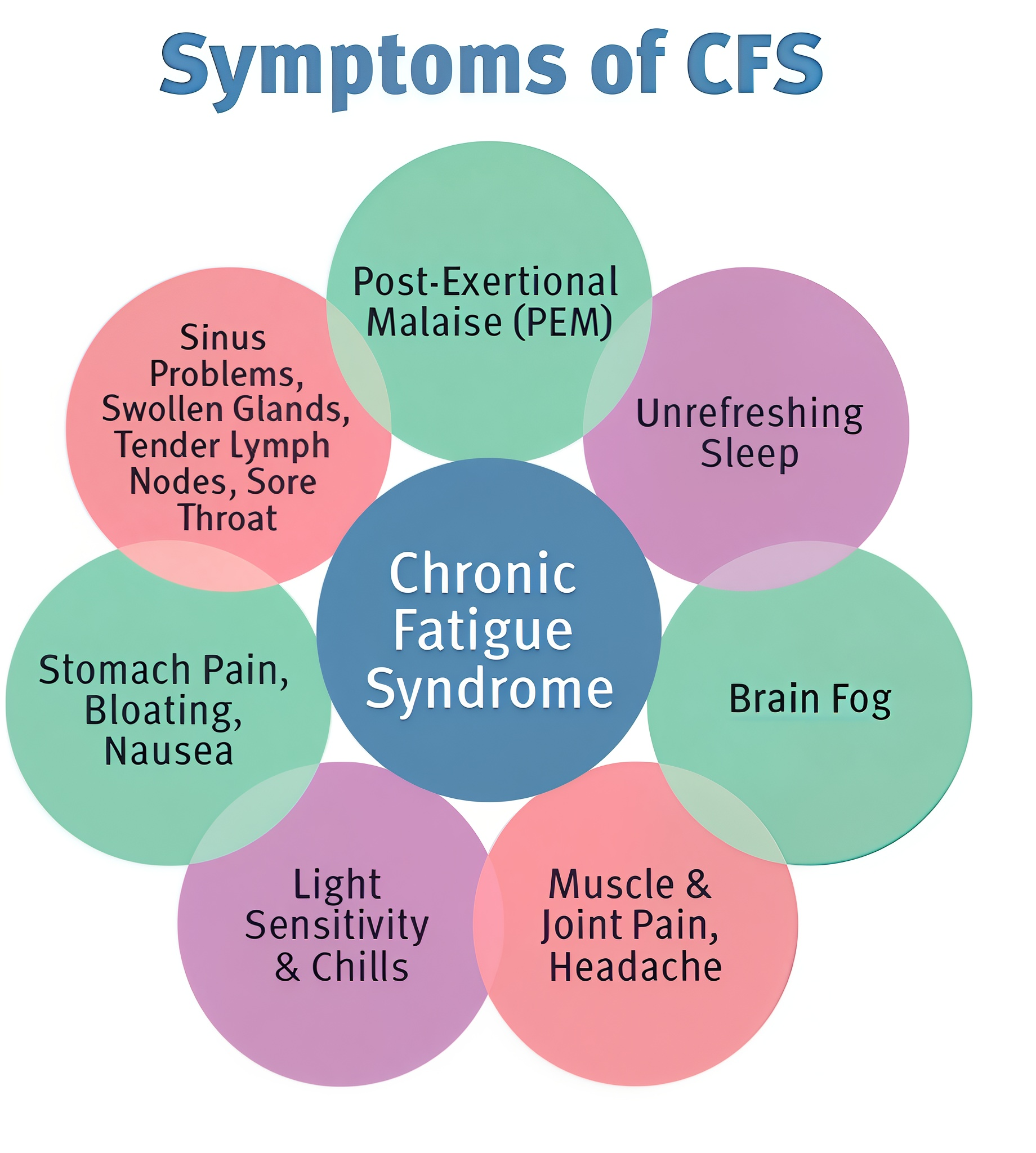
Post-exertional malaise is a hallmark symptom in which fatigue worsens after physical or mental exertion, sometimes with a delayed crash afterward. It goes beyond ordinary tiredness and can leave a person with persistent fatigue even after activities that once felt manageable.
What are common symptoms people may notice?
Common symptoms can include severe fatigue, sleep problems, brain fog, cognitive difficulties, and even a sore throat in some cases. Some people also report joint pain, showing how symptoms can vary from person to person.
What possible causes or contributing factors are considered?
A naturopathic view looks at multiple risk factors while recognizing that the exact cause remains unclear. Possible contributors can include hormonal imbalances, immune dysfunction, and bacterial infections, while environmental toxins may further aggravate low energy and recovery issues.
When is further medical evaluation important?
Further medical evaluation is important when fatigue is ongoing, severe, or accompanied by other unexplained symptoms, because issues such as sleep apnea can mimic or worsen low energy. In some cases, broader testing may include immune function review and autoimmune screening for conditions such as rheumatoid arthritis or systemic lupus erythematosus.
Why is detoxification necessary for restoring energy?
Toxic metals like copper, mercury, and lead can build up in the body and interfere with the nervous system's ability to relax. The article suggests that supporting the liver and kidneys—and specifically using sauna therapy—can help remove these toxins and clear chronic infections that drain energy.
How do mental and emotional factors influence physical fatigue?
The body is a self-correcting organism, but psychological stress can override the benefits of a nutritional program. Negative emotions such as fear, anger, and worry create "internal stress" that prevents the body from shifting into a healing state. Addressing these attitudes is considered vital for a full recovery.
What is the "Energy Pathway" mentioned in the article?
The energy pathway refers to the entire sequence required to turn food into cellular energy (ATP). This includes digestion, absorption, liver metabolism, and cellular utilization. To fix this pathway, one must ensure they have adequate digestive enzymes and nutrients while removing blockages like toxic chemicals and infections.

Dr. Michael Rudulph Maxon, AKA Johnny Delirious, Laboratory Naturopathic Doctor, gives expert advice rooted in holistic healing principles, drawing on 40 years of professional experience in the health industry. He helps his patients recover and heal using food and Ancient Greek therapies, utilizing organic remedies that are all backed by modern laboratory science. He is unquestionably the only TRUE Addiction & Hepatitis A, B, and C Recovery Pioneer. Free of mood-altering substances (cocaine) since 1991, with no viral load or antibodies of hepatitis since 1994, and no cirrhosis since 1995. Nobody in his life—including doctors, friends, and family—thought he would live past 1992; they all said he was going to die. But, Johnny chose life, not death, and learned how to heal his body, mind, and spirit by developing new protocols with natural therapies, including the thoughtful application of homeopathic remedies where appropriate. For over 20 years, he has helped many others recover, including professionals like doctors, dentists, and lawyers, who prefer alternative medicine over chemical drugs or surgery to address the same conditions that everyone said were hopeless.
Contact Johnny for a Hair Tissue Mineral Analysis (HTMA) to get the right diet, supplements, and expert advice, benefiting from his 30 years of experience in these specialized protocols.
United States - 972-825-7912
http://www.johnnydelirious.com