Bites, Cuts, Spines, and Stings: A Guide to First Aid and Holistic Recovery
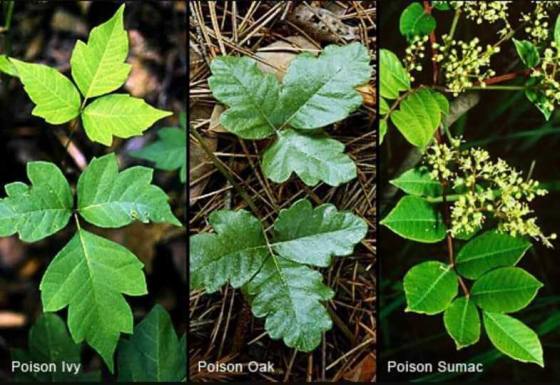
Spending time outdoors inevitably comes with the risk of minor injuries—a misplaced step leading to a cut, an encounter with a thorny plant, or an unexpected insect bite. While immediate, conventional first aid is crucial for safety and preventing infection, many individuals are now looking beyond traditional methods to embrace a more holistic healing approach, integrating proven first-aid techniques with gentle, supportive natural therapies.
This guide provides practical steps for managing common injuries, while introducing ways to incorporate alternative medicine practices into your recovery plan.
Cuts and Scrapes: Cleaning and Care
Conventional First Aid: The first rule is cleanliness. Stop any bleeding by applying direct pressure. Once the bleeding is controlled, gently wash the wound with clean water and mild soap to remove dirt and debris. Apply an antiseptic and cover with a sterile dressing. Change the dressing daily, or whenever it gets wet or dirty.
Integrating Natural Therapies: For minor cuts, certain natural therapies can aid the healing process. For example, a diluted solution of witch hazel can act as a gentle astringent and antiseptic. Furthermore, high-quality manuka honey is often used topically for its recognized antimicrobial properties. After the initial conventional care, these natural applications can support the body’s innate healing response.
Stings and Bites: Taming the Reaction
Conventional First Aid: For bee stings, remove the stinger immediately by scraping it away with a flat object (like a credit card) rather than pinching it, which can inject more venom. Clean the area. Apply a cold compress to reduce swelling and pain. Over-the-counter antihistamines can help manage allergic reactions (consult a medical professional for severe reactions).
Alternative and Homeopathic Support: For discomfort from non-life-threatening stings (like mosquitos or mild bee/wasp stings), many turn to homeopathic remedies as part of their alternative medicine toolkit. A popular homeopathic treatment for swelling, pain, and redness following a sting is Apis mellifica. For reactions involving intense pain and throbbing, Ledum palustre is often considered. These remedies are prepared in highly diluted forms and are intended to support the body’s response to the irritation and inflammation. Always consult with a qualified practitioner before using these methods, especially for severe or unknown bites.
Spines and Splinters: Painless Removal
Conventional First Aid: Small splinters or spines should be removed as soon as possible to prevent irritation and infection. Clean the area with rubbing alcohol. Use sterilized tweezers or a needle to carefully extract the foreign object, following the angle of entry. Once removed, wash the area and cover it with a bandage.
Integrating Holistic Healing: If the splinter is stubborn or embedded, applying a drawing salve or paste can sometimes help bring it to the surface overnight. Furthermore, utilizing a holistic healing perspective means addressing the anxiety and discomfort associated with the injury. A warm compress soaked in a strong infusion of calendula or chamomile can both soothe the skin and calm the individual during the removal process.
When to Seek Professional Help
While natural therapies and homeopathic remedies can be excellent supportive measures for minor injuries, it is crucial to recognize when a situation requires conventional medical attention. Seek immediate care for:
- Signs of severe allergic reaction (anaphylaxis): Swelling of the face or throat, difficulty breathing, dizziness, or a widespread rash after a bite or sting.
- Deep cuts or wounds that won't stop bleeding or may require stitches.
- Bites from wild or unknown animals where rabies is a concern.
- Signs of serious infection: Increasing redness spreading away from the wound, excessive warmth, pus, or fever.
Frequently Asked Questions About Holistic Recovery for Bites, Cuts, Spines and Stongs
How can I safely integrate homeopathic remedies with conventional first aid for stings?
You should always prioritize conventional first aid for serious symptoms (like removing a stinger, applying a cold pack, or using an epinephrine auto-injector for anaphylaxis). Homeopathic remedies are typically used as a complementary support measure for managing minor pain, swelling, and redness after conventional steps have been taken. They are generally considered safe to use alongside traditional treatments, but if you have underlying health conditions, consult a healthcare professional.
What role does alternative medicine play in preventing infection from cuts?
The primary role of alternative medicine practices in wound care is often supportive. While proper cleansing and disinfection are the first line of defense against infection, natural therapies like tea tree oil (highly diluted) or certain herbal salves (such as those containing calendula or plantain) are sometimes used to soothe the skin and create an environment that supports healing. They do not replace the need for thorough cleaning and vigilance against infection.
What does it mean to take a holistic healing approach to outdoor injuries?
A holistic healing approach means treating the injury while also considering the individual's overall well-being—mind, body, and spirit. For an outdoor injury, this might involve using conventional cleaning methods for a cut, but also using calming essential oils (aromatherapy) to reduce pain-related anxiety, applying natural therapies to support skin regeneration, and ensuring proper nutrition to fuel the body’s recovery processes.
Are there natural therapies that can help reduce scarring from deep cuts?
Yes, once a wound is fully closed and no longer actively healing, certain natural therapies are often used to address scarring. Topical treatments containing rosehip oil, vitamin E, or specific essential oils (like frankincense or lavender) are popular in alternative medicine for their moisturizing and skin-regenerating properties. Consistency is key when applying these treatments over a long period.
How do I know if I need to see a doctor versus using homeopathic remedies for a snake bite?
Always treat a snake bite, even one from a non-venomous snake, as a medical emergency requiring professional attention. Never rely solely on homeopathic remedies or alternative medicine for venomous bites. Immediate conventional treatment (such as antivenom, if required) is critical and life-saving. You should only consider complementary homeopathic remedies after seeking and receiving professional medical clearance and treatment.

Dr. Michael Rudulph Maxon, AKA Johnny Delirious, Laboratory Naturopathic Doctor, gives expert advice rooted in holistic healing principles, drawing on 40 years of professional experience in the health industry. He helps his patients recover and heal using food and Ancient Greek therapies, utilizing organic remedies that are all backed by modern laboratory science. He is unquestionably the only TRUE Addiction & Hepatitis A, B, and C Recovery Pioneer. Free of mood-altering substances (cocaine) since 1991, with no viral load or antibodies of hepatitis since 1994, and no cirrhosis since 1995. Nobody in his life—including doctors, friends, and family—thought he would live past 1992; they all said he was going to die. But, Johnny chose life, not death, and learned how to heal his body, mind, and spirit by developing new protocols with natural therapies, including the thoughtful application of homeopathic remedies where appropriate. For over 20 years, he has helped many others recover, including professionals like doctors, dentists, and lawyers, who prefer alternative medicine over chemical drugs or surgery to address the same conditions that everyone said were hopeless.
Contact Johnny for a Hair Tissue Mineral Analysis (HTMA) to get the right diet, supplements, and expert advice, benefiting from his 30 years of experience in these specialized protocols.
United States - 972-825-7912
http://www.johnnydelirious.com